
Microwave, RF & Plasma Systems
Volumetric energy transfer engineered for industrial precision — drying, curing, sterilization and surface treatment without contact, without compromise.
Energy that finds the water molecule, not the surface.
Our advanced microwave, radio frequency (RF), and atmospheric plasma systems are engineered around direct volumetric energy transfer and precise electromagnetic resonance. Rather than relying on slow convective or conductive surface heating, high-frequency electromagnetic waves penetrate directly into dielectric materials, instantly exciting polar water molecules and generating uniform internal heat throughout the entire product cross-section without thermal lag.
The thermodynamic architecture of our microwave, RF, and plasma systems incorporates advanced thermal modeling and computational fluid dynamics (CFD) to ensure optimal heat and mass transfer across the entire processing zone. By precisely controlling thermal gradients, air velocity profiles, and direct energy delivery mechanisms, the system achieves uniform treatment while preventing localized overheating, product degradation, or thermal stress. This balance of intensive heat transfer and controlled retention time ensures maximum operational throughput with minimal specific energy consumption.
Built with heavy-duty structural engineering and sanitary metallurgy, each unit is manufactured to withstand continuous 24/7 industrial operating conditions. Contact surfaces are finished in high-grade stainless steel (SS 304, SS 316L, or corrosion-resistant alloys) with sanitary mirror-polish options, CIP/SIP washdown provisions, and hermetic chamber sealing. This guarantees full compliance with stringent international hygiene, CE machinery directives, and cGMP standards across food, pharmaceutical, specialty chemical, and heavy manufacturing applications.
Proprietary control algorithms ensure strict process repeatability, while built-in safety interlocks and electromagnetic shielding comply with international CE and OSHA standards. Full process development support — including material loss tangent testing, dielectric permittivity measurements, and pilot trials at our Ambernath R&D facility — ensures the selected technology matches your exact industrial throughput goals.
Product & Systems Gallery
Photographs of precision thermal processing machinery, custom pilot trial rigs, and continuous industrial installations engineered by Kerone Engineering Solutions. Each system is fabricated at our ISO 9001:2015 certified manufacturing facilities with precision laser cutting, robotic welding, and stringent Factory Acceptance Testing (FAT).

Conveyorized Microwave System
Click to view high-res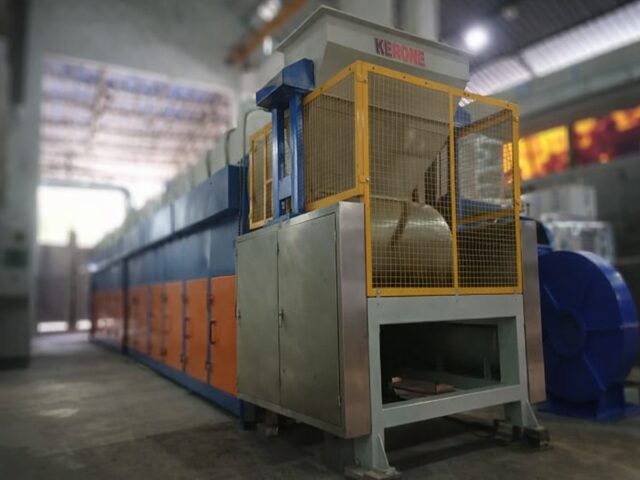
450 kW Sand Drying System
Click to view high-res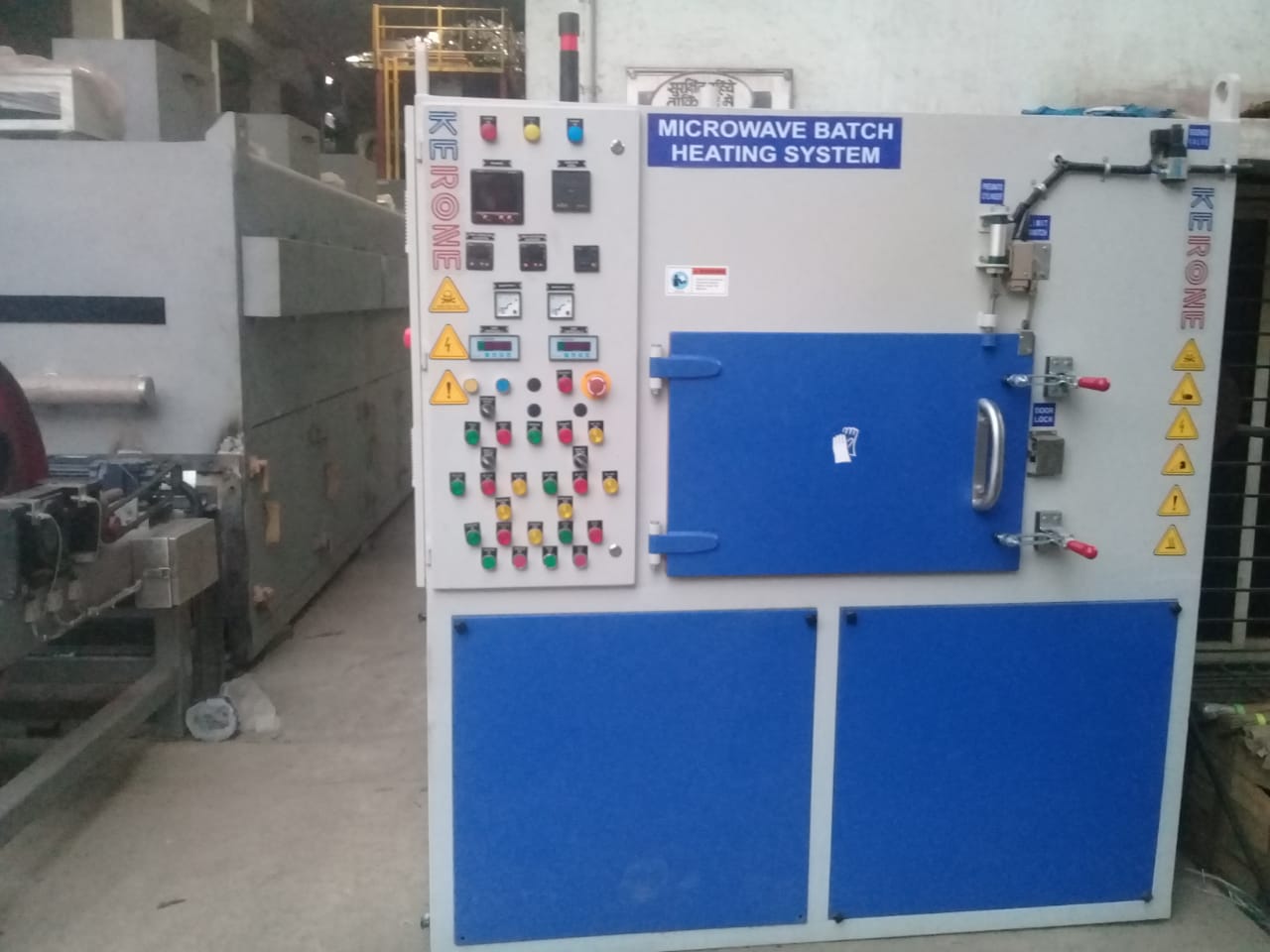
Batch Microwave Herbal System
Click to view high-res
Continuous MW Hybrid Line
Click to view high-res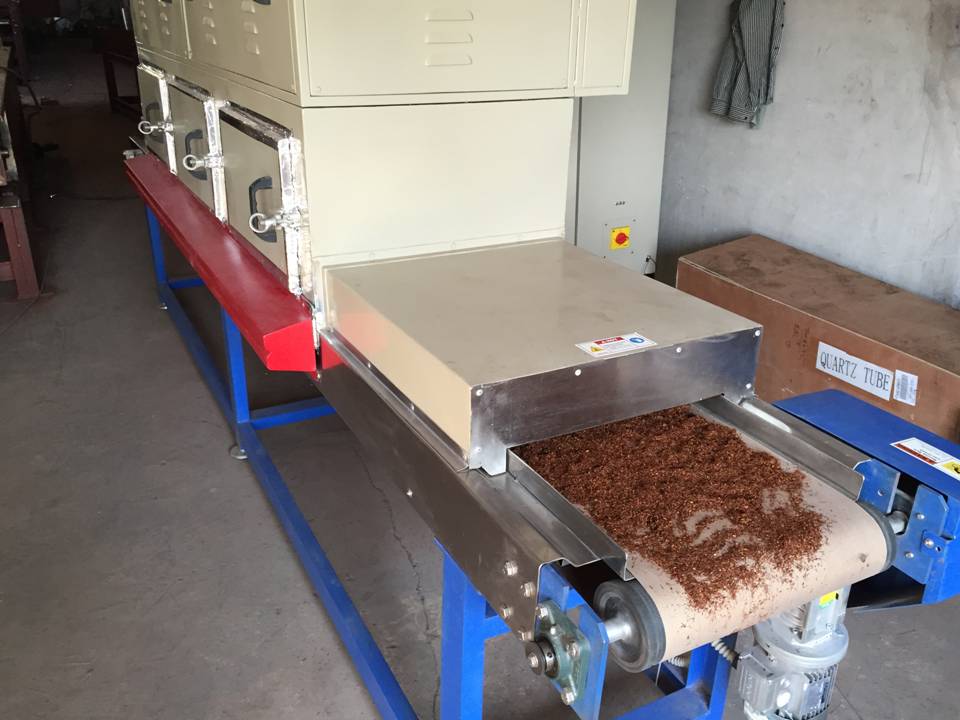
Microwave Continuous Tea Dryer
Click to view high-res
Microwave Wood & Timber Dryer
Click to view high-res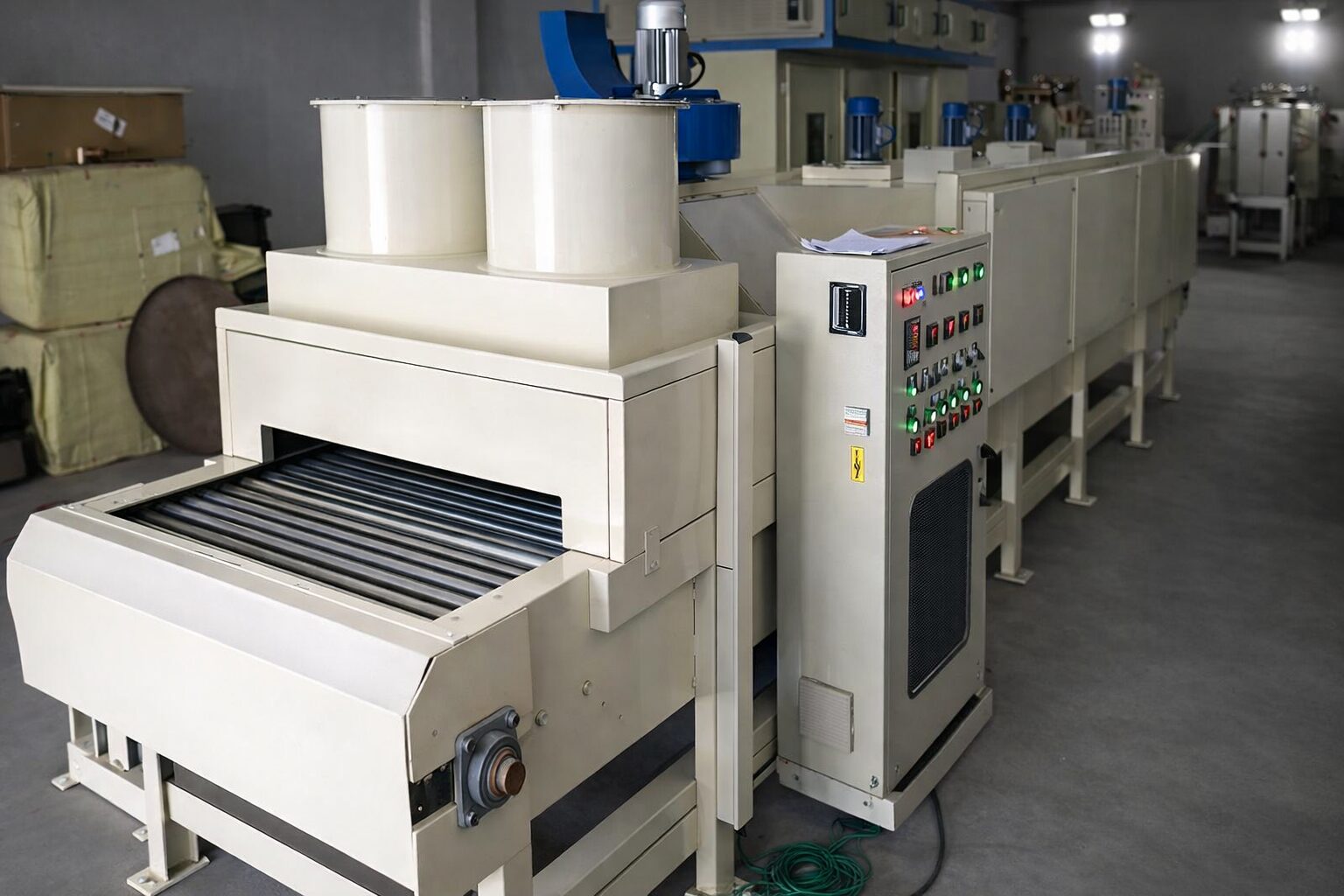
Radio Frequency (RF) System
Click to view high-res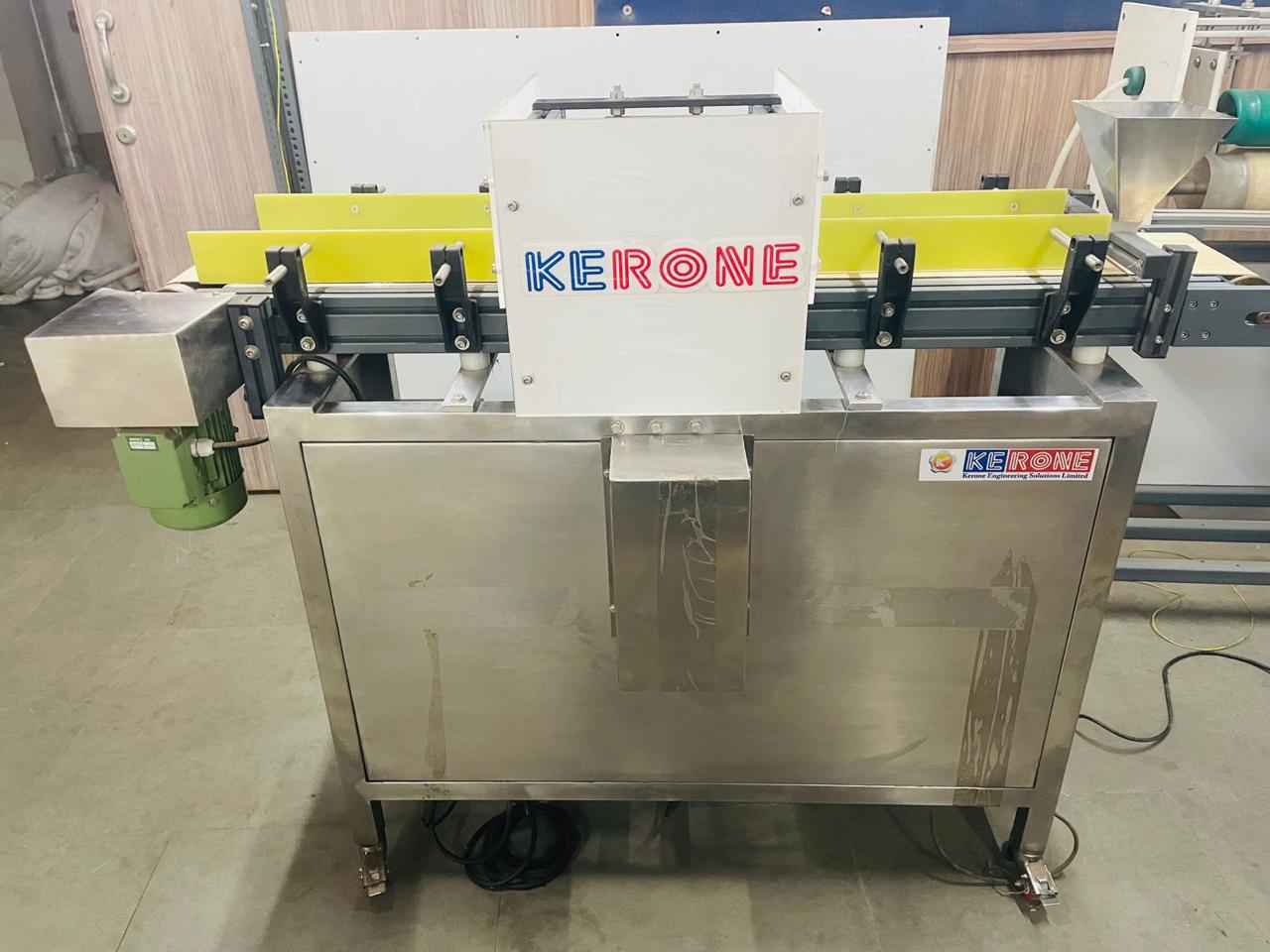
Cold Plasma Sterilization System
Click to view high-res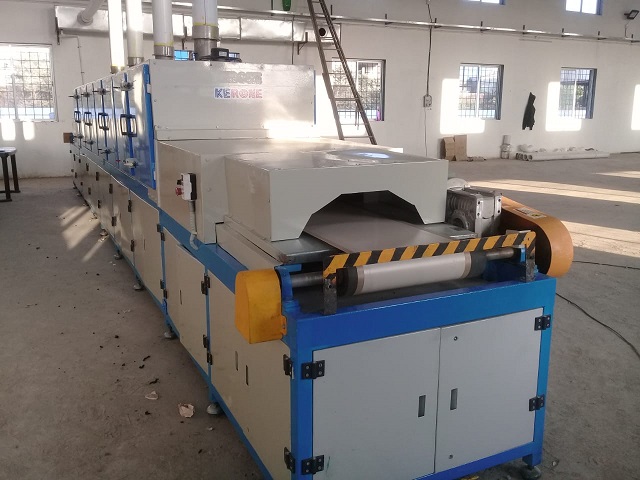
Microwave Stalk & Biomass Dryer
Click to view high-res
Continuous MW Hybrid Line (Series II)
Click to view high-res
High-Capacity MW Hybrid Tunnel
Click to view high-res
Industrial Microwave Heating Chamber
Click to view high-res
MW Hybrid Processing Platform
Click to view high-res
450 kW Continuous Sand Curing Plant
Click to view high-res
Microwave & RF Hybrid System
Click to view high-res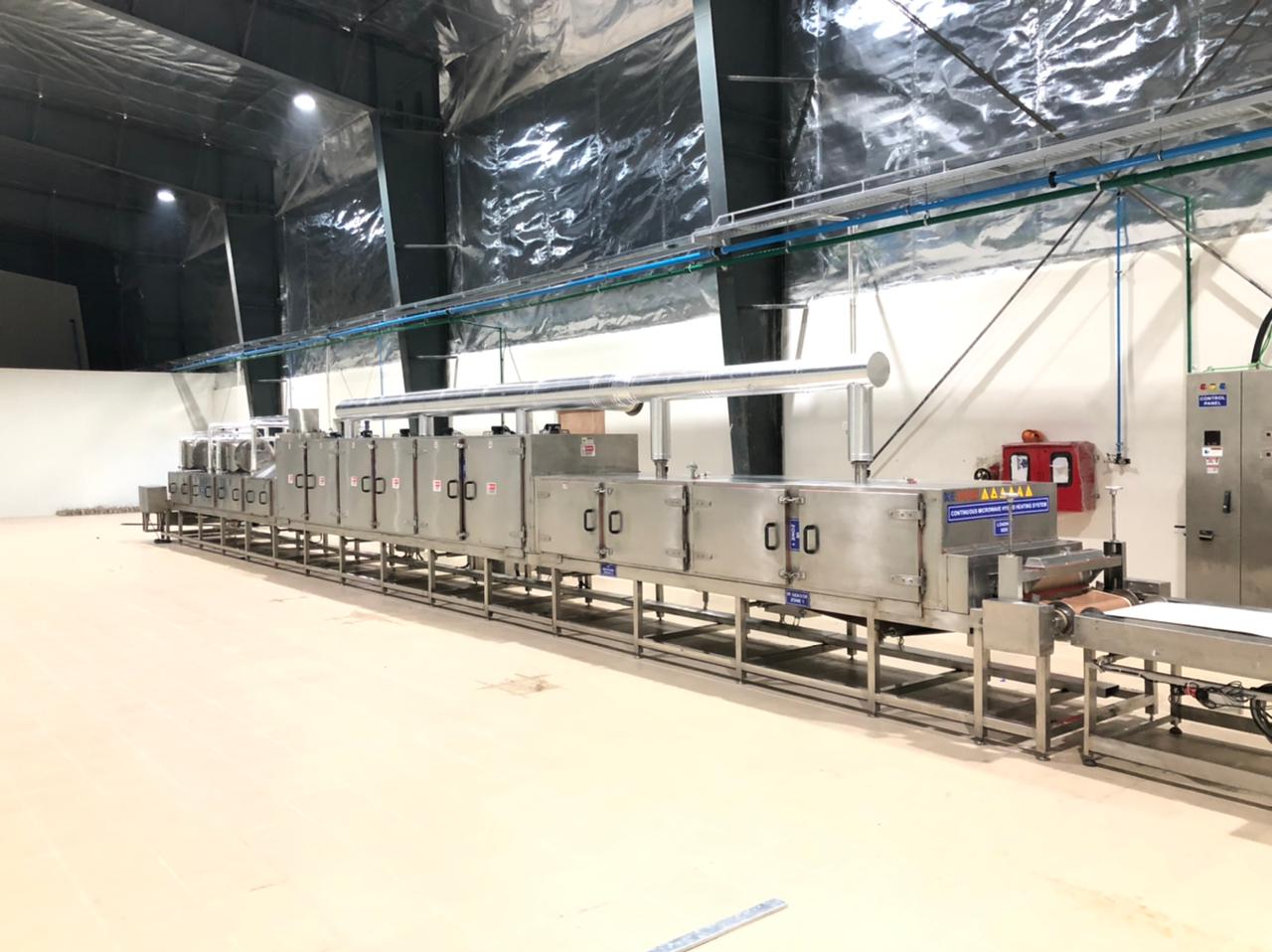
Microwave Vacuum Dryer
Click to view high-res50+ Years of Thermal Engineering Leadership.
Since 1976, Kerone Engineering Solutions has delivered over 5,000 custom-engineered thermal and process installations across 50+ countries. In technical collaboration with premier global institutions like CSIR-CEERI and University of Nottingham research partnerships, we design and manufacture high-efficiency machinery that minimizes production downtime and cuts operating expenses.
Unlike standard off-the-shelf equipment suppliers, Kerone operates a complete pilot-scale testing facility at our KRDC Ambernath center. We validate your exact raw material properties — determining moisture sorption isotherms, specific heat capacity, and dielectric behavior — before finalizing equipment sizing, ensuring zero risk during industrial scale-up.
Engineering precision, built into every system.
Volumetric Heating
Rapid, uniform material processing across the full cross-section — not just the surface.
Integrated Safety Systems
Leakage detection and interlock mechanisms built to international compliance standards.
Precise Power Control
Application-specific frequency and energy delivery, tuned to your exact process window.
High Energy Conversion
Significantly more efficient than conventional thermal methods, lowering operating cost.
Compact, Inline-Ready
Suitable for inline or batch production without disrupting existing facility layout.
Real-Time Adaptive Power
Dielectric property measurement adjusts power delivery dynamically mid-process.
Powered by AI, Machine Learning & Smart IoT Integration
Kerone integrates high-speed edge computing, non-contact infrared pyrometry, and proprietary closed-loop machine learning algorithms to dynamically modulate power output, prevent thermal hotspotting, and eliminate unplanned equipment downtime.
Adaptive Heat Modulation
Neural algorithms detect material thermal variations in real time (<50ms response) and tune generator frequency and power arrays automatically.
IoT Cloud Telemetry
Continuous bidirectional telemetry stream via MQTT/OPC-UA protocols directly to centralized plant SCADA, MES, or mobile engineer dashboards.
Predictive Maintenance
Monitors magnetron cathode current, vibration frequency signatures, and differential filter pressure to schedule AMC maintenance before failures occur.
Quality & Batch Traceability
Automated digital recipe execution, multi-stage temperature ramp/soak curves, and cryptographically signed electronic batch logs compliant with 21 CFR Part 11.
Engineered for high-value industrial sectors
Food & Agro Processing
Sterilization, rapid drying, roasting & nut processing without nutrient loss.
Pharmaceuticals
Granulate drying, active ingredient extraction & low-temp sterilization.
Chemicals & Powders
Volumetric moisture removal in fine powders and sensitive compounds.
Rubber & Polymers
Preheating rubber moulds, tyre preheating & continuous vulcanization.
Textiles & Fibers
Fast yarn drying, fabric curing & continuous moisture balancing.
Waste & Environment
Bio-medical waste disinfection & Black Soldier Fly (BSF) larvae drying.
Configured to your process window.
Frequently Asked Questions
Microwave heating systems operate at higher frequencies (typically 915 MHz or 2450 MHz) and are ideal for volumetric heating and fast moisture removal in surface and thin-to-moderate layer applications. Radio Frequency (RF) heating systems operate at lower frequencies (typically 13.56 MHz or 27.12 MHz), providing deeper electromagnetic penetration that enables uniform volumetric heating and curing throughout thick, dense, or geometrically large materials.
Yes. Every Kerone microwave and RF heating installation incorporates multi-stage safety engineering: heavy-gauge precision-welded electromagnetic attenuation chambers, redundant safety interlocks on all access doors, continuous stray RF/microwave leakage suppression tunnels (chokes), and automatic shutdown circuitry fully compliant with international CE, OSHA, and IEEE safety standards. Stray radiation levels around the exterior of our systems are maintained well below standard permissible exposure limits.
Plasma surface treatment is exceptionally versatile and modifies surfaces at the molecular level without thermal degradation. Commonly treated materials include low-surface-energy polymers and plastics (PP, PE, PEEK, PTFE, POM, silicone), metals (aluminum, stainless steel, copper for oxide eradication and priming), technical ceramics, glass and optical substrates, natural and synthetic textile fibers, composites, and heat-sensitive packaging films and medical devices requiring chemical-free sterilization or enhanced wettability.
Yes. Kerone specializes in custom process retrofitting and engineering. We design inline conveyor tunnels, batch chambers, and hybrid modules with custom belt dimensions, variable throughput speeds, modular flange connections, and PLC/SCADA integration that seamlessly interface with upstream feeders/preheaters and downstream cooling or packaging machinery without requiring a full facility overhaul.
Because microwave and RF energy couples directly with polar molecules (such as water or resin binders) within the material rather than heating massive ambient air volumes, refractory linings, or conveyor structures, energy transfer efficiency is exceptionally high. In industrial operations, switching to Kerone's dielectric heating systems typically delivers 40% to 60% reductions in energy consumption compared to conventional fossil-fuel or hot-air convective dryers.
Yes. Kerone maintains an advanced R&D and pilot trial testing laboratory at our Ambernath (Mumbai) facility equipped with multi-frequency microwave test chambers, RF drying units, and atmospheric plasma treaters. Clients can send raw material samples to evaluate heating kinetics, validate moisture reduction curves, assess post-treatment quality, and accurately size power requirements prior to commercial-scale fabrication.
Kerone manufactures diverse plasma system architectures tailored to specific industrial requirements, including Atmospheric Pressure Cold Plasma (Dielectric Barrier Discharge - DBD and Corona Discharge), Microwave Air Jet Plasma torches for localized surface functionalization, Low-Pressure Vacuum Plasma chambers for high-precision batch processing, and Microwave Chemical Vapour Deposition (MW-CVD) plasma systems for advanced coatings and synthetic diamond growth.
Yes. Kerone systems feature advanced industrial automation powered by Allen-Bradley, Siemens, or Schneider PLCs paired with high-definition HMI touchscreens. Systems offer remote telemetry, IoT-enabled process tracking, Ethernet/IP and Modbus communication, real-time power modulation, and continuous cloud logging of thermal profiles, moisture levels, and magnetron operating diagnostics.
Microwave drying uses high-frequency electromagnetic radiation (2450 MHz or 915 MHz) that penetrates deep into the moist material. Polar water molecules inside the substance rapidly re-align with the alternating electromagnetic field millions of times per second. This intermolecular friction generates instantaneous volumetric internal heat, driving moisture vapor outward through natural pores without creating surface case hardening or burning.
Radio Frequency (RF) drying operates by placing the product between high-frequency capacitive electrode plates energized at 27.12 MHz or 13.56 MHz. The alternating electric field directly excites dipolar water molecules throughout the entire thickness of the material. Because wet areas have a much higher dielectric loss factor than dry areas, RF energy selectively concentrates where moisture is highest—delivering self-leveling moisture profiles across thick solids without over-drying already dry sections.
Uniformity is achieved through engineered computational cavity geometry, multimode electromagnetic distribution, motorized mode stirrers, multi-axis product rotation or continuous conveyor motion, and phased power arrays. In RF systems, precision capacitive electrode contouring and automatic impedance-matching networks ensure even voltage distribution across the load cross-section, eliminating localized cold and hot spots.
Continuous conveyorized microwave systems provide high-throughput uninterrupted processing, shorter residence times (reducing drying cycles from hours to minutes), consistent inline moisture leveling, automated variable belt speed control, automated load tracking, closed-loop feedback temperature regulation, lower labor requirements, and significantly smaller factory floor footprint compared to conventional long convective drying tunnels.
These systems provide major advantages across food & agriculture (rapid drying of herbs, spices, grains, tea, and microbial pasteurization), pharmaceuticals (low-temperature vacuum drying of active ingredients and extracts), chemicals & minerals (sand curing, pigment drying, ceramic binder burnout), rubber & polymers (profile preheating and continuous vulcanization), textiles (yarn and web drying), wood/timber seasoning, and advanced electronics (plasma surface activation, etching, and thin-film deposition).
Kerone engineers systems covering a comprehensive power envelope:
• Laboratory & Pilot Scale Units: 1 kW to 10 kW for research facilities and small batch trials.
• Industrial Microwave Production Systems: 10 kW to 200+ kW continuous multi-generator tunnels with modular magnetron architectures.
• Industrial Radio Frequency (RF) Units: 5 kW to 300+ kW high-power triode and solid-state generator configurations engineered for heavy continuous manufacturing.
Microwave and RF systems deliver volumetric thermal energy throughout the bulk cross-section of a material for drying, curing, heating, and pasteurization. In contrast, plasma surface treatment is a non-thermal, surface-specific process that uses ionized gas species (ions, electrons, free radicals, and UV photons) to clean, activate, cross-link, or chemically functionalize only the outermost nanometer layers of a material. Plasma changes wettability, adhesion, and bonding properties without altering the bulk mechanical or thermal characteristics of the substrate.
Let’s Engineer the Right Process.
From application trials to full-scale production systems, our engineering team works with you to develop the right thermal processing solution for your material, throughput, and production requirements.