Biochar & Sustainable Processing Lines
Kerone’s Biochar & Sustainable Processing Lines represent its commitment to green industrial solutions that convert organic waste streams into valuable, carbon-negative products.
Engineered precision for Biochar & Sustainable Processing Lines.
Kerone’s Biochar & Sustainable Processing Lines represent its commitment to green industrial solutions that convert organic waste streams into valuable, carbon-negative products. Biochar production through pyrolysis of agricultural residues, wood waste, sewage sludge, and other biomass materials offers a powerful pathway to carbon sequestration, soil improvement, and renewable energy generation.
Kerone engineers fully integrated biochar production systems that include biomass preparation, pyrolysis reactors, syngas management, biochar cooling and handling, and quality testing, all within a closed-loop, low-emission processing environment. These systems are designed for scalability—from small farm-level units to large commercial biochar facilities.
Our advanced AI, ML, and IoT technologies, this solution delivers smarter automation, real-time insights, and predictive intelligence to enhance efficiency and drive future-ready growth.
Continuous tracking of process parameters with instant adjustments.
Intelligent fault detection to prevent failures before they occur.
Dynamic tuning of operations for maximum output and efficiency.
The thermodynamic architecture of our Biochar & Sustainable Processing Lines incorporates advanced thermal modeling and computational fluid dynamics (CFD) to ensure optimal heat and mass transfer across the entire processing zone. By precisely controlling thermal gradients, air velocity profiles, and direct energy delivery mechanisms, the system achieves uniform treatment while preventing localized overheating, product degradation, or thermal stress. This balance of intensive heat transfer and controlled retention time ensures maximum operational throughput with minimal specific energy consumption.
Built with heavy-duty structural engineering and sanitary metallurgy, each unit is manufactured to withstand continuous 24/7 industrial operating conditions. Contact surfaces are finished in high-grade stainless steel (SS 304, SS 316L, or corrosion-resistant alloys) with sanitary mirror-polish options, CIP/SIP washdown provisions, and hermetic chamber sealing. This guarantees full compliance with stringent international hygiene, CE machinery directives, and cGMP standards across food, pharmaceutical, specialty chemical, and heavy manufacturing applications.
Proprietary control algorithms ensure strict process repeatability, while built-in safety interlocks and electromagnetic shielding comply with international CE and OSHA standards. Full process development support — including material loss tangent testing, moisture sorption isotherms, and pilot trials at our Ambernath R&D facility — ensures the selected technology matches your exact industrial throughput goals.
Product & Systems Gallery
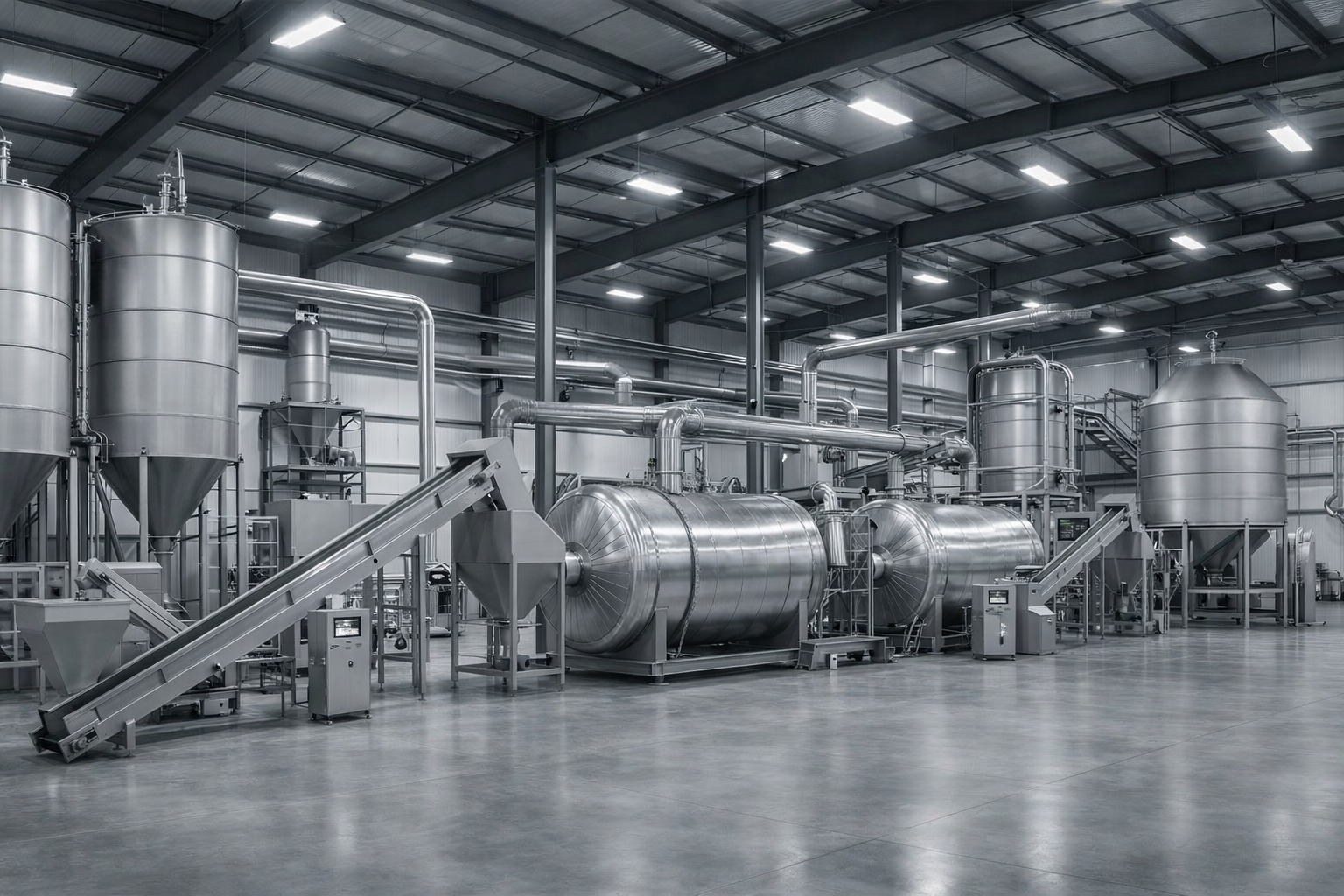
Explore authentic high-resolution photographs of industrial machinery, pilot trial rigs, and continuous turnkey processing installations engineered by Kerone Engineering Solutions for Biochar & Sustainable Processing Lines. Each system is fabricated at our ISO 9001:2015 certified manufacturing facilities with precision laser cutting, robotic welding, and stringent Factory Acceptance Testing (FAT).
Biochar & Sustainable Processing Lines
Click to view high-res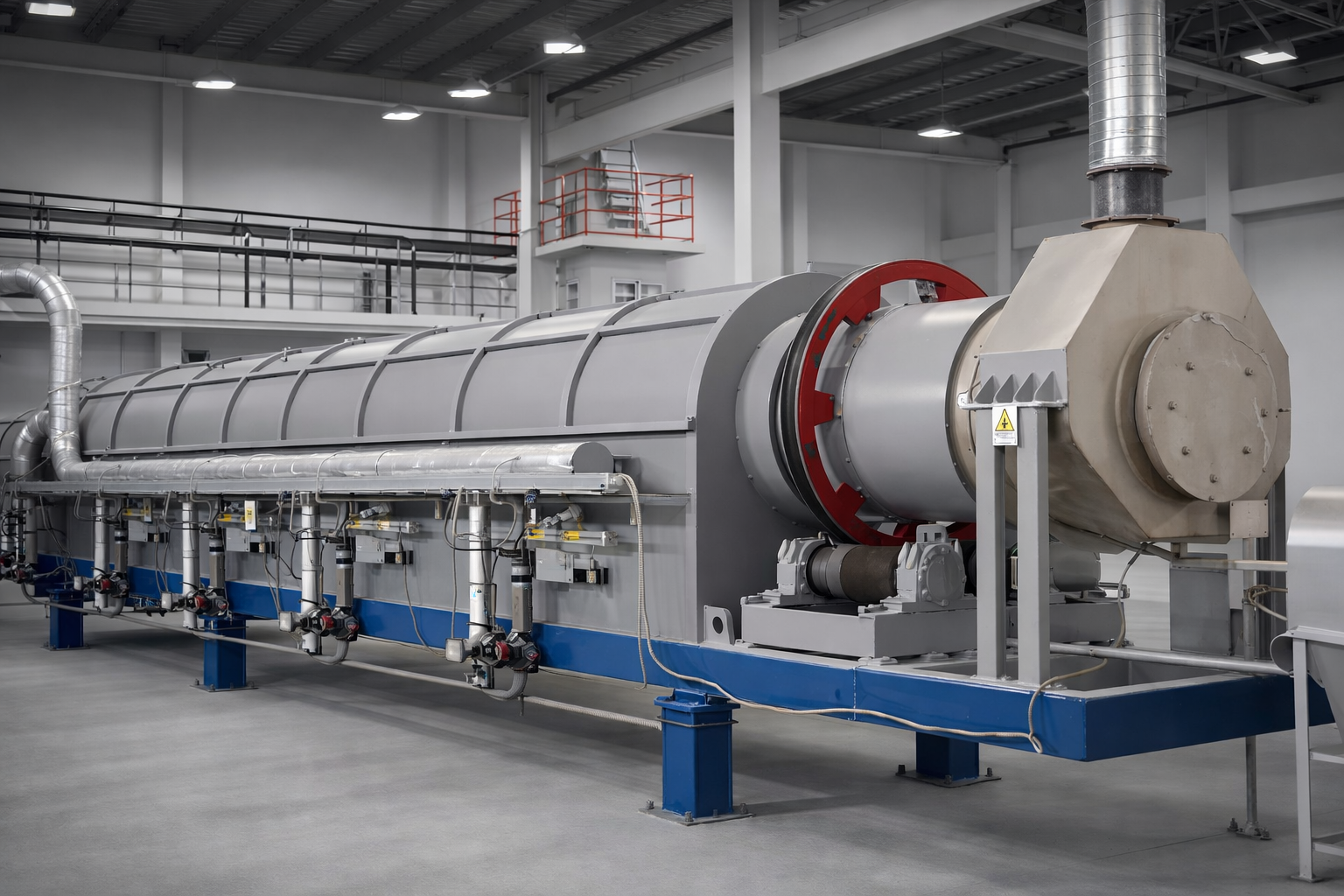
Biochar & Sustainable Processing Lines
Click to view high-res
Biochar & Sustainable Processing Lines
Click to view high-res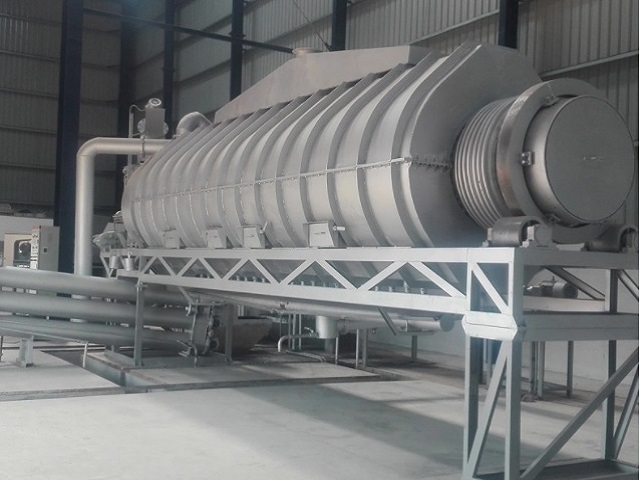
Biochar & Sustainable Processing Lines
Click to view high-res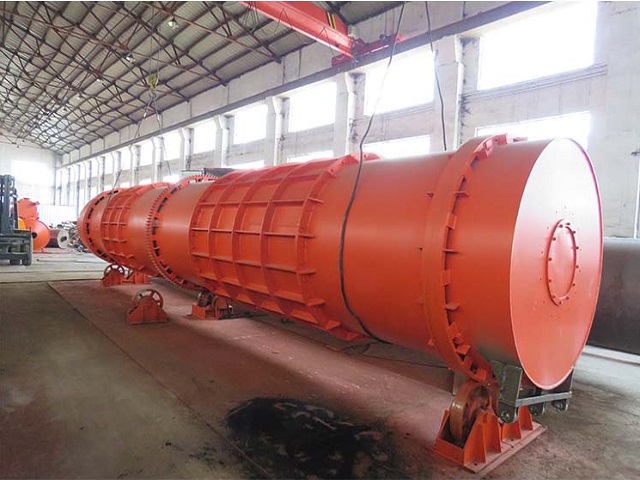
Biochar & Sustainable Processing Lines
Click to view high-res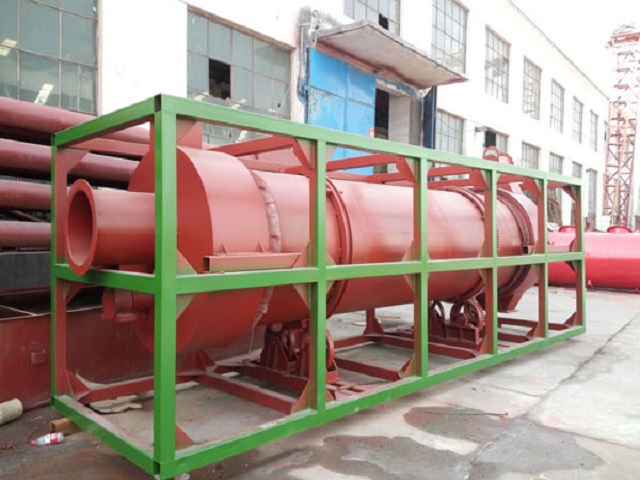
Biochar & Sustainable Processing Lines
Click to view high-res
Biochar & Sustainable Processing Lines
Click to view high-res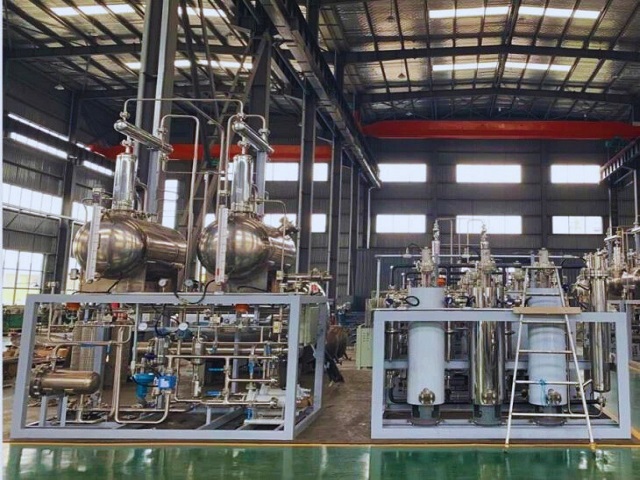
Biochar & Sustainable Processing Lines
Click to view high-res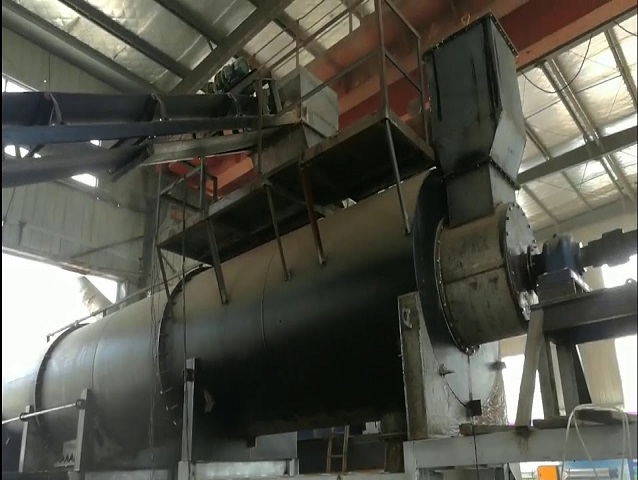
Biochar & Sustainable Processing Lines
Click to view high-res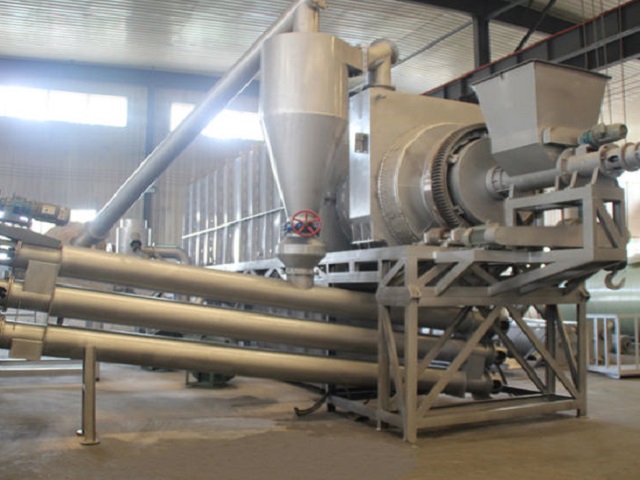
Biochar & Sustainable Processing Lines
Click to view high-res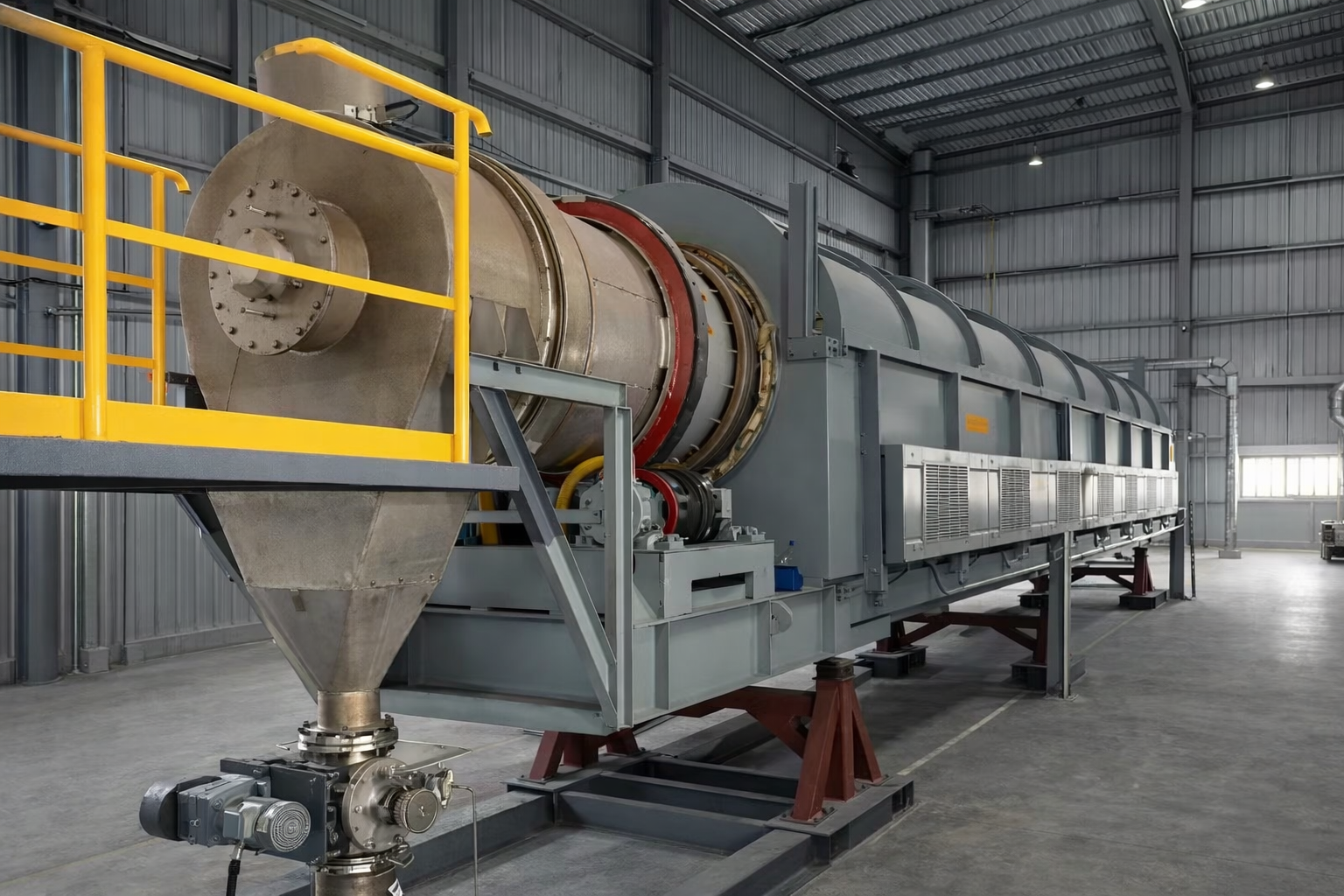
Biochar & Sustainable Processing Lines
Click to view high-res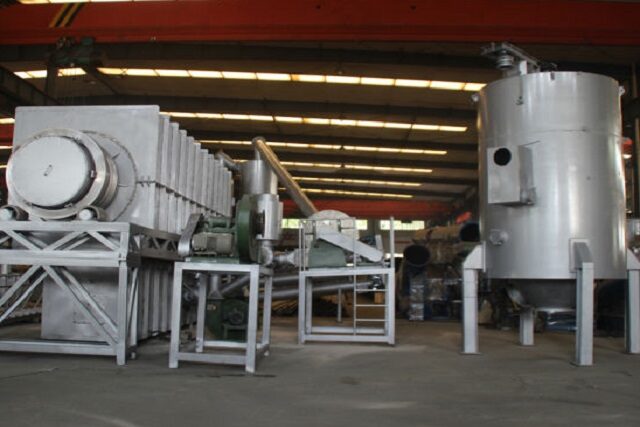
Biochar & Sustainable Processing Lines
Click to view high-res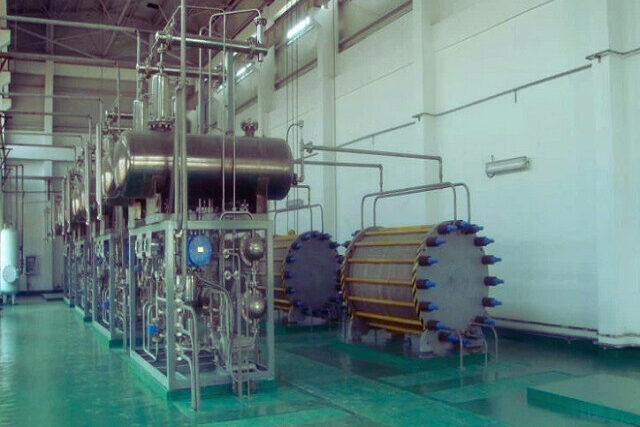
Biochar & Sustainable Processing Lines
Click to view high-res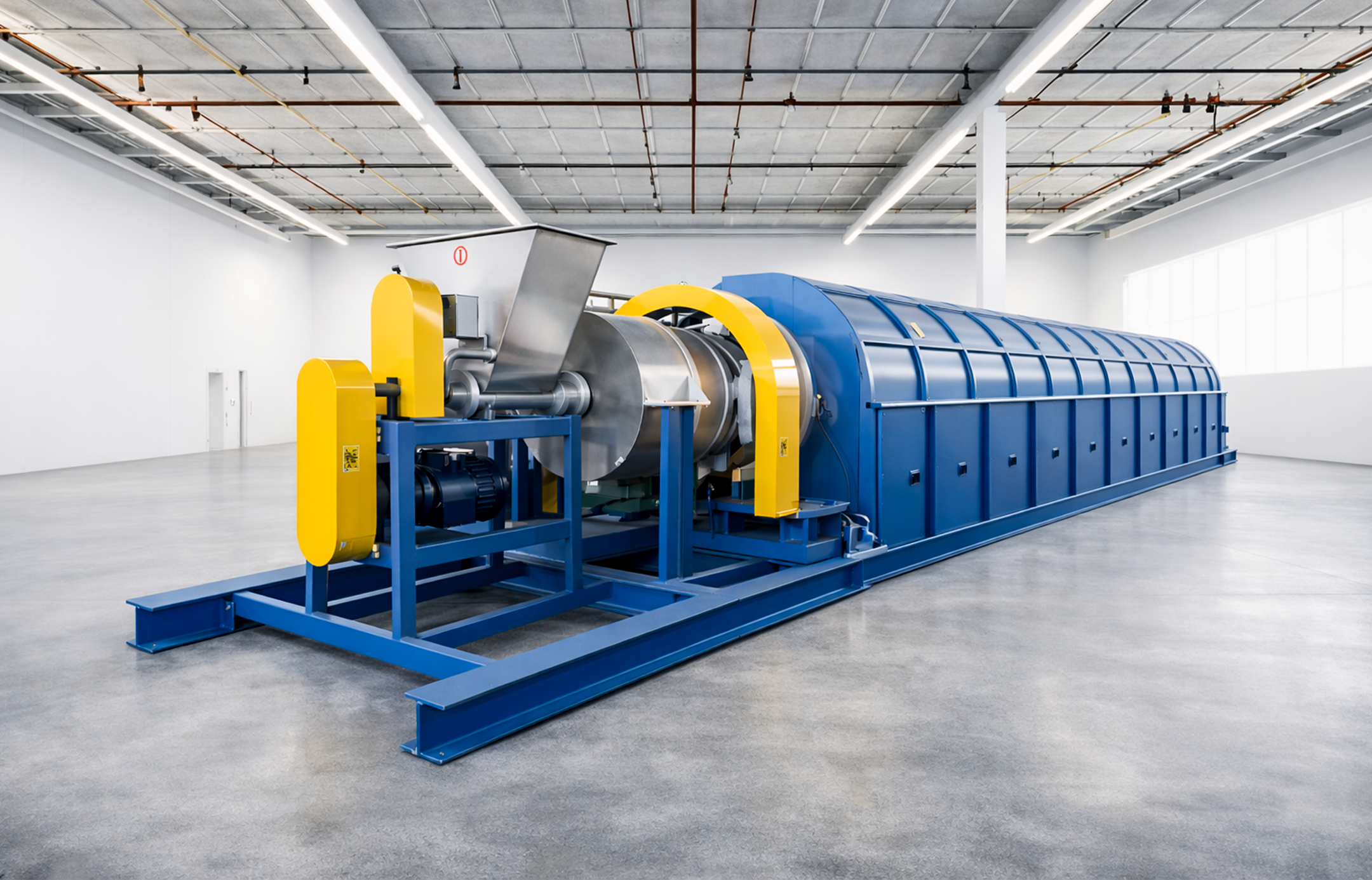
Biochar & Sustainable Processing Lines
Click to view high-res50+ Years of Thermal Engineering Leadership.
Since 1976, Kerone Engineering Solutions has delivered over 5,000 custom-engineered thermal and process installations across 50+ countries. In technical collaboration with premier global institutions like CSIR-CEERI and University of Nottingham research partnerships, we design and manufacture high-efficiency machinery that minimizes production downtime and cuts operating expenses.
Unlike standard off-the-shelf equipment suppliers, Kerone operates a complete pilot-scale testing facility at our KRDC Ambernath center. We validate your exact raw material properties — determining moisture sorption isotherms, specific heat capacity, and dielectric behavior — before finalizing equipment sizing, ensuring zero risk during industrial scale-up.
Engineering precision, built into every system.
High Biochar Yield
High biochar yield with precise temperature and residence time control in the pyrolysis reactor
Closed-loop Syngas Recirculation
Closed-loop syngas recirculation system for energy-neutral or energy-positive operation
Compliance
Compliance with international biochar quality standards such as EBC (European Biochar Certificate)
Carbon-negative Process Design
Carbon-negative process design with comprehensive carbon accounting and credit documentation support
Commercial Scale
Modular system design allowing easy capacity expansion from pilot to commercial scale
Multi-feedstock Capability
Multi-feedstock capability for agricultural residues, forestry waste, sewage sludge, and food waste
Low-emission Operations
Low-emission operations with integrated gas scrubbing and particulate control systems
Fully Automated Operation
Fully automated operation with minimal operator intervention and real-time process data logging
Powered by AI, Machine Learning & Smart IoT Integration
Modern industrial processing requires unprecedented thermal precision, energy efficiency, and operational agility. Kerone equips each system with high-speed industrial edge computing controllers, multi-spectral non-contact infrared pyrometry, and proprietary closed-loop machine learning algorithms that continuously analyze process parameters in real time.
The intelligent automation stack monitors dynamic changes in incoming material load, bed thickness, moisture content, and environmental factors. In response, our algorithms dynamically adjust heater power arrays, generator frequency, conveyor drive velocities, and exhaust dampers within milliseconds — entirely eliminating product burn, under-processing, or thermal hotspotting.
Seamlessly integrated with factory-wide SCADA and enterprise ERP architectures via native MQTT, OPC-UA, and Modbus TCP protocols, our systems deliver complete digital recipe control, remote diagnostics, predictive maintenance alerting, and tamper-evident batch logs compliant with global FDA 21 CFR Part 11 and cGMP standards.
Adaptive Heat Modulation
Neural algorithms detect material thermal variations in real time (<50ms response) and tune generator frequency and power arrays automatically.
IoT Cloud Telemetry
Continuous bidirectional telemetry stream via MQTT/OPC-UA protocols directly to centralized plant SCADA, MES, or mobile engineer dashboards.
Predictive Maintenance
Monitors magnetron cathode current, vibration frequency signatures, and differential filter pressure to schedule AMC maintenance before failures occur.
Quality & Batch Traceability
Automated digital recipe execution, multi-stage temperature ramp/soak curves, and cryptographically signed electronic batch logs compliant with 21 CFR Part 11.
Engineered for High-Value Industrial Sectors
Tailored thermal and process configurations across continuous manufacturing lines.
Agricultural biochar production for...
Agricultural biochar production for soil amendment, carbon sequestration, and crop yield enhancement
Sewage sludge and municipal solid w...
Sewage sludge and municipal solid waste carbonization for volume reduction and energy recovery
Forestry and wood waste valorizatio...
Forestry and wood waste valorization into biochar and activated carbon products
Biochar
based water and air filtration media production for environmental remediation
Carbon credit generation and carbon...
Carbon credit generation and carbon trading programs through verified biochar sequestration
Co
production of syngas and bio: oil for renewable energy generation alongside biochar
Configured to Your Process Window
Technical parameter envelopes across industrial manufacturing and engineering architectures.
Frequently Asked Questions
Engineering answers regarding equipment sizing, integration, and process performance.
Kerone's systems can process a wide range of feedstocks including agricultural residues (rice husk, straw, bagasse), wood chips, sawdust, sewage sludge, food waste, and municipal solid waste.
Biochar production typically occurs at pyrolysis temperatures between 350°C and 700°C, with specific temperatures selected based on feedstock type and desired biochar properties.
Yes, Kerone's systems include syngas recirculation for process heat generation, and can also be configured with gas engines or turbines for co-generation of electricity.
Kerone designs its biochar production systems to meet the quality criteria of the European Biochar Certificate (EBC) and International Biochar Initiative (IBI) standards.
Biochar is a stable form of carbon that resists decomposition for hundreds to thousands of years when applied to soil, effectively locking atmospheric CO2 out of the carbon cycle.
Yes, verified biochar carbon removal credits can be registered and sold through established carbon markets. Kerone provides documentation support for carbon credit applications.
Kerone offers systems ranging from small farm-scale units processing 100 kg/day to large commercial facilities processing several tonnes per hour.
Kerone integrates syngas afterburners, thermal oxidizers, cyclones, and wet scrubbers to ensure emissions from the pyrolysis process meet applicable environmental regulations.
Industrial biochar production involves the thermochemical decomposition of organic biomass such as wood chips, agricultural residues, or sewage sludge at temperatures between 350°C and 700°C in an oxygen-limited environment. Kerone's biochar production systems use continuous rotary kilns or fixed-bed reactors with precise temperature and residence time control to maximize biochar yield and quality. The syngas by-product can be recycled as fuel, making the process energy-neutral or even energy-positive. Biochar quality is characterized by surface area, porosity, pH, carbon content, and ash composition.
Efficient waste-to-biochar conversion requires feedstock pre-treatment (sizing, drying to <15% moisture), optimal reactor temperature selection (500–600°C for high-quality biochar), and effective syngas management. Kerone's waste-to-biochar systems are pre-engineered to handle diverse feedstocks, with integrated drying pre-treatment, controlled-atmosphere reactors, and syngas combustion chambers for heat recovery. Feedstock moisture content is the single most critical factor; wet feedstocks dramatically reduce efficiency. Kerone's lab-scale pilot trials allow optimization before full-scale investment.
Agricultural waste including rice husks, sugarcane bagasse, wheat straw, corn cobs, and coconut shells is an abundant and cost-effective feedstock for biochar production. Kerone's agricultural waste biochar systems are sized for farm-scale to industrial-scale operations, with robust feeding systems designed for variable particle sizes. Biochar from agricultural waste typically has high silica content (especially rice husk biochar) and is widely used for soil amendment, water filtration, and as a carbon sequestration material. Kerone also provides turnkey systems with biomass pre-processing and biochar cooling and packaging.
The best waste-to-energy conversion technology depends on the waste type, moisture content, scale, and desired output (heat, electricity, fuel, or biochar). For dry organic waste and biomass, pyrolysis and gasification are highly efficient and produce valuable by-products. For mixed municipal solid waste, combustion with energy recovery (CHP) is most established. For wet organic waste, anaerobic digestion (biogas) may be preferred. Kerone specializes in pyrolysis-based waste-to-energy systems, offering complete solutions from waste pre-treatment and drying through reactor design to gas cleaning and energy utilization.
Biochar has a wide range of applications spanning agriculture and industry. In agriculture, it is used as a soil amendment to improve water retention, enhance microbial activity, increase crop yields, and sequester carbon. In industry, biochar is used as an activated carbon precursor, a filter media for water and gas treatment, a rubber and polymer additive, a construction material additive, and an electrode material for energy storage. Kerone's biochar production systems are designed to produce application-specific biochar qualities, with customized activation and sizing steps available for high-value applications.
Kerone's biochar and sustainable processing systems are designed to directly support corporate ESG (Environmental, Social, and Governance) commitments and sustainability reporting frameworks such as GRI, CDP, and Science Based Targets initiative (SBTi). On the environmental side, biochar production sequesters carbon in a stable solid form for hundreds to thousands of years, each tonne of biochar produced represents approximately 2.5–3 tonnes of CO₂ equivalent permanently removed from the carbon cycle, a verifiable, auditable carbon removal credit. Kerone's systems also divert organic waste from landfills, reduce methane emissions from decomposing biomass, and generate clean energy from syngas, all of which contribute to measurable Scope 1 and Scope 3 emission reductions. The systems are engineered to operate with near-zero stack emissions through integrated afterburners, condensate management, and particulate filtration. Kerone provides detailed mass and energy balance documentation and process data logging to support third-party verification and ESG audit requirements, making it straightforward for customers to include biochar operations in sustainability disclosures and annual reports.
Kerone's pyrolysis-based biochar production systems generate three valuable co-products alongside biochar, each of which can be monetized or utilized to improve overall system economics. Syngas (pyrolysis gas), primarily composed of CO, H₂, CH₄, and CO₂, is recovered and combusted in an integrated burner to supply the thermal energy needed by the reactor itself. In well-optimised systems this makes the process thermally self-sufficient, eliminating or significantly reducing external fuel costs. Pyrolysis oil (bio-oil), condensed from the vapor fraction, can be used as a substitute for heavy fuel oil in industrial boilers or further refined into bio-based chemicals and fuels. Process heat recovered from the system's hot exhaust gases can be directed to pre-dry incoming wet feedstock or supply heat to adjacent processes such as space heating or hot water generation. Kerone's engineering team designs the energy integration between all three co-product streams during system engineering, ensuring maximum resource utilization and the lowest possible operating cost per tonne of biochar produced.

Let’s Engineer the Right Process.
From application trials to full-scale production systems, our engineering team works with you to develop the right thermal processing solution for your material, throughput, and production requirements.