
Coating & Surface Engineering Plants
Kerone’s Coating & Surface Engineering Plants offer sophisticated, technology-driven solutions for applying functional, protective, and aesthetic surface treatments to a wide range of industrial substrates.
Engineered precision for Coating & Surface Engineering Plants.
Kerone’s Coating & Surface Engineering Plants offer sophisticated, technology-driven solutions for applying functional, protective, and aesthetic surface treatments to a wide range of industrial substrates. These plants encompass physical vapor deposition (PVD), chemical vapor deposition (CVD), thermal spray coating, powder coating, wet coating, and plasma-based surface treatment systems, all designed and integrated by Kerone’s engineering team. Whether the goal is corrosion protection, wear resistance, optical enhancement, hydrophobicity, or biocompatibility, Kerone designs surface engineering plants that deliver precise, repeatable, and high-quality coating outcomes at industrial scale.
Our advanced AI, ML, and IoT technologies, this solution delivers smarter automation, real-time insights, and predictive intelligence to enhance efficiency and drive future-ready growth.
Continuous tracking of process parameters with instant adjustments.
Intelligent fault detection to prevent failures before they occur.
Dynamic tuning of operations for maximum output and efficiency.
The thermodynamic architecture of our Coating & Surface Engineering Plants incorporates advanced thermal modeling and computational fluid dynamics (CFD) to ensure optimal heat and mass transfer across the entire processing zone. By precisely controlling thermal gradients, air velocity profiles, and direct energy delivery mechanisms, the system achieves uniform treatment while preventing localized overheating, product degradation, or thermal stress. This balance of intensive heat transfer and controlled retention time ensures maximum operational throughput with minimal specific energy consumption.
Built with heavy-duty structural engineering and sanitary metallurgy, each unit is manufactured to withstand continuous 24/7 industrial operating conditions. Contact surfaces are finished in high-grade stainless steel (SS 304, SS 316L, or corrosion-resistant alloys) with sanitary mirror-polish options, CIP/SIP washdown provisions, and hermetic chamber sealing. This guarantees full compliance with stringent international hygiene, CE machinery directives, and cGMP standards across food, pharmaceutical, specialty chemical, and heavy manufacturing applications.
Proprietary control algorithms ensure strict process repeatability, while built-in safety interlocks and electromagnetic shielding comply with international CE and OSHA standards. Full process development support — including material loss tangent testing, moisture sorption isotherms, and pilot trials at our Ambernath R&D facility — ensures the selected technology matches your exact industrial throughput goals.
Product & Systems Gallery
Explore authentic high-resolution photographs of industrial machinery, pilot trial rigs, and continuous turnkey processing installations engineered by Kerone Engineering Solutions for Coating & Surface Engineering Plants. Each system is fabricated at our ISO 9001:2015 certified manufacturing facilities with precision laser cutting, robotic welding, and stringent Factory Acceptance Testing (FAT).
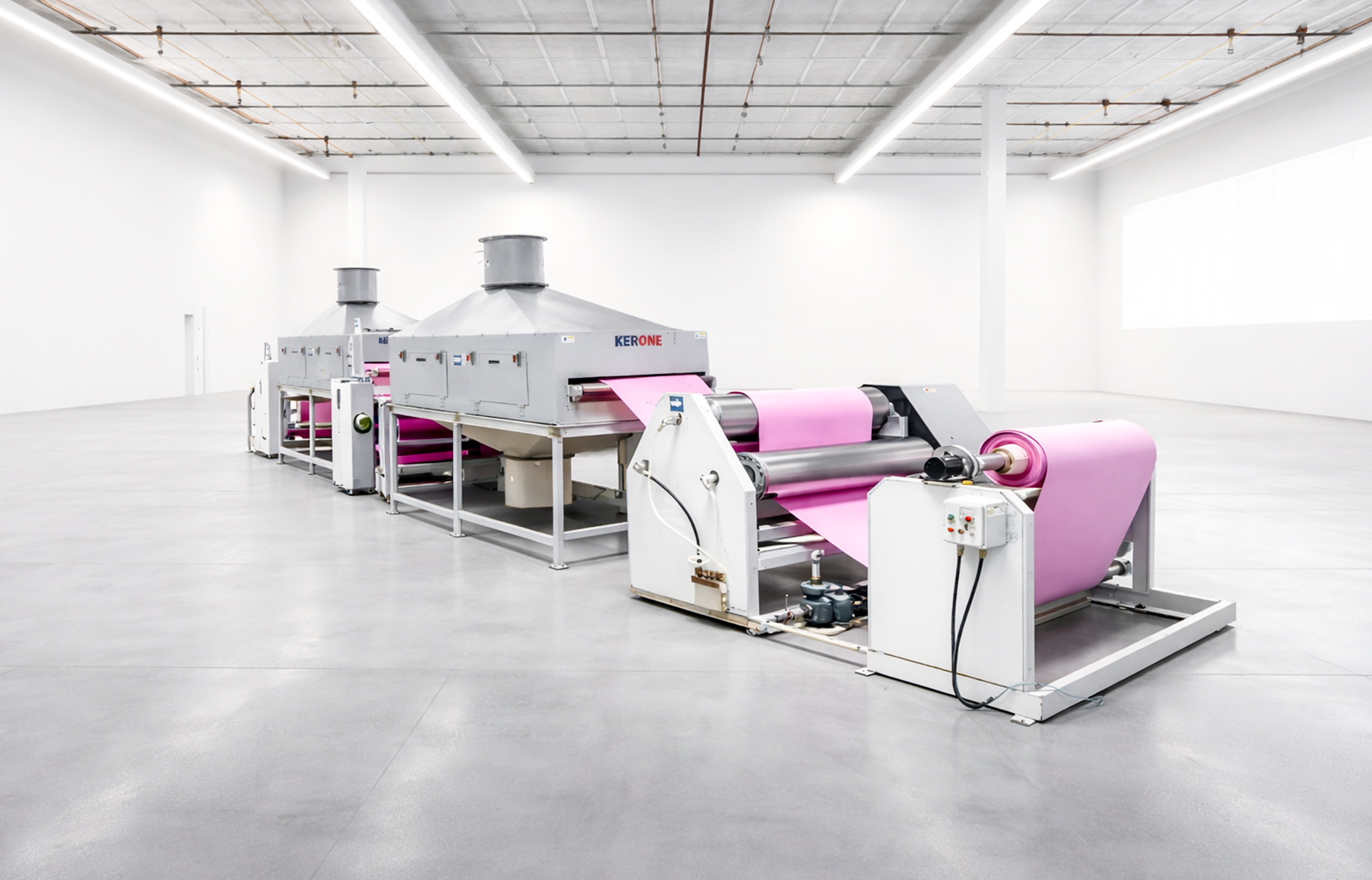
Coating & Surface Engineering Plants
Click to view high-res
Coating & Surface Engineering Plants
Click to view high-res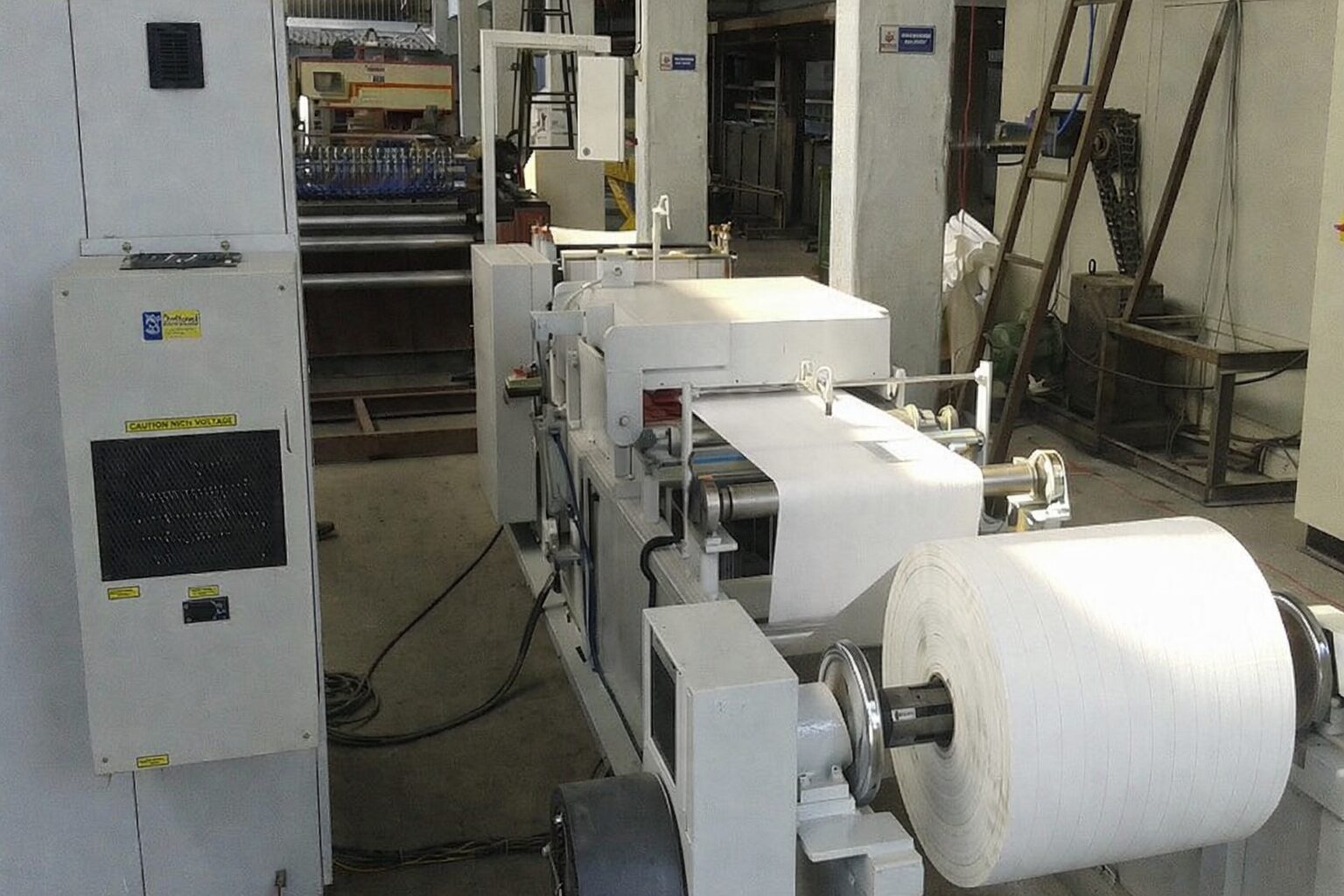
Coating & Surface Engineering Plants
Click to view high-res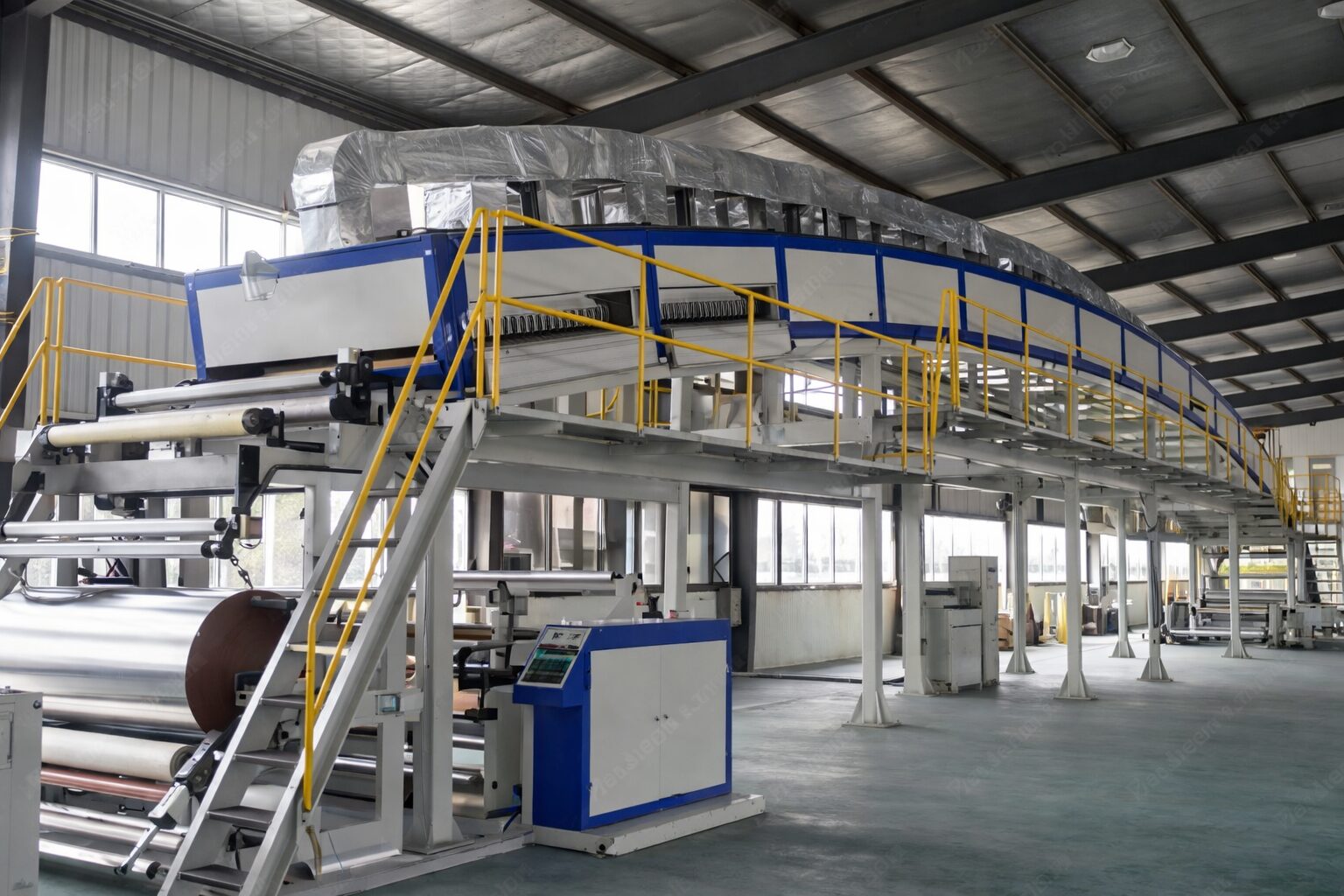
Coating & Surface Engineering Plants
Click to view high-res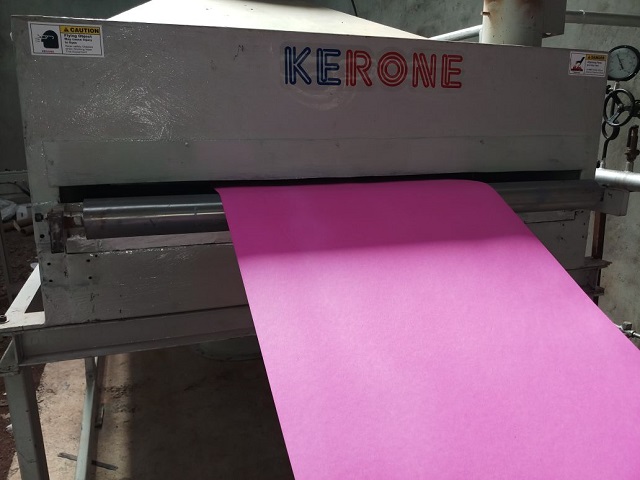
Coating & Surface Engineering Plants
Click to view high-res
Coating & Surface Engineering Plants
Click to view high-res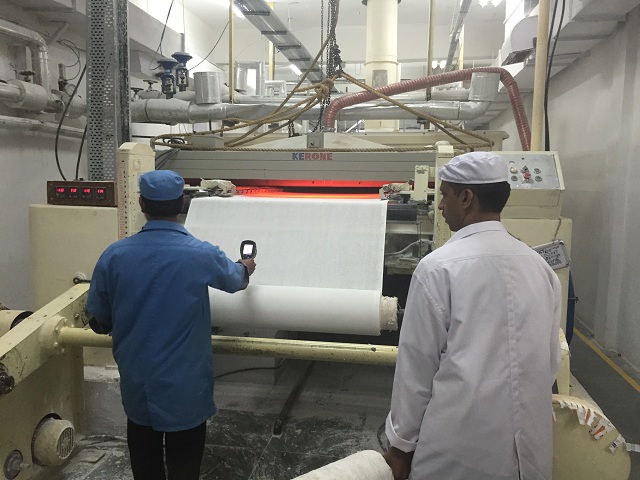
Coating & Surface Engineering Plants
Click to view high-res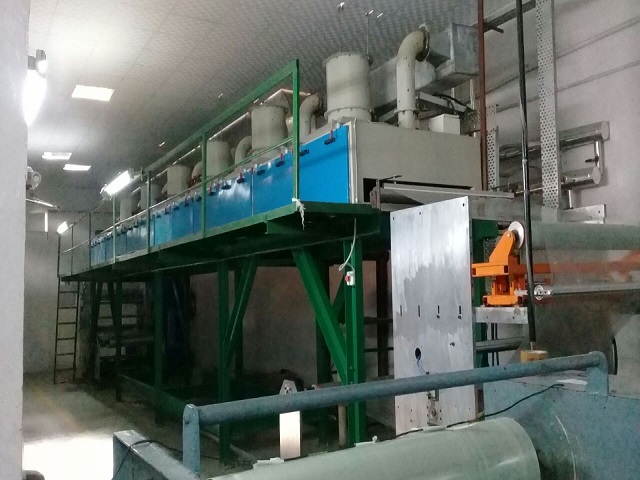
Coating & Surface Engineering Plants
Click to view high-res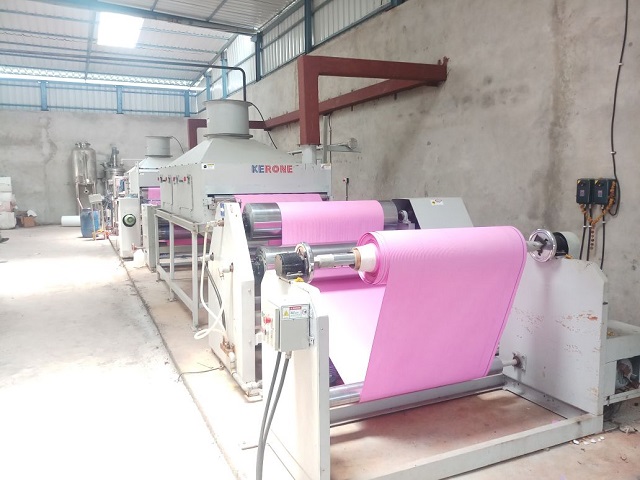
Coating & Surface Engineering Plants
Click to view high-res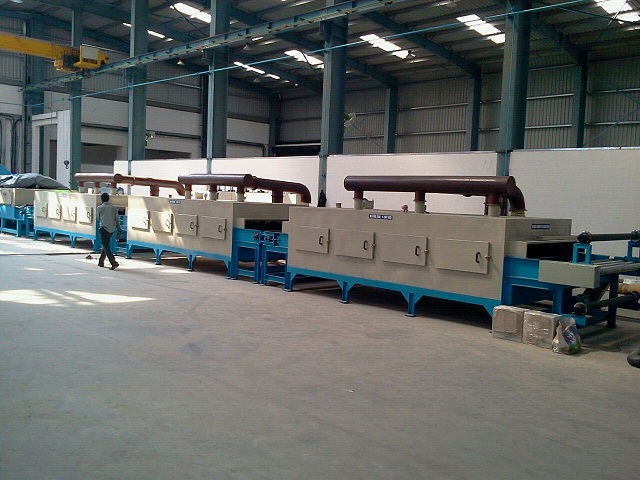
Coating & Surface Engineering Plants
Click to view high-res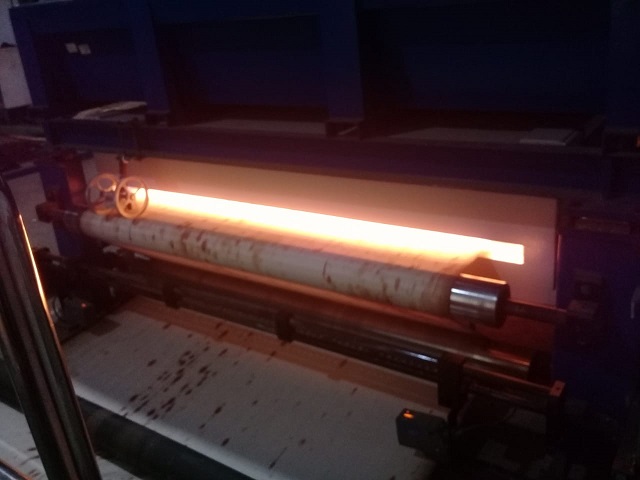
Coating & Surface Engineering Plants
Click to view high-res
Coating & Surface Engineering Plants
Click to view high-res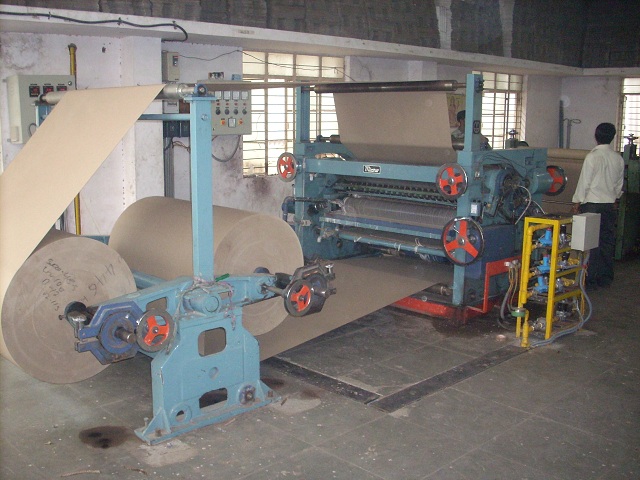
Coating & Surface Engineering Plants
Click to view high-res
Coating & Surface Engineering Plants
Click to view high-res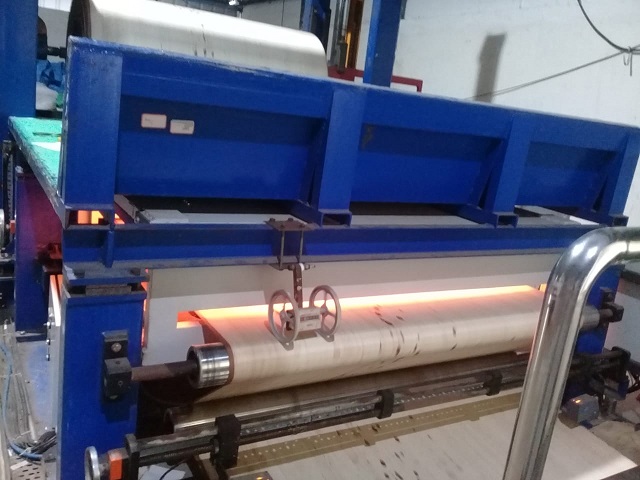
Coating & Surface Engineering Plants
Click to view high-res50+ Years of Thermal Engineering Leadership.
Since 1976, Kerone Engineering Solutions has delivered over 5,000 custom-engineered thermal and process installations across 50+ countries. In technical collaboration with premier global institutions like CSIR-CEERI and University of Nottingham research partnerships, we design and manufacture high-efficiency machinery that minimizes production downtime and cuts operating expenses.
Unlike standard off-the-shelf equipment suppliers, Kerone operates a complete pilot-scale testing facility at our KRDC Ambernath center. We validate your exact raw material properties — determining moisture sorption isotherms, specific heat capacity, and dielectric behavior — before finalizing equipment sizing, ensuring zero risk during industrial scale-up.
Engineering precision, built into every system.
Multi-process Capability
Multi-process capability spanning PVD, CVD, thermal spray, powder coating, and wet coating
High-precision Coating Thickness
High-precision coating thickness control with in-line measurement and feedback systems
Automated Pre-treatment Systems
Automated pre-treatment systems including chemical cleaning, blasting, and plasma activation
Fully Enclosed, Explosion-proof
Fully enclosed, explosion-proof powder and liquid coating environments
High-productivity Batch and
High-productivity batch and continuous coating line configurations
Precise Temperature Control in
Precise temperature control in curing ovens for optimal coating adhesion and properties
Compliance
Compliance with environmental regulations including VOC emission controls and waste treatment
Recipe-based Automation
Recipe-based automation for consistent coating application across diverse product batches
Powered by AI, Machine Learning & Smart IoT Integration
Modern industrial processing requires unprecedented thermal precision, energy efficiency, and operational agility. Kerone equips each system with high-speed industrial edge computing controllers, multi-spectral non-contact infrared pyrometry, and proprietary closed-loop machine learning algorithms that continuously analyze process parameters in real time.
The intelligent automation stack monitors dynamic changes in incoming material load, bed thickness, moisture content, and environmental factors. In response, our algorithms dynamically adjust heater power arrays, generator frequency, conveyor drive velocities, and exhaust dampers within milliseconds — entirely eliminating product burn, under-processing, or thermal hotspotting.
Seamlessly integrated with factory-wide SCADA and enterprise ERP architectures via native MQTT, OPC-UA, and Modbus TCP protocols, our systems deliver complete digital recipe control, remote diagnostics, predictive maintenance alerting, and tamper-evident batch logs compliant with global FDA 21 CFR Part 11 and cGMP standards.
Adaptive Heat Modulation
Neural algorithms detect material thermal variations in real time (<50ms response) and tune generator frequency and power arrays automatically.
IoT Cloud Telemetry
Continuous bidirectional telemetry stream via MQTT/OPC-UA protocols directly to centralized plant SCADA, MES, or mobile engineer dashboards.
Predictive Maintenance
Monitors magnetron cathode current, vibration frequency signatures, and differential filter pressure to schedule AMC maintenance before failures occur.
Quality & Batch Traceability
Automated digital recipe execution, multi-stage temperature ramp/soak curves, and cryptographically signed electronic batch logs compliant with 21 CFR Part 11.
Engineered for High-Value Industrial Sectors
Tailored thermal and process configurations across continuous manufacturing lines.
Automotive component powder coating...
Automotive component powder coating and electrocoating for corrosion and aesthetic finishing
Aerospace turbine blade thermal bar...
Aerospace turbine blade thermal barrier and wear-resistant coating using thermal spray
Cutting tool PVD coating for extend...
Cutting tool PVD coating for extended tool life and improved machining performance
Medical device surface coating for ...
Medical device surface coating for biocompatibility, lubricity, and infection prevention
Electronics PCB conformal coating a...
Electronics PCB conformal coating and parylene deposition for environmental protection
Architectural glass and metal PVD c...
Architectural glass and metal PVD coating for decorative and energy-efficient applications
Configured to Your Process Window
Technical parameter envelopes across industrial manufacturing and engineering architectures.
Frequently Asked Questions
Engineering answers regarding equipment sizing, integration, and process performance.
Routine maintenance covers vacuum chamber seals and pumps for PVD/CVD systems, nozzle and gun cleaning in thermal spray and powder coating lines, calibration of in-line thickness sensors, and inspection of curing oven heating elements and airflow systems. Powder coating booths need periodic dust collector filter replacement and grounding checks to maintain explosion-proof compliance. Recipe-controlled automation reduces operator-dependent variation, but mechanical wear items such as rollers, gaskets, and spray nozzles still need scheduled replacement. Kerone designs plants with accessible service points and modular subsystems so maintenance teams can service one process module without shutting down the entire line. A documented preventive maintenance schedule, typically reviewed quarterly, keeps coating consistency and equipment uptime high across multi-shift industrial operations.
Return on investment for a Kerone coating and surface engineering plant generally falls between 18 months and 4 years, depending on production volume, coating chemistry, and the conventional process being replaced. Manufacturers moving from manual spray booths or outsourced coating to an automated in-house line typically recover costs faster through reduced rework, lower coating material consumption from precision deposition control, and elimination of third-party processing fees and logistics. High-volume automotive or electronics coating lines with continuous operation see faster payback than low-volume specialty coating applications. Energy-efficient curing ovens and solvent recovery systems also contribute to ongoing operating savings that shorten the payback period. Kerone's engineering team provides a cost-benefit projection during the proposal stage so buyers can evaluate ROI before committing to capital expenditure.
With proper maintenance, Kerone's coating and surface engineering plants are engineered for a service life of 15 to 20 years for the core mechanical and structural components, including vacuum chambers, spray booths, and curing ovens. Wear components such as targets in PVD systems, spray nozzles, and dust collector filters have shorter replacement cycles measured in months rather than years. Equipment longevity depends heavily on operating environment, duty cycle, and adherence to preventive maintenance schedules. Stainless steel construction, corrosion-resistant coatings on structural elements, and robust electrical and control cabinets all extend usable life. Many Kerone-built plants installed over a decade ago remain in active production after control system upgrades, since the mechanical platform is built to outlast successive generations of automation electronics.
Manual and semi-automated coating depends heavily on operator technique, which creates inconsistent film thickness, higher rejection rates, and unpredictable material consumption. An automated coating and surface engineering plant replaces operator judgment with recipe-based process control, in-line thickness measurement, and closed-loop feedback, producing repeatable results batch after batch regardless of shift or operator. Material utilization improves significantly because automated systems apply coating only where needed, reducing overspray and waste compared to manual spray guns. Throughput also rises substantially since automated lines run continuously without the fatigue-related slowdowns typical of manual operations. The tradeoff is higher upfront capital investment and the need for process engineering during commissioning, but for any meaningful production volume, the quality consistency and reduced labor dependency outweigh manual methods.
Operating costs are driven primarily by energy consumption in curing and drying ovens, raw coating material usage, compressed air or vacuum pump power for spray and PVD/CVD processes, and consumables like masking materials, filters, and replacement targets or nozzles. Solvent-based coating systems carry additional costs for VOC abatement equipment operation and solvent recovery. Labor costs drop substantially with automation but technical staff are still needed for recipe management and quality oversight. Kerone designs plants with heat recovery on curing ovens, optimized airflow to minimize energy waste, and precision deposition control that reduces material overconsumption, all of which lower the cost per coated unit. Buyers should evaluate total cost per square meter or per part coated rather than equipment price alone when comparing options.
In-house coating with a properly engineered plant gives manufacturers direct control over film thickness, cure temperature profiles, and process repeatability, which is difficult to guarantee when coating is outsourced to a third-party job shop with shared capacity and variable scheduling. In-line measurement and closed-loop feedback systems catch deviations in real time rather than after the part has shipped from an external vendor. Manufacturers also gain faster iteration when developing new coating formulations or substrate combinations, since trials can run on the production line rather than waiting for vendor scheduling. Defect rates typically fall once a dedicated, recipe-driven plant replaces variable manual or outsourced processes, and traceability improves because every batch's process parameters are logged automatically for quality audits and customer documentation requirements.
Yes. Kerone builds recipe-based automation, in-line thickness and quality sensors, and PLC/SCADA control into its coating plants from the outset, which makes Industry 4.0 integration straightforward. Process data including coating thickness, cure temperatures, line speed, and material consumption can be logged to a central historian or cloud dashboard for real-time monitoring and trend analysis. Predictive maintenance algorithms can flag drifting sensor readings or degrading pump performance before a failure interrupts production. For manufacturers building toward connected factory operations, the coating line becomes one data source feeding broader MES or ERP systems rather than an isolated island of automation. Retrofitting older coating equipment with this connectivity is also possible, though new builds integrate it more cleanly from the design stage.
Kerone's plants support PVD, CVD, thermal spray (HVOF, plasma spray), powder coating, wet coating, and plasma-based surface treatments for functional, protective, and decorative applications.
Kerone's coating systems can process metals, ceramics, polymers, composites, glass, and specialized materials depending on the coating process selected.
Kerone integrates in-line optical and eddy current thickness measurement systems with closed-loop feedback controls to maintain precise coating thickness and uniformity.
Yes, Kerone designs coating plants with solvent recovery systems, thermal oxidizers, and activated carbon filters to control VOC emissions in compliance with environmental regulations.
Yes, Kerone offers high-throughput continuous coating lines with automated loading, processing, and unloading for high-volume automotive and industrial production environments.
Pre-treatment systems include chemical degreasing, phosphating, chromating, abrasive blasting, and plasma activation to ensure optimal coating adhesion.
Yes, Kerone's R&D lab provides coating process development, substrate testing, and coating characterization services to optimize parameters before full-scale production.
Powder coating facilities include explosion-proof booth construction, grounding systems, dust collection, and fire suppression to comply with NFPA 33 and relevant safety standards.

Let’s Engineer the Right Process.
From application trials to full-scale production systems, our engineering team works with you to develop the right thermal processing solution for your material, throughput, and production requirements.