
Microwave Drying - Black Soldier Fly (BSF) Processing
Kerone has been a trusted name in innovative industrial engineering for more than 50 years.
Engineered precision for Microwave Drying - Black Soldier Fly (BSF) Processing.
Kerone has been a trusted name in innovative industrial engineering for more than 50 years. Our Microwave Drying – Black Soldier Fly (BSF) Processing systems are designed to deliver high-efficiency processing, optimized performance, and consistent output across multiple industrial sectors.
MW Air Jet Plasma is an advanced industrial technology that combines microwave energy with compressed air to generate a high-temperature, high-velocity plasma jet without the need for electrodes or vacuum systems. Kerone’s Microwave Air Jet Plasma systems operate at atmospheric pressure, making them exceptionally versatile for surface treatment, material modification, and plasma-assisted chemical processes.
Our advanced AI, ML, and IoT technologies, this solution delivers smarter automation, real-time insights, and predictive intelligence to enhance efficiency and drive future-ready growth.
Continuous tracking of process parameters with instant adjustments.
Intelligent fault detection to prevent failures before they occur.
The thermodynamic architecture of our Microwave Drying - Black Soldier Fly (BSF) Processing incorporates advanced thermal modeling and computational fluid dynamics (CFD) to ensure optimal heat and mass transfer across the entire processing zone. By precisely controlling thermal gradients, air velocity profiles, and direct energy delivery mechanisms, the system achieves uniform treatment while preventing localized overheating, product degradation, or thermal stress. This balance of intensive heat transfer and controlled retention time ensures maximum operational throughput with minimal specific energy consumption.
Built with heavy-duty structural engineering and sanitary metallurgy, each unit is manufactured to withstand continuous 24/7 industrial operating conditions. Contact surfaces are finished in high-grade stainless steel (SS 304, SS 316L, or corrosion-resistant alloys) with sanitary mirror-polish options, CIP/SIP washdown provisions, and hermetic chamber sealing. This guarantees full compliance with stringent international hygiene, CE machinery directives, and cGMP standards across food, pharmaceutical, specialty chemical, and heavy manufacturing applications.
Proprietary control algorithms ensure strict process repeatability, while built-in safety interlocks and electromagnetic shielding comply with international CE and OSHA standards. Full process development support — including material loss tangent testing, moisture sorption isotherms, and pilot trials at our Ambernath R&D facility — ensures the selected technology matches your exact industrial throughput goals.
Product & Systems Gallery
Explore authentic high-resolution photographs of industrial machinery, pilot trial rigs, and continuous turnkey processing installations engineered by Kerone Engineering Solutions for Microwave Drying - Black Soldier Fly (BSF) Processing. Each system is fabricated at our ISO 9001:2015 certified manufacturing facilities with precision laser cutting, robotic welding, and stringent Factory Acceptance Testing (FAT).
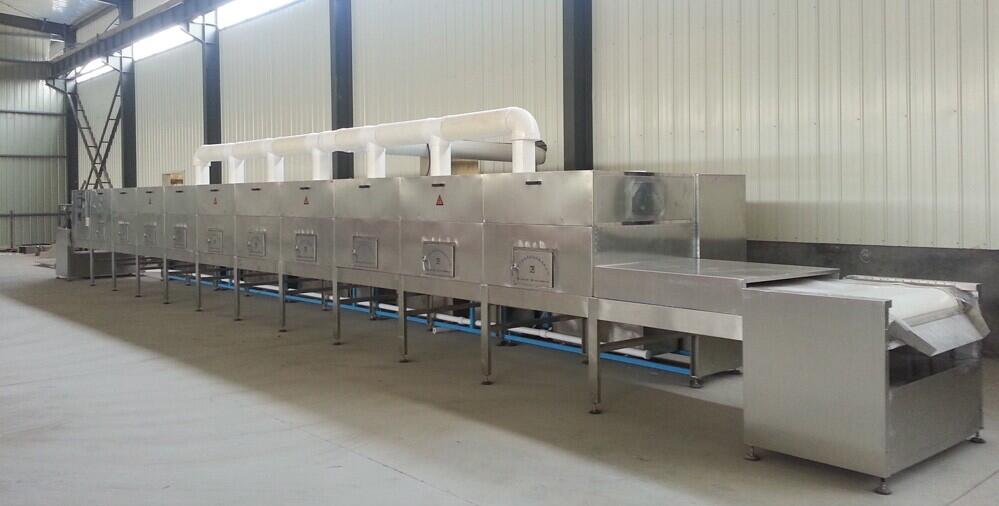
Microwave Drying - Black Soldier Fly (BSF) Processing
Click to view high-res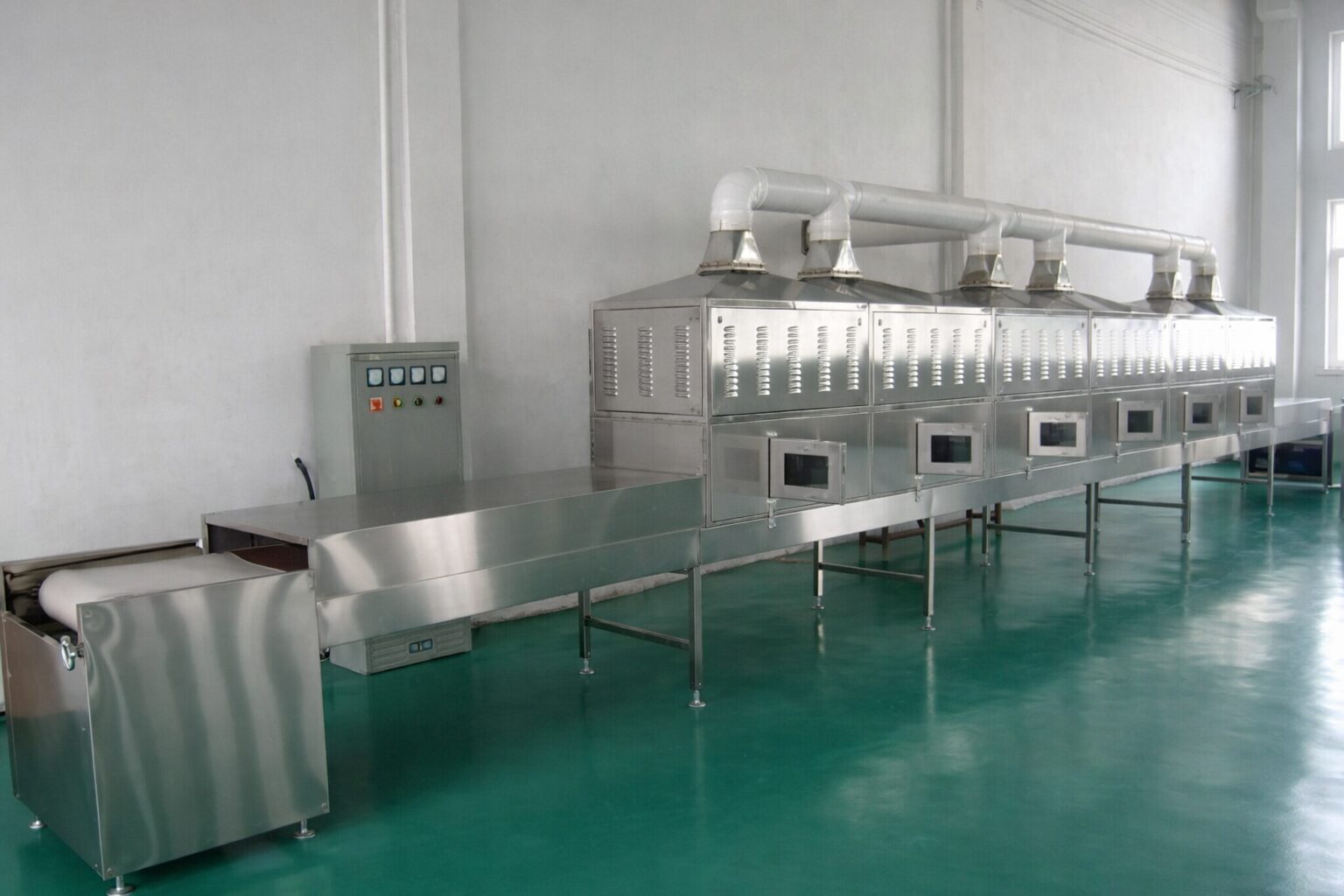
Microwave Drying - Black Soldier Fly (BSF) Processing
Click to view high-res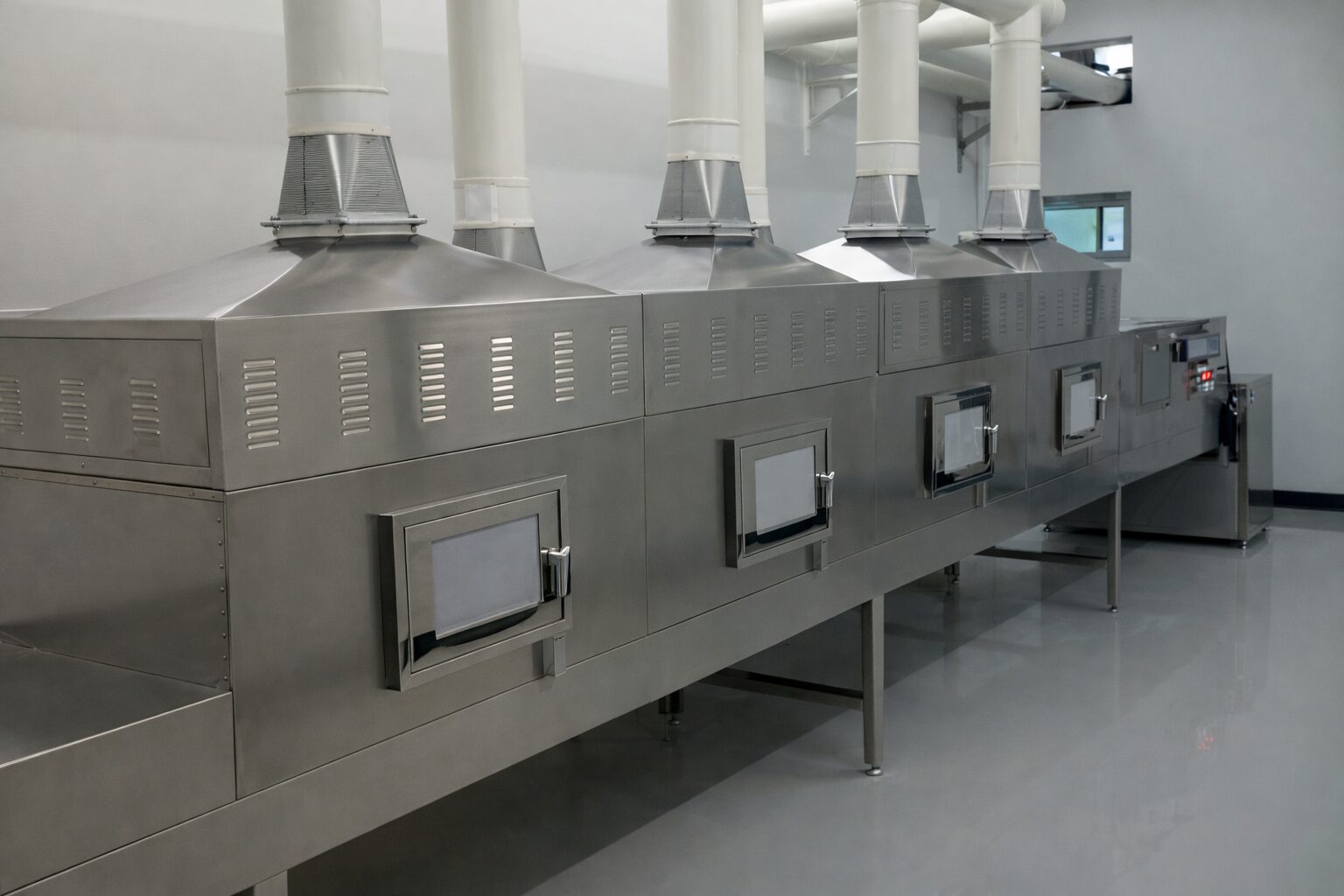
Microwave Drying - Black Soldier Fly (BSF) Processing
Click to view high-res
Microwave Drying - Black Soldier Fly (BSF) Processing
Click to view high-res
Microwave Drying - Black Soldier Fly (BSF) Processing
Click to view high-res
Microwave Drying - Black Soldier Fly (BSF) Processing
Click to view high-res50+ Years of Thermal Engineering Leadership.
Since 1976, Kerone Engineering Solutions has delivered over 5,000 custom-engineered thermal and process installations across 50+ countries. In technical collaboration with premier global institutions like CSIR-CEERI and University of Nottingham research partnerships, we design and manufacture high-efficiency machinery that minimizes production downtime and cuts operating expenses.
Unlike standard off-the-shelf equipment suppliers, Kerone operates a complete pilot-scale testing facility at our KRDC Ambernath center. We validate your exact raw material properties — determining moisture sorption isotherms, specific heat capacity, and dielectric behavior — before finalizing equipment sizing, ensuring zero risk during industrial scale-up.
Engineering precision, built into every system.
High Thermal and Processing
High thermal and processing efficiency
Low Maintenance and Easy
Low maintenance and easy operation
Suitable
Suitable for heat-sensitive materials
Fully Adjustable and
Fully adjustable and customizable process parameters
Available in Batch and
Available in batch and continuous configurations
Uniform Processing and
Uniform processing and consistent product quality
Powered by AI, Machine Learning & Smart IoT Integration
Modern industrial processing requires unprecedented thermal precision, energy efficiency, and operational agility. Kerone equips each system with high-speed industrial edge computing controllers, multi-spectral non-contact infrared pyrometry, and proprietary closed-loop machine learning algorithms that continuously analyze process parameters in real time.
The intelligent automation stack monitors dynamic changes in incoming material load, bed thickness, moisture content, and environmental factors. In response, our algorithms dynamically adjust heater power arrays, generator frequency, conveyor drive velocities, and exhaust dampers within milliseconds — entirely eliminating product burn, under-processing, or thermal hotspotting.
Seamlessly integrated with factory-wide SCADA and enterprise ERP architectures via native MQTT, OPC-UA, and Modbus TCP protocols, our systems deliver complete digital recipe control, remote diagnostics, predictive maintenance alerting, and tamper-evident batch logs compliant with global FDA 21 CFR Part 11 and cGMP standards.
Adaptive Heat Modulation
Neural algorithms detect material thermal variations in real time (<50ms response) and tune generator frequency and power arrays automatically.
IoT Cloud Telemetry
Continuous bidirectional telemetry stream via MQTT/OPC-UA protocols directly to centralized plant SCADA, MES, or mobile engineer dashboards.
Predictive Maintenance
Monitors magnetron cathode current, vibration frequency signatures, and differential filter pressure to schedule AMC maintenance before failures occur.
Quality & Batch Traceability
Automated digital recipe execution, multi-stage temperature ramp/soak curves, and cryptographically signed electronic batch logs compliant with 21 CFR Part 11.
Engineered for High-Value Industrial Sectors
Tailored thermal and process configurations across continuous manufacturing lines.
Food, rubber, chemical, and materia...
Food, rubber, chemical, and material processing
Waste treatment and recycling
Waste treatment and recycling
Biomass power and renewable energy ...
Biomass power and renewable energy systems
Pharmaceutical, textile, and minera...
Pharmaceutical, textile, and mineral industries
Research, laboratory, and pilot
scale production
High
temperature processing and thermal decomposition
Configured to Your Process Window
Technical parameter envelopes across industrial manufacturing and engineering architectures.
Frequently Asked Questions
Engineering answers regarding equipment sizing, integration, and process performance.
It is used for efficient processing, heating, drying or material transformation.
High efficiency, process reliability and complete customization.
Yes, Kerone offers fully customized engineering solutions.
Food, chemical, pharma, biomass, rubber, textile and more.
Kerone ensures high product quality through strict engineering standards, advanced testing procedures, and precision-controlled manufacturing systems.
Kerone's systems are designed to handle BSF biomass with initial moisture content ranging from 60% to 80%, achieving final moisture levels below 10% as required for safe storage.
Yes, Kerone offers continuous tunnel microwave dryers with conveyor belt systems that allow uninterrupted high-volume production for commercial insect farms.
The systems include microwave leakage detectors, interlocked access doors, emergency stop mechanisms, overtemperature protection, and compliance with IEC safety standards.
Fresh BSF larvae and prepupae carry high moisture content alongside an active enzymatic and microbial load, meaning the biomass begins to degrade through autolysis and microbial growth almost immediately after harvest if not stabilized quickly. Slow drying methods extend the window during which these degradation processes continue, risking protein quality loss, off-odor development, and microbial proliferation before the moisture content drops low enough to halt spoilage. Microwave drying addresses this by rapidly removing moisture throughout the biomass simultaneously rather than relying on surface evaporation, shortening the vulnerable window and helping preserve protein integrity and the nutritional value that makes BSF biomass valuable as an animal feed ingredient.
Conventional oven drying relies on hot air convection over an extended period, during which prolonged heat exposure can degrade heat-sensitive proteins and oxidize the lipid fraction, which is particularly significant for BSF larvae given their naturally high fat content. Microwave drying's shorter processing time and more uniform internal heating reduce the cumulative thermal exposure the biomass experiences, which generally supports better retention of protein digestibility and reduces lipid oxidation compared to extended conventional drying. The degree of improvement depends on the specific drying parameters and initial moisture content, so processors evaluating the switch typically run comparative nutritional analysis on dried product from both methods using their own larvae before finalizing a production process.
Fresh BSF larvae and prepupae typically arrive at the dryer with moisture content in the 60 to 80 percent range depending on harvest timing, feed substrate, and larval growth stage at collection. This high initial moisture content actually works in favor of microwave processing, since water is the primary medium through which microwave energy is absorbed, meaning wetter biomass couples efficiently with the microwave field from the start of the drying cycle. Kerone's systems are designed to handle this typical moisture range and bring final moisture content down below 10 percent, which is the threshold generally required for safe long-term storage without risk of mould growth or further microbial activity.
Insect farming facilities need to manage biosecurity risks from both the incoming organic waste feedstocks used to raise larvae and the potential for cross-contamination between batches on shared processing equipment. Kerone's BSF drying systems use food-grade stainless steel construction with hygienic conveyor belt designs that allow thorough cleaning between batches, reducing the risk of microbial carryover. Because the drying process itself achieves significant microbial reduction through the heat generated, the drying step also contributes to the facility's overall biosecurity strategy, though it should be considered one control point within a broader hygiene program rather than a substitute for proper feedstock sourcing and facility sanitation practices.
Energy cost per kilogram of dried product is a critical economic factor in insect protein production, where margins are often tighter than in more established protein industries. Microwave drying's direct energy coupling with the moisture in the biomass, rather than heating a large volume of surrounding air as conventional dryers do, generally results in lower energy consumption per kilogram of water removed, which directly supports the economics of commercial-scale operations. The exact energy efficiency achieved depends on dryer loading density, target final moisture content, and how well the system's power settings are matched to the biomass's actual moisture removal curve, making process optimization during commissioning an important step for controlling long-term operating costs.
Yes, continuous tunnel microwave dryers are specifically designed to integrate into automated production workflows where freshly harvested larvae move directly from separation equipment onto the dryer conveyor without manual intermediate handling. This direct integration is particularly valuable for BSF processing given how quickly fresh biomass begins to degrade, since minimizing the time between harvest and moisture stabilization directly supports final product quality. Real-time moisture sensing with closed-loop control allows the system to automatically adjust to natural batch-to-batch variation in incoming larvae moisture content without requiring manual recalibration, supporting the kind of consistent, low-labor operation that automated insect farming facilities are designed around.
Let’s Engineer the Right Process.
From application trials to full-scale production systems, our engineering team works with you to develop the right thermal processing solution for your material, throughput, and production requirements.