
Microwave Heating systems
Microwave Heating Systems encompass the full spectrum of industrial equipment that utilizes microwave electromagnetic energy to generate heat within materials through dielectric and ionic mechanisms, providing an unparalleled combination of speed, efficiency, and process control for diverse thermal processing applications.
Engineered precision for Microwave Heating systems.
Microwave Heating Systems encompass the full spectrum of industrial equipment that utilizes microwave electromagnetic energy to generate heat within materials through dielectric and ionic mechanisms, providing an unparalleled combination of speed, efficiency, and process control for diverse thermal processing applications.
Unlike conventional heating methods that transfer heat by conduction, convection, or infrared radiation from external sources, microwave heating generates energy volumetrically within the material itself, achieving rapid, uniform temperature rise throughout the product simultaneously.
This fundamental heating advantage translates into shorter process times, lower energy consumption, superior product quality, and reduced floor space requirements across virtually every industrial heating application. Kerone offers a comprehensive range of microwave heating systems tailored to specific industrial, food processing, pharmaceutical, chemical, and research applications.
Our advanced AI, ML, and IoT technologies, this solution delivers smarter automation, real-time insights, and predictive intelligence to enhance efficiency and drive future-ready growth.
Continuous tracking of process parameters with instant adjustments.
Intelligent fault detection to prevent failures before they occur.
Dynamic tuning of operations for maximum output and efficiency.
The thermodynamic architecture of our Microwave Heating systems incorporates advanced thermal modeling and computational fluid dynamics (CFD) to ensure optimal heat and mass transfer across the entire processing zone. By precisely controlling thermal gradients, air velocity profiles, and direct energy delivery mechanisms, the system achieves uniform treatment while preventing localized overheating, product degradation, or thermal stress. This balance of intensive heat transfer and controlled retention time ensures maximum operational throughput with minimal specific energy consumption.
Built with heavy-duty structural engineering and sanitary metallurgy, each unit is manufactured to withstand continuous 24/7 industrial operating conditions. Contact surfaces are finished in high-grade stainless steel (SS 304, SS 316L, or corrosion-resistant alloys) with sanitary mirror-polish options, CIP/SIP washdown provisions, and hermetic chamber sealing. This guarantees full compliance with stringent international hygiene, CE machinery directives, and cGMP standards across food, pharmaceutical, specialty chemical, and heavy manufacturing applications.
Proprietary control algorithms ensure strict process repeatability, while built-in safety interlocks and electromagnetic shielding comply with international CE and OSHA standards. Full process development support — including material loss tangent testing, moisture sorption isotherms, and pilot trials at our Ambernath R&D facility — ensures the selected technology matches your exact industrial throughput goals.
Product & Systems Gallery
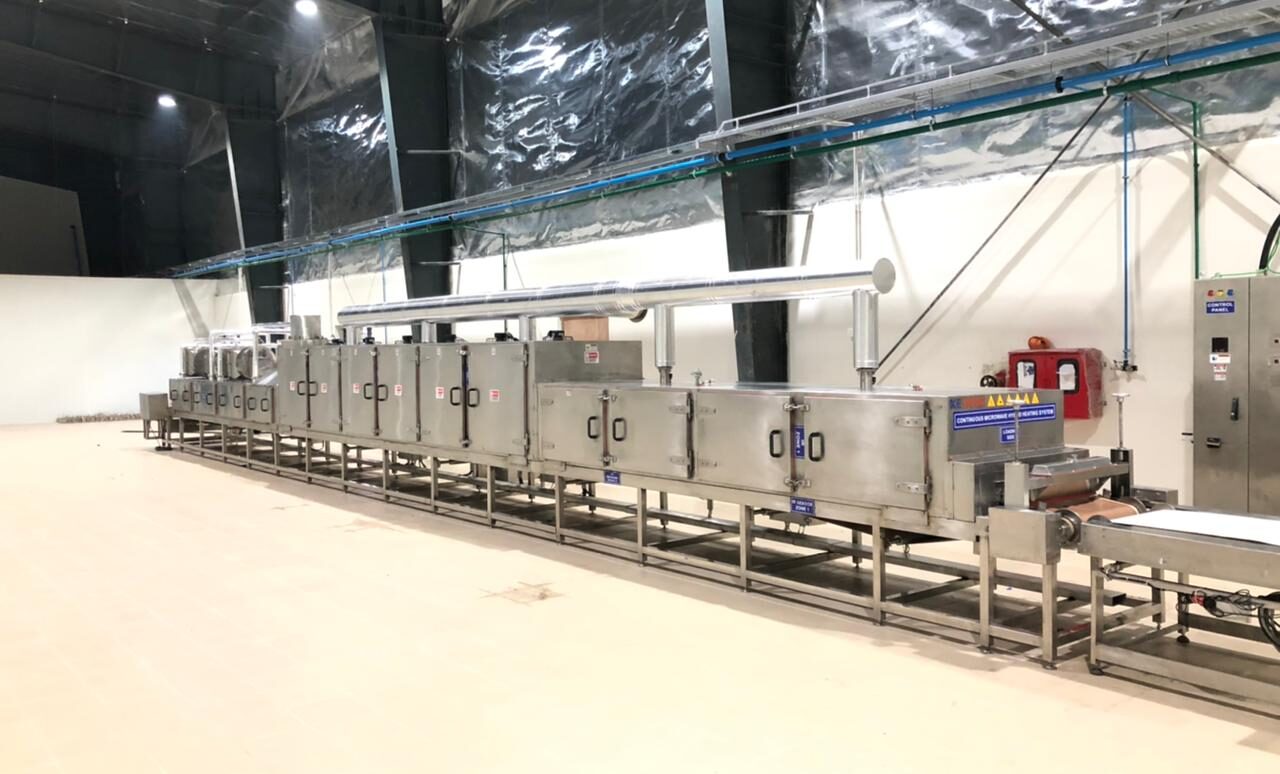
Explore authentic high-resolution photographs of industrial machinery, pilot trial rigs, and continuous turnkey processing installations engineered by Kerone Engineering Solutions for Microwave Heating systems. Each system is fabricated at our ISO 9001:2015 certified manufacturing facilities with precision laser cutting, robotic welding, and stringent Factory Acceptance Testing (FAT).
Microwave Heating systems
Click to view high-res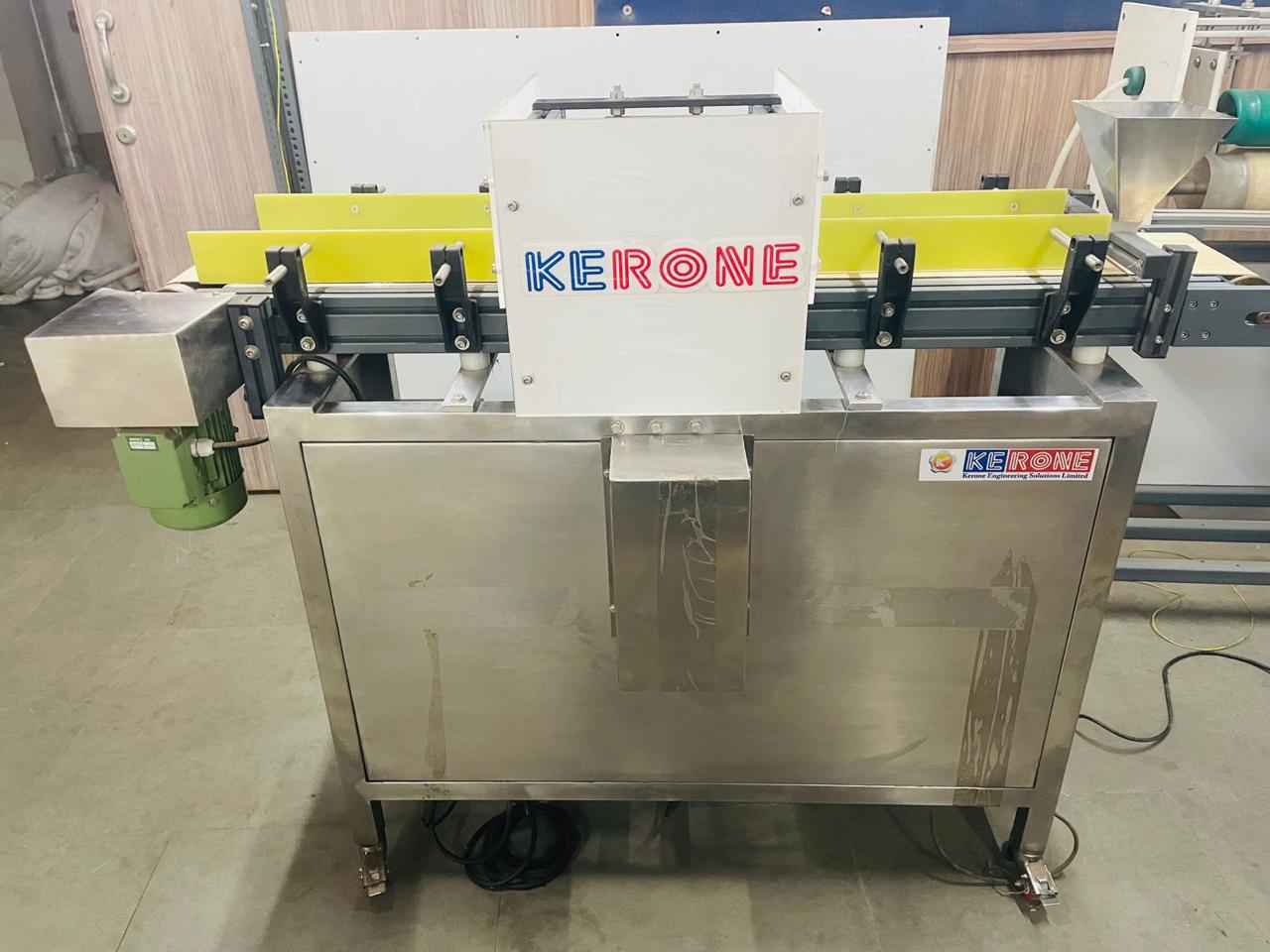
Microwave Heating systems
Click to view high-res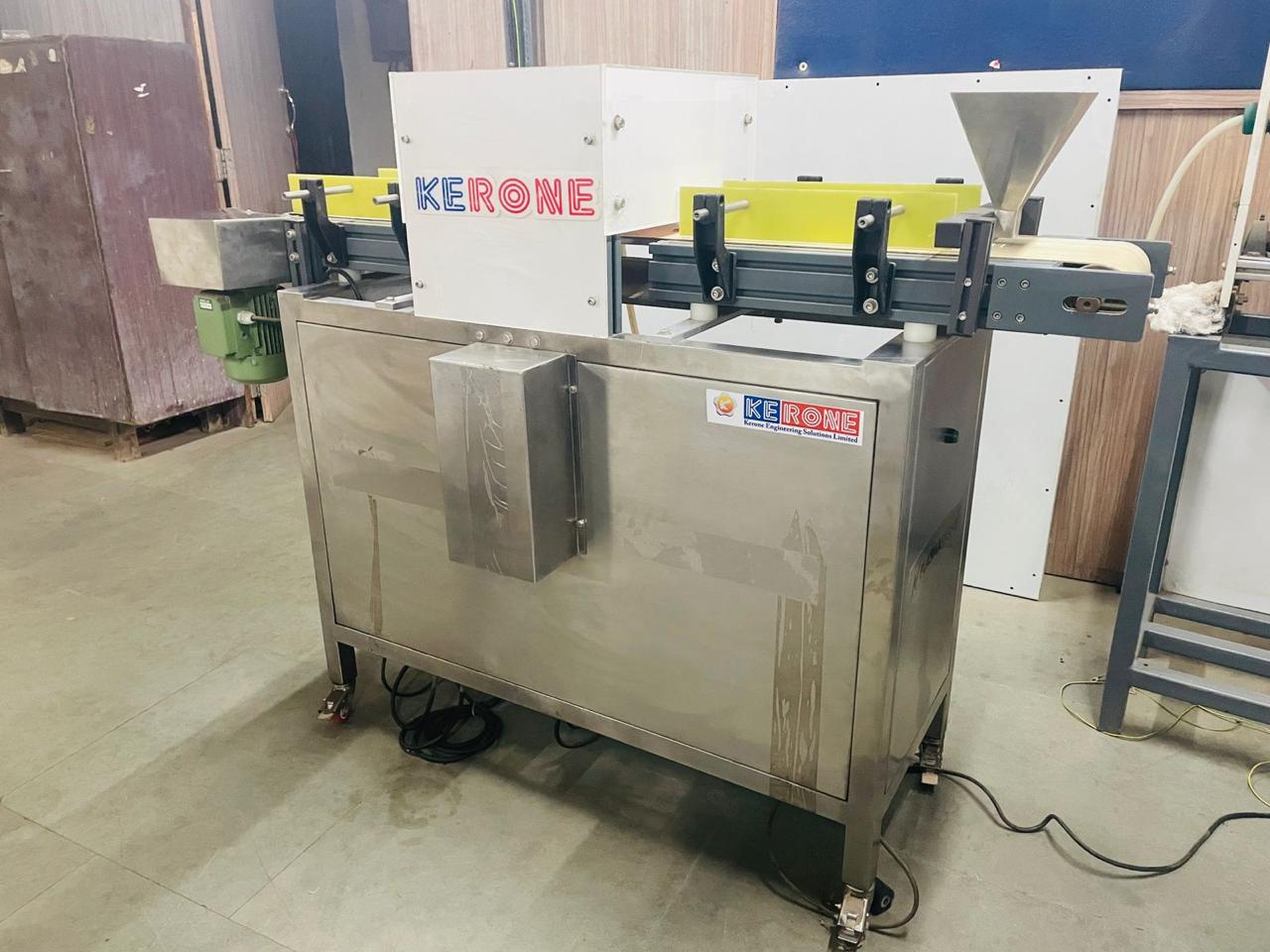
Microwave Heating systems
Click to view high-res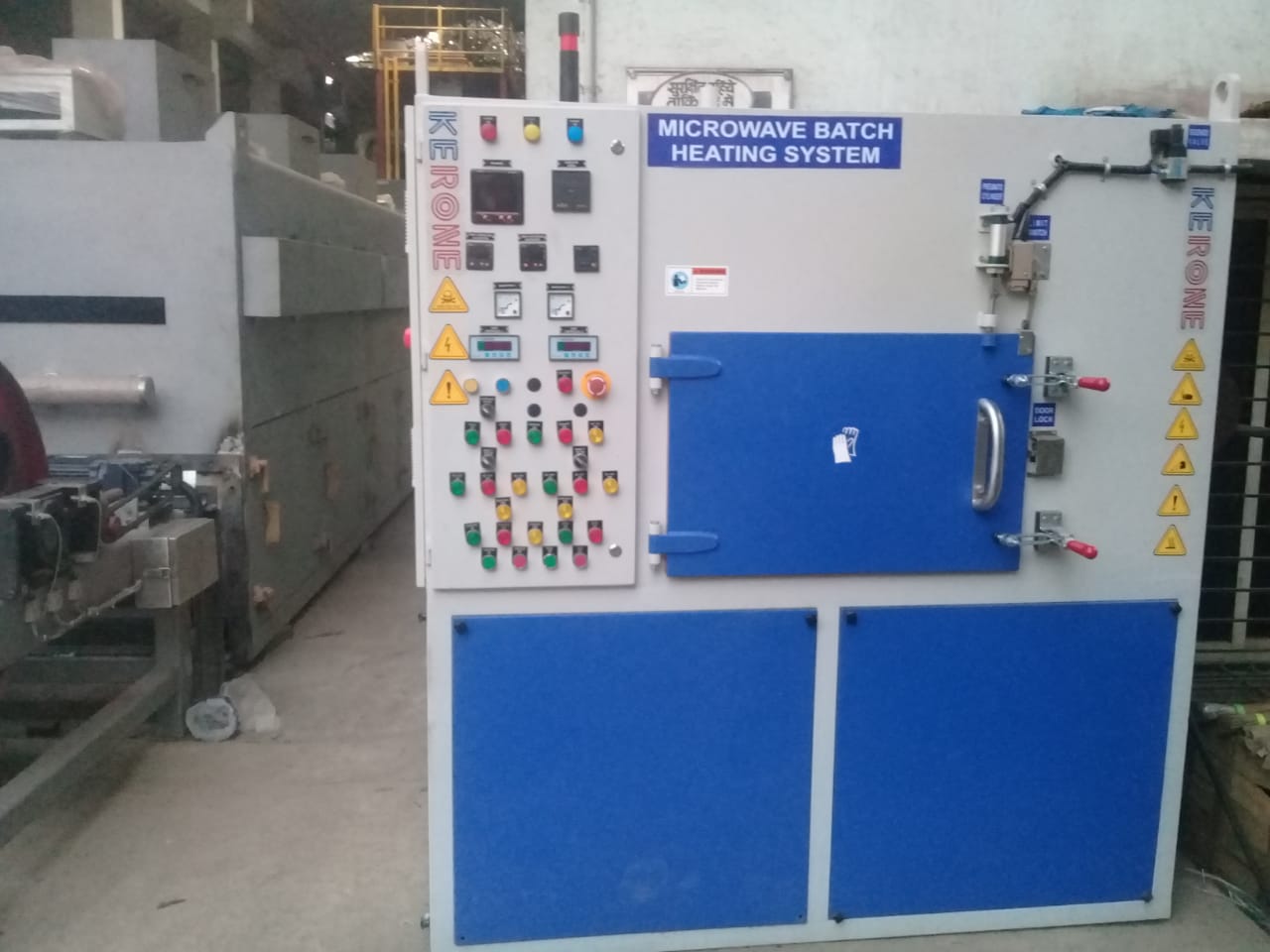
Microwave Heating systems
Click to view high-res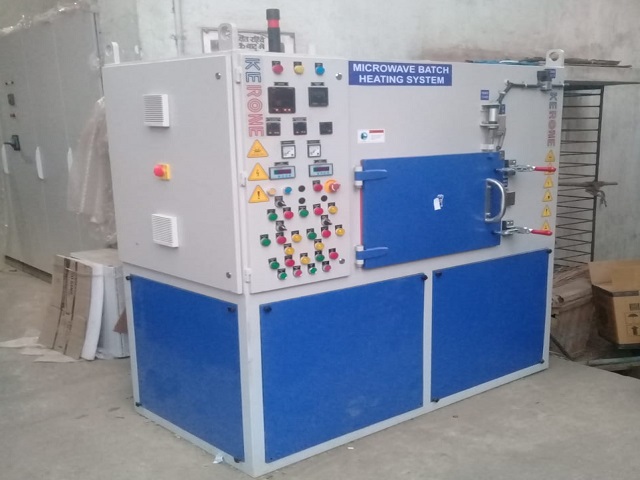
Microwave Heating systems
Click to view high-res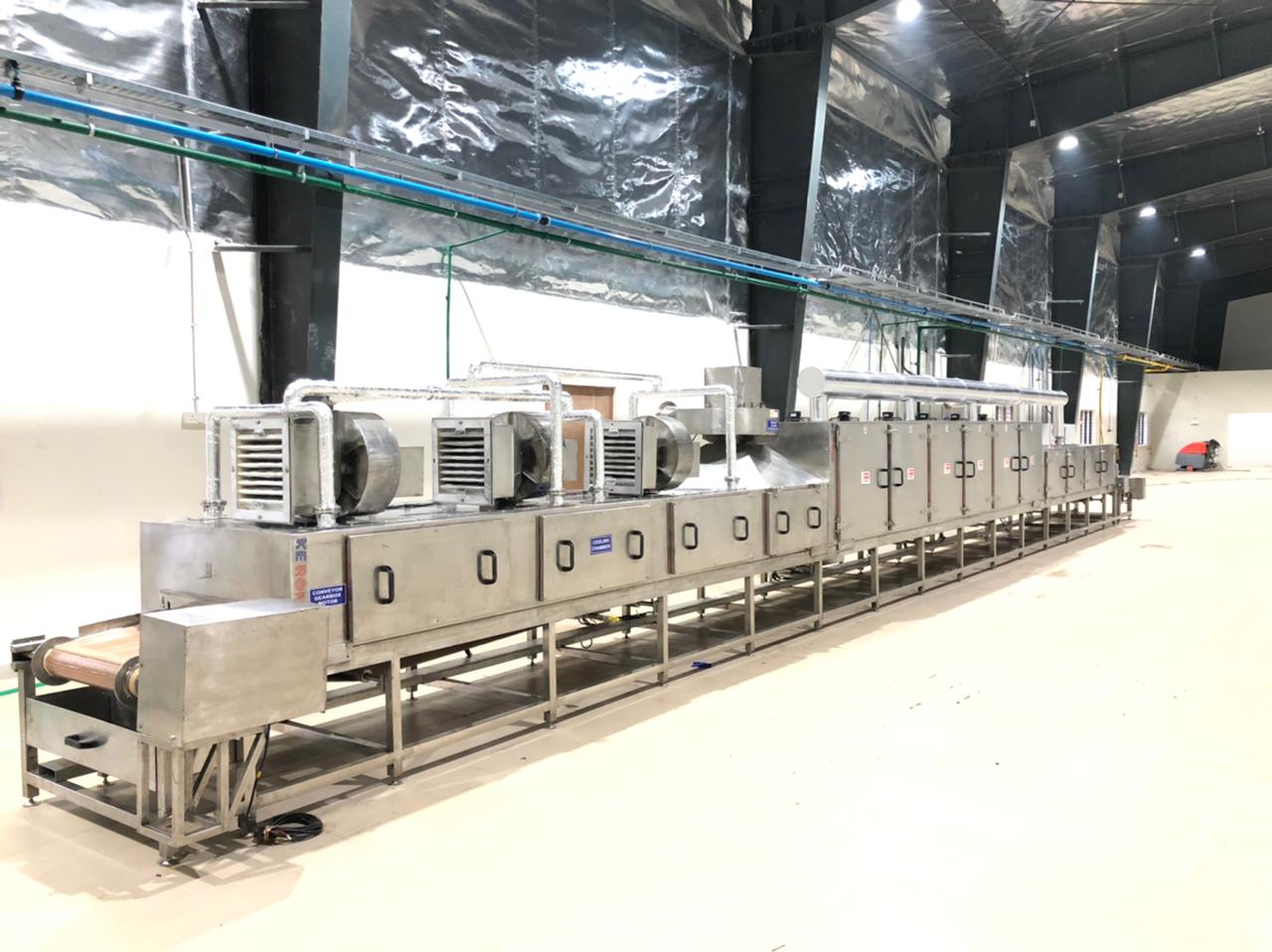
Microwave Heating systems
Click to view high-res
Microwave Heating systems
Click to view high-res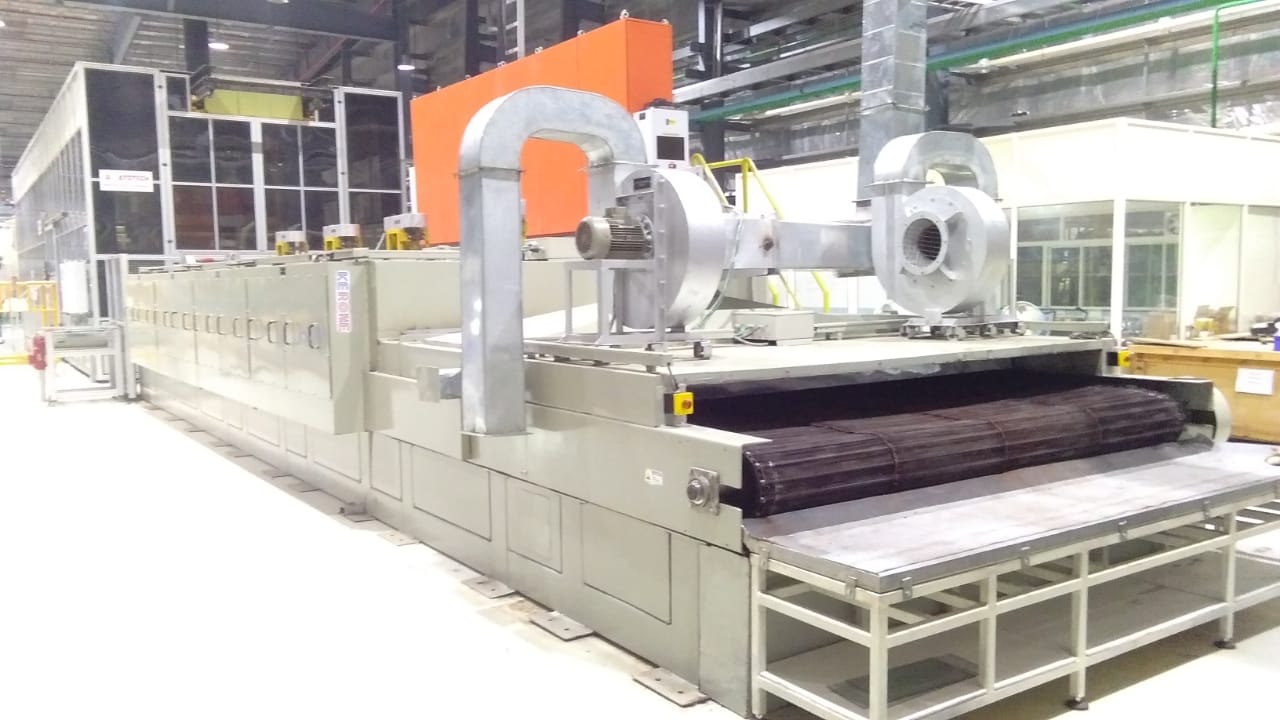
Microwave Heating systems
Click to view high-res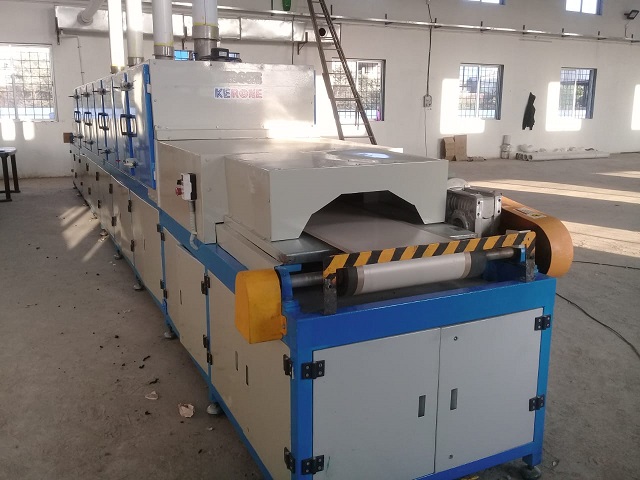
Microwave Heating systems
Click to view high-res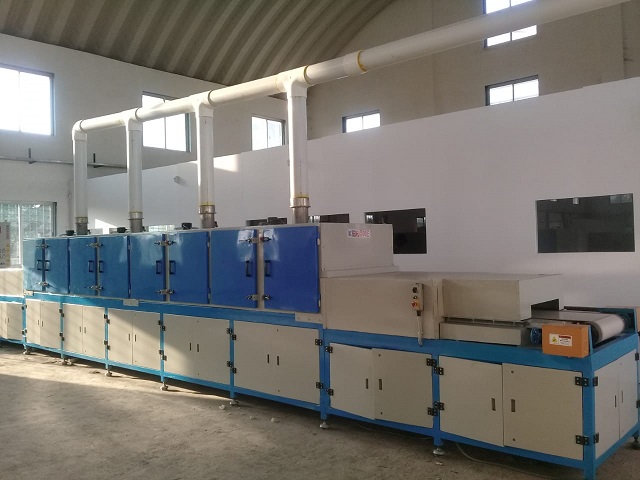
Microwave Heating systems
Click to view high-res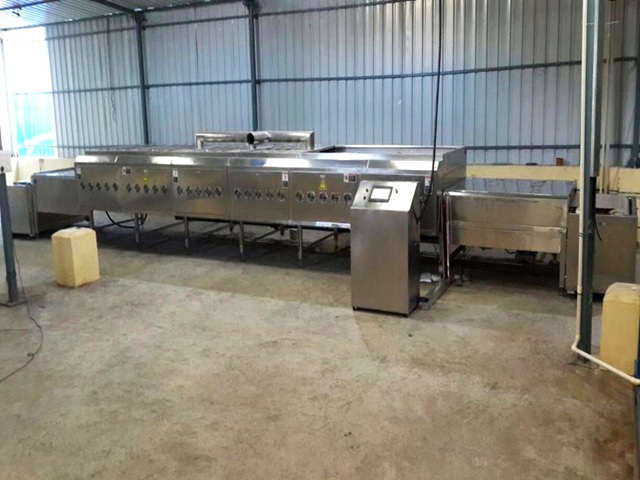
Microwave Heating systems
Click to view high-res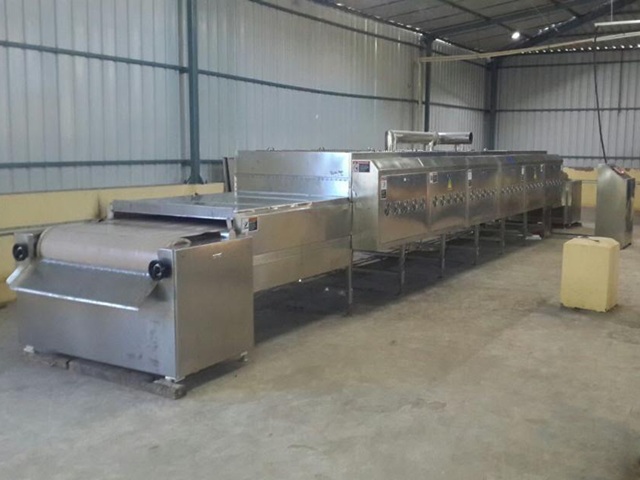
Microwave Heating systems
Click to view high-res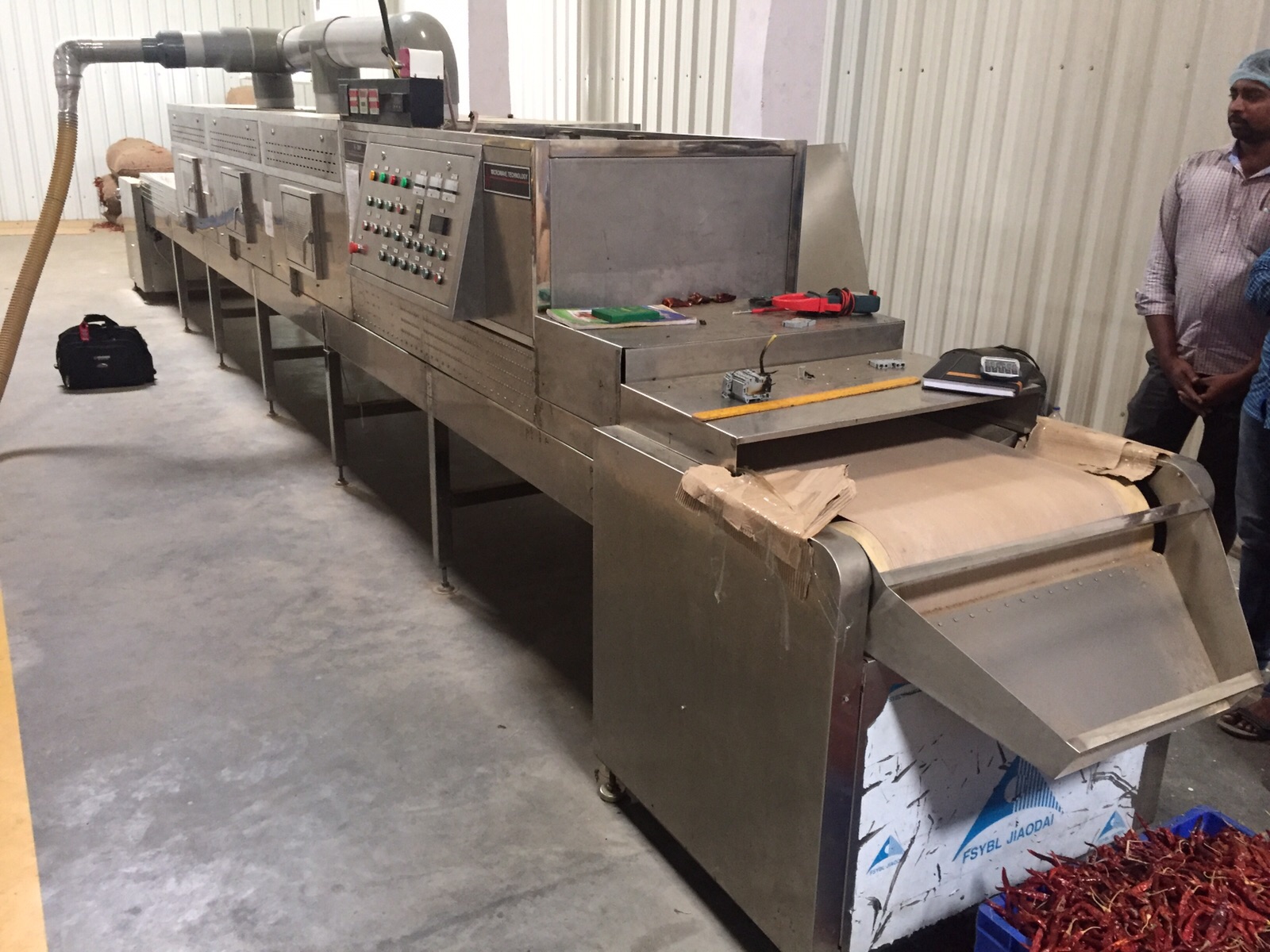
Microwave Heating systems
Click to view high-res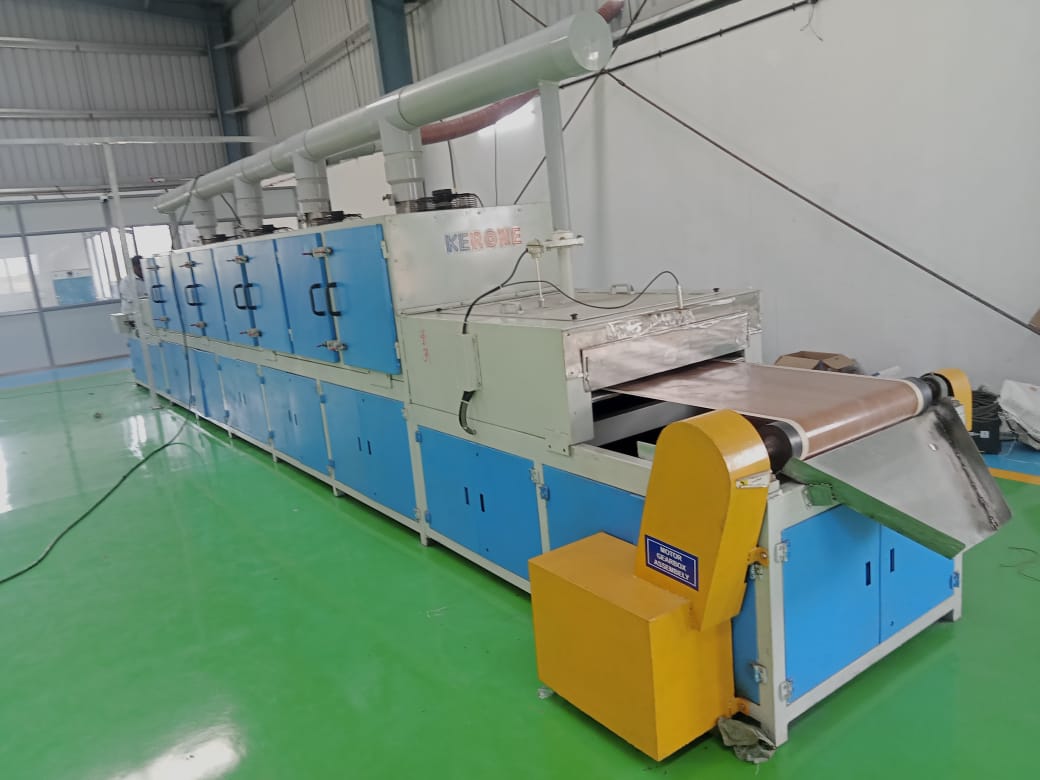
Microwave Heating systems
Click to view high-res
Microwave Heating systems
Click to view high-res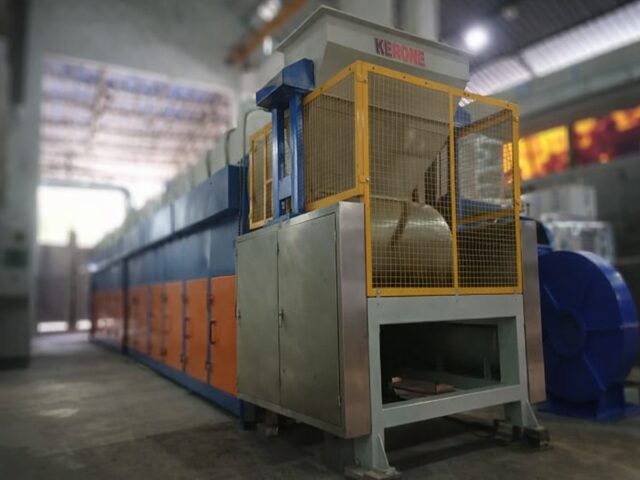
Microwave Heating systems
Click to view high-res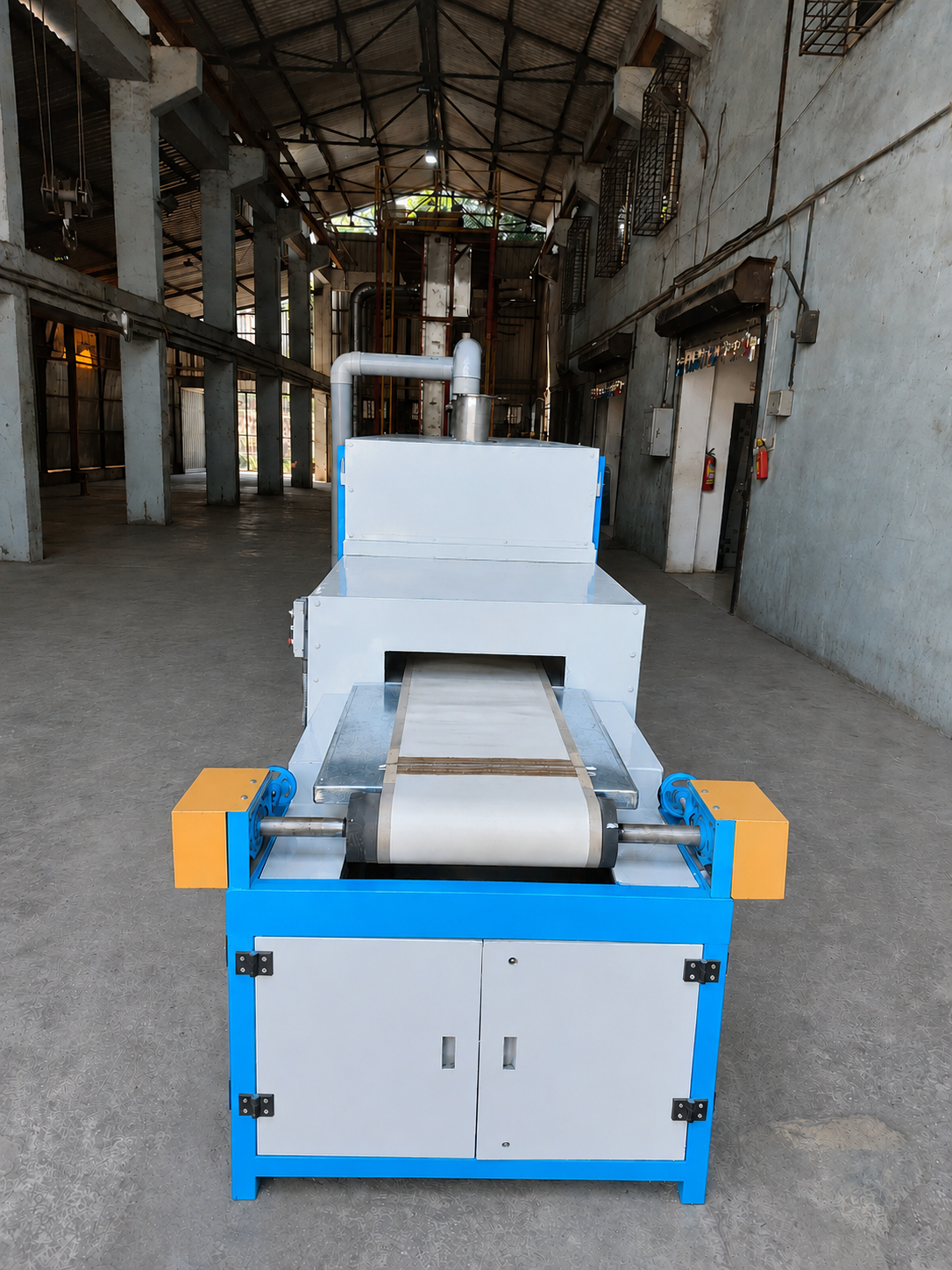
Microwave Heating systems
Click to view high-res
Microwave Heating systems
Click to view high-res
Microwave Heating systems
Click to view high-res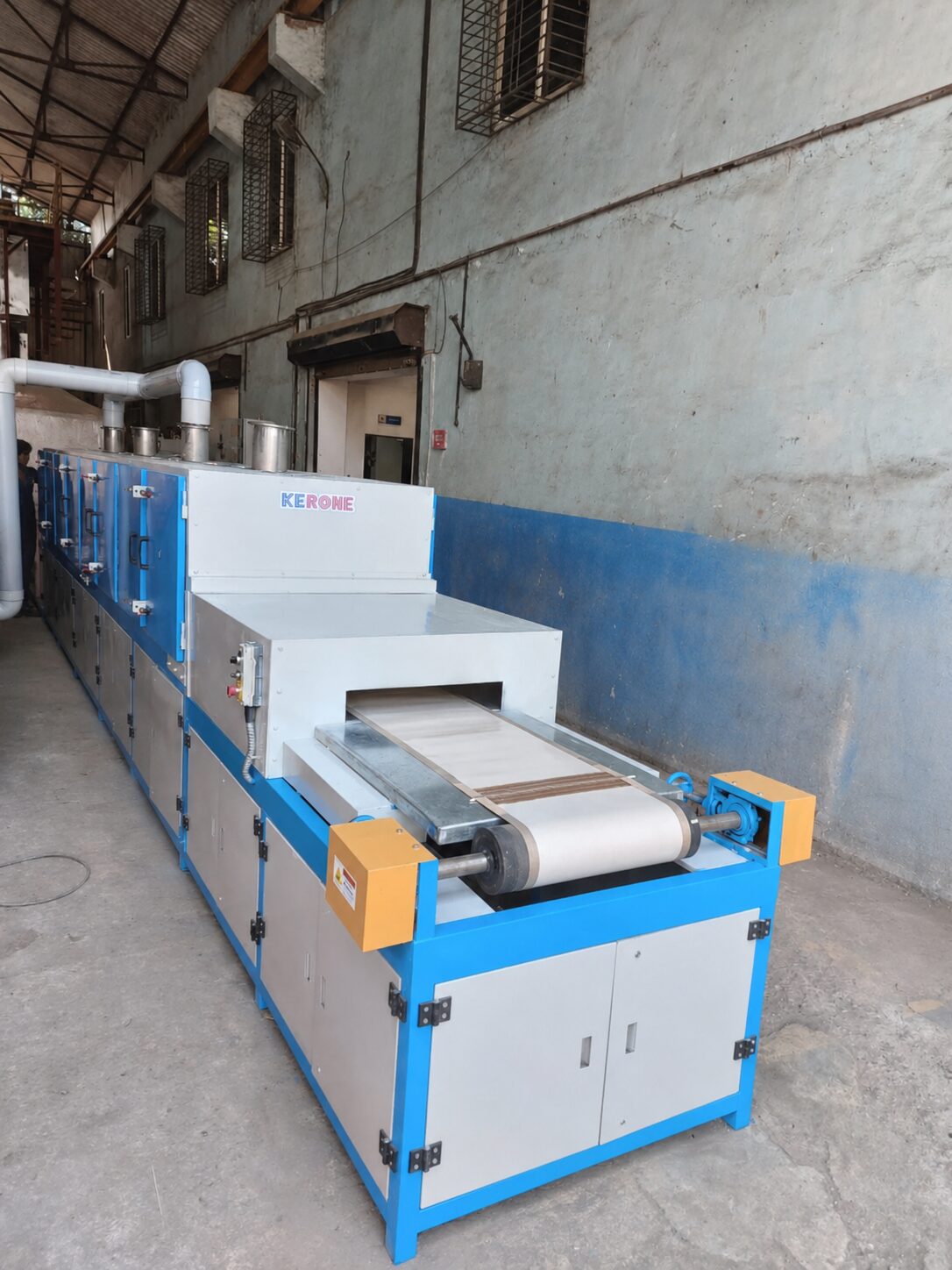
Microwave Heating systems
Click to view high-res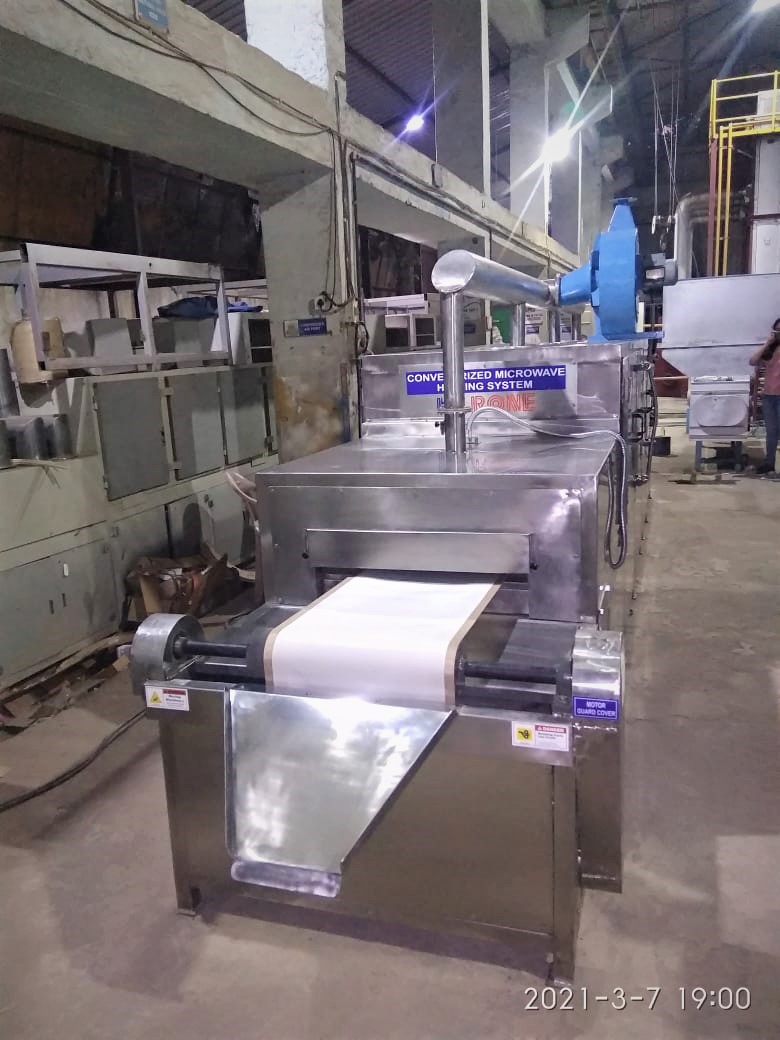
Microwave Heating systems
Click to view high-res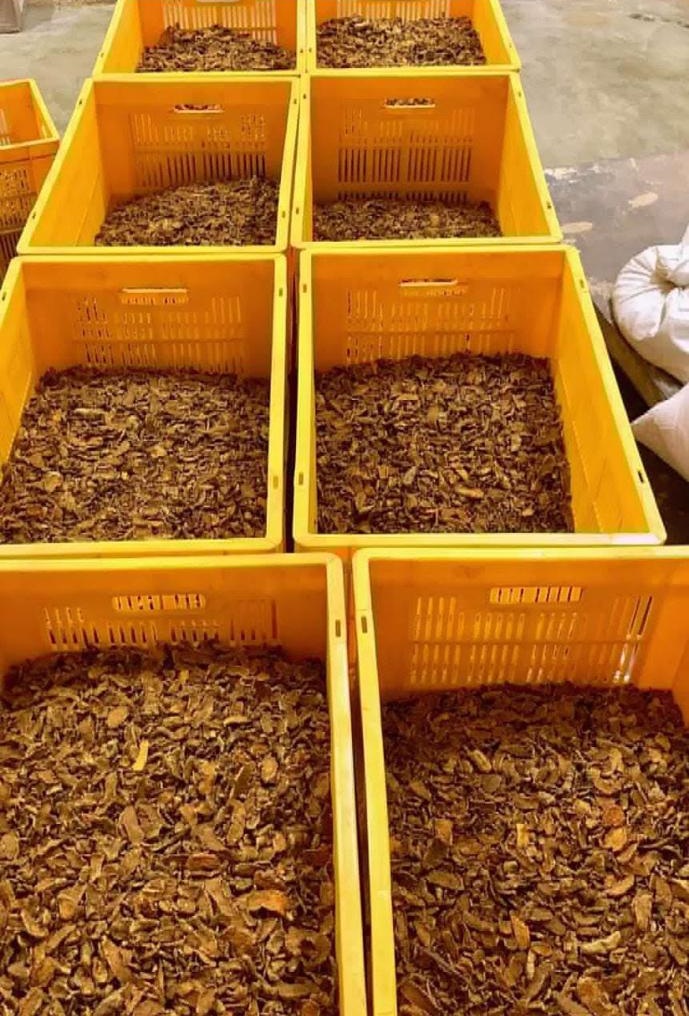
Microwave Heating systems
Click to view high-res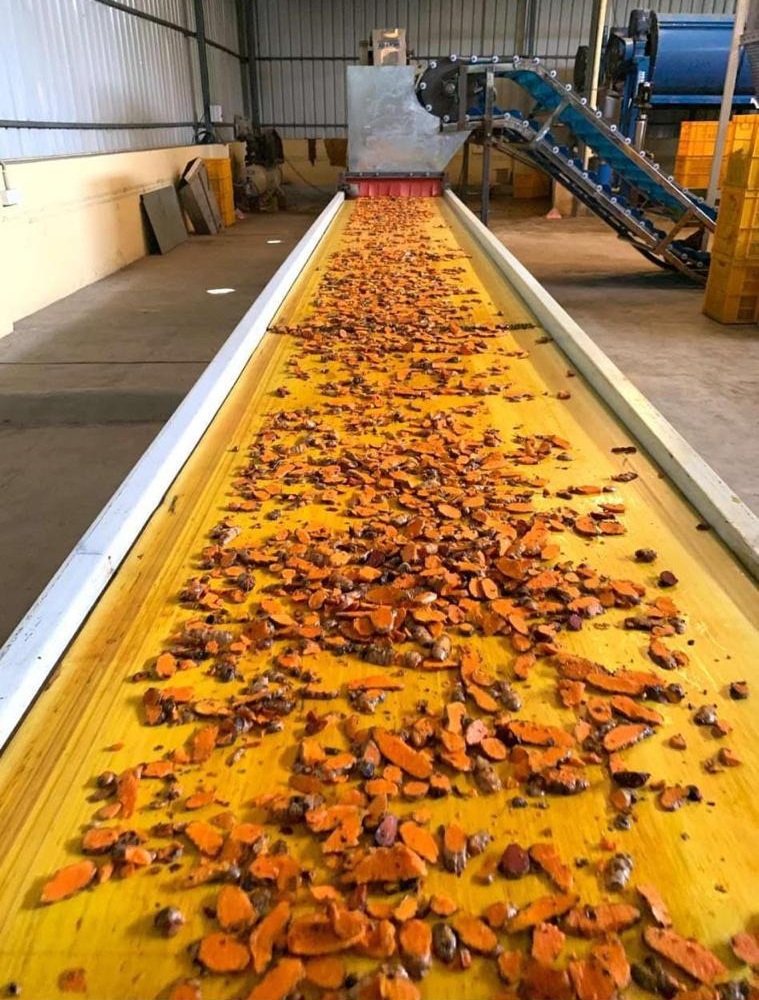
Microwave Heating systems
Click to view high-res50+ Years of Thermal Engineering Leadership.
Since 1976, Kerone Engineering Solutions has delivered over 5,000 custom-engineered thermal and process installations across 50+ countries. In technical collaboration with premier global institutions like CSIR-CEERI and University of Nottingham research partnerships, we design and manufacture high-efficiency machinery that minimizes production downtime and cuts operating expenses.
Unlike standard off-the-shelf equipment suppliers, Kerone operates a complete pilot-scale testing facility at our KRDC Ambernath center. We validate your exact raw material properties — determining moisture sorption isotherms, specific heat capacity, and dielectric behavior — before finalizing equipment sizing, ensuring zero risk during industrial scale-up.
Engineering precision, built into every system.
High Thermal and Processing
High thermal and processing efficiency
Low Maintenance and Easy
Low maintenance and easy operation
Suitable
Suitable for heat-sensitive materials
Fully Adjustable and
Fully adjustable and customizable process parameters
Available in Batch and
Available in batch and continuous configurations
Uniform Processing and
Uniform processing and consistent product quality
Powered by AI, Machine Learning & Smart IoT Integration
Modern industrial processing requires unprecedented thermal precision, energy efficiency, and operational agility. Kerone equips each system with high-speed industrial edge computing controllers, multi-spectral non-contact infrared pyrometry, and proprietary closed-loop machine learning algorithms that continuously analyze process parameters in real time.
The intelligent automation stack monitors dynamic changes in incoming material load, bed thickness, moisture content, and environmental factors. In response, our algorithms dynamically adjust heater power arrays, generator frequency, conveyor drive velocities, and exhaust dampers within milliseconds — entirely eliminating product burn, under-processing, or thermal hotspotting.
Seamlessly integrated with factory-wide SCADA and enterprise ERP architectures via native MQTT, OPC-UA, and Modbus TCP protocols, our systems deliver complete digital recipe control, remote diagnostics, predictive maintenance alerting, and tamper-evident batch logs compliant with global FDA 21 CFR Part 11 and cGMP standards.
Adaptive Heat Modulation
Neural algorithms detect material thermal variations in real time (<50ms response) and tune generator frequency and power arrays automatically.
IoT Cloud Telemetry
Continuous bidirectional telemetry stream via MQTT/OPC-UA protocols directly to centralized plant SCADA, MES, or mobile engineer dashboards.
Predictive Maintenance
Monitors magnetron cathode current, vibration frequency signatures, and differential filter pressure to schedule AMC maintenance before failures occur.
Quality & Batch Traceability
Automated digital recipe execution, multi-stage temperature ramp/soak curves, and cryptographically signed electronic batch logs compliant with 21 CFR Part 11.
Engineered for High-Value Industrial Sectors
Tailored thermal and process configurations across continuous manufacturing lines.
Food industry processing systems
Food industry processing systems
Waste treatment and hazardous mater...
Waste treatment and hazardous material decontamination
Pharmaceutical drying, sterilizatio...
Pharmaceutical drying, sterilization, and granule processing
Ready‑to‑eat (RTE) food production
Ready‑to‑eat (RTE) food production
Specialized heating, drying, or mat...
Specialized heating, drying, or material transformation processes
Industrial material modification an...
Industrial material modification and thermal treatment
Research and development heating fo...
Research and development heating for advanced materials, chemicals, and biological materials
Configured to Your Process Window
Technical parameter envelopes across industrial manufacturing and engineering architectures.
Frequently Asked Questions
Engineering answers regarding equipment sizing, integration, and process performance.
It is used for efficient processing, heating, drying or material transformation.
High efficiency, process reliability and complete customization.
Yes, Kerone offers fully customized engineering solutions.
Food, chemical, pharma, biomass, rubber, textile and more.
Industrial microwave heating primarily uses 915 MHz and 2450 MHz ISM band frequencies. 915 MHz is preferred for large-volume industrial applications due to deeper penetration, while 2450 MHz is standard for most food and laboratory applications.
Microwave heating penetrates deeply into materials for volumetric heating, while infrared only heats surfaces. Microwave is better for thick materials, while infrared is more suitable for thin surface coatings and films.
Fiber-optic probes for internal temperature, infrared sensors for surface temperature, and microwave-compatible thermocouples are used depending on the application requirements.
Food processing, pharmaceuticals, rubber, ceramics, chemicals, and waste treatment industries consistently achieve the most significant benefits from microwave heating adoption.
Kerone designs microwave heating chambers with choke seals and leakage-suppression structures around door openings and conveyor entry and exit points, since these are the most common leakage paths in industrial microwave equipment. Interlocked access doors automatically cut power the moment a door is opened, and leakage levels are verified against applicable safety standards using calibrated survey meters during commissioning and periodic maintenance checks thereafter. Conveyorized continuous systems require particular attention to entry and exit tunnel design, since the product opening cannot be fully sealed like a batch chamber door. Periodic leakage verification should continue throughout the equipment's operating life, not just at installation, since seal degradation over years of operation can gradually increase leakage if not monitored. Operators should never bypass interlock systems even temporarily, regardless of operational convenience, since this is the most common cause of microwave safety incidents.
Magnetron-based generators typically have a service life of 3,000 to 8,000 operating hours before output power degrades enough to warrant replacement, depending on duty cycle and operating power level, making magnetron replacement a recurring operating cost that buyers should budget for. Solid-state generators have substantially longer service life, often exceeding 50,000 hours, and degrade more gracefully with age, though their higher upfront cost needs to be weighed against this longer-term reliability advantage. Waveguide and applicator components require periodic inspection for arcing damage or contamination buildup that can affect power transfer efficiency. Cooling systems for both generator types need regular filter and coolant maintenance, since overheating accelerates component degradation. Buyers comparing magnetron and solid-state options should evaluate total cost of ownership over the equipment's expected life, not just initial purchase price, given the significant difference in maintenance frequency between the two technologies.
Bulk metal objects are generally unsuitable for direct microwave heating since metal reflects rather than absorbs microwave energy and can cause arcing or damage to the equipment, though thin metal components in specific controlled configurations are sometimes used deliberately for localized heating effects. Materials with very low moisture or dielectric loss factor heat slowly or unevenly under microwave energy alone, since microwave heating relies on the material's ability to absorb electromagnetic energy through dielectric and ionic mechanisms. Materials with highly variable moisture distribution can heat unevenly, since wetter regions absorb microwave energy faster than drier regions, potentially creating hot spots. Some materials are sensitive to the rapid, volumetric heating microwave systems provide and may benefit from hybrid approaches combining microwave with convective heating for more controlled temperature ramp rates. Kerone evaluates material dielectric properties during the feasibility stage to confirm microwave heating is the appropriate technology before proceeding with system design.
A persistent misconception is that industrial microwave heating poses the same radiation exposure concerns as poorly understood consumer anxieties about microwave ovens, when properly designed and maintained industrial systems with interlocked doors and choke seals operate well within established safety exposure limits. Another misconception is that microwave heating makes food or materials radioactive or fundamentally alters them beyond the thermal effect itself, which has no scientific basis since microwave heating is purely a thermal energy transfer mechanism. Some buyers assume microwave systems require frequent specialized technician visits for routine operation, when properly trained in-house staff can typically operate and perform basic maintenance after initial training, with technician visits reserved for major component replacement or troubleshooting unusual issues. Addressing these misconceptions directly with technical buyers and their broader organizational stakeholders, including plant safety committees, is often necessary before approving microwave technology adoption.
Magnetron-based generators have lower upfront equipment cost but shorter service life, requiring periodic magnetron replacement as a recurring operating expense, and their output power and frequency can drift somewhat over the component's life. Solid-state generators cost more initially but offer substantially longer service life, more precise and stable power control, and the ability to monitor and adjust individual power amplifier modules rather than replacing an entire magnetron tube. Solid-state systems also generally offer faster power ramp response and more granular control, which benefits applications requiring precise process control. For high-volume continuous production where downtime for magnetron replacement is costly, solid-state technology's reliability advantage often justifies the higher initial investment. For lower-duty-cycle or budget-constrained applications, magnetron-based systems remain a practical and proven choice, particularly where the application doesn't demand the precision control advantages solid-state technology offers.
Microwave heating's volumetric energy transfer mechanism heats material directly rather than heating air or surfaces first, which typically reduces total energy consumption compared to convective gas or electric heating for moisture-sensitive or heat-sensitive materials where conventional methods would otherwise require longer dwell times or lower temperatures to avoid surface damage. Processing time reductions from microwave's faster heating rate also translate into higher throughput per unit of floor space and labor hour. However, electricity costs per kilowatt-hour are typically higher than natural gas costs in many regions, which can offset some of the efficiency advantage in pure energy cost terms even when total energy consumption is lower. The most favorable economics for microwave heating typically occur in applications where conventional heating struggles with quality, uniformity, or processing time, since the value proposition extends well beyond simple energy cost comparison into product quality and throughput improvements.
Batch configurations suit lower production volumes, frequent product changeovers, research and development trials, and applications where dwell time needs precise control for each discrete load. Continuous configurations suit high-volume, consistent product streams where steady-state throughput matters more than per-batch flexibility, and where conveyorized material handling integrates naturally with upstream and downstream processing equipment. The decision depends primarily on production volume and product variety rather than the microwave technology itself, since both configurations use the same underlying heating physics. Many manufacturers start with a batch system during product and process development, then transition to a continuous system once the formulation and process parameters are validated and production volume justifies the higher capital investment and reduced flexibility of dedicated continuous equipment. Kerone evaluates expected volume, product variety, and growth trajectory when recommending which configuration best fits a specific application.

Let’s Engineer the Right Process.
From application trials to full-scale production systems, our engineering team works with you to develop the right thermal processing solution for your material, throughput, and production requirements.