Tunnel Dryer
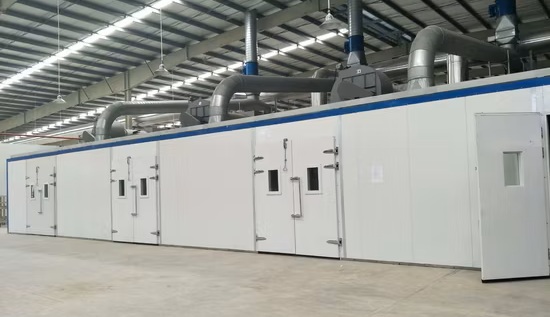
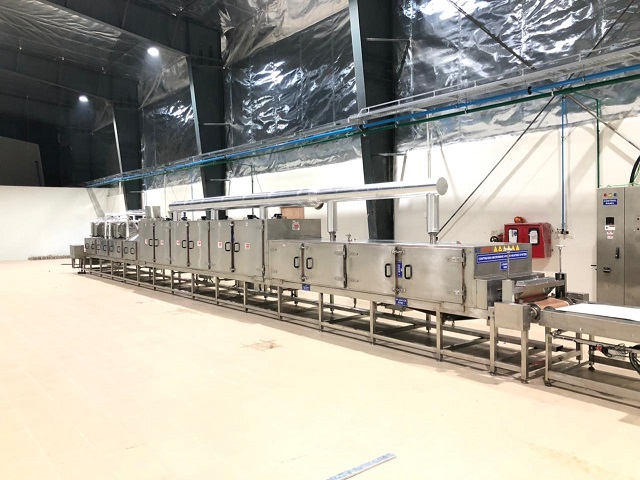
A Tunnel Dryer is a continuous industrial drying system in which product is transported through a long, enclosed drying tunnel on carts, conveyor belts, hanging frames, or other carriers, while drying air is circulated through the tunnel to remove moisture from the product as it progresses from the wet inlet to the dry outlet.
Engineered precision for Tunnel Dryer.
A Tunnel Dryer is a continuous industrial drying system in which product is transported through a long, enclosed drying tunnel on carts, conveyor belts, hanging frames, or other carriers, while drying air is circulated through the tunnel to remove moisture from the product as it progresses from the wet inlet to the dry outlet. The tunnel format provides a large effective drying length within a relatively compact footprint through the use of an elongated drying path, and the ability to design multiple independently controlled temperature and humidity zones along the tunnel length allows the drying conditions to be precisely tailored to the moisture-release characteristics of the specific product. Tunnel dryers are used for an extremely wide range of products including food items (fruits, vegetables, pasta, meat products, crackers), pharmaceutical granules, ceramics, bricks, tiles, wood products, textiles, and agricultural materials.
At Kerone, we manufacture various type of tunnel of varying shapes and sizes, with different tunnel construction, size of tunnel and tray capacity, length of tunnel, conveyer speed (Adjustable), rate of circulation of air, control panel and etc. Tunnel dryers are enhancement to the tray dryers, it makes the trays mobile.
The material to be dried are fed from one end in the air heated tunnel for drying and collected from the other end. The name is derived due to its construction which looks like tunnel. In tunnel dryer based on the selection of technology the drying process can be completed while material transfers through tunnel. The source of heating can be of 1) Hot air circulation 2) Infrared 3) Microwave or 4) Radio frequency.
Our advanced AI, ML, and IoT technologies, this solution delivers smarter automation, real-time insights, and predictive intelligence to enhance efficiency and drive future-ready growth.
Continuous tracking of process parameters with instant adjustments.
The thermodynamic architecture of our Tunnel Dryer incorporates advanced thermal modeling and computational fluid dynamics (CFD) to ensure optimal heat and mass transfer across the entire processing zone. By precisely controlling thermal gradients, air velocity profiles, and direct energy delivery mechanisms, the system achieves uniform treatment while preventing localized overheating, product degradation, or thermal stress. This balance of intensive heat transfer and controlled retention time ensures maximum operational throughput with minimal specific energy consumption.
Built with heavy-duty structural engineering and sanitary metallurgy, each unit is manufactured to withstand continuous 24/7 industrial operating conditions. Contact surfaces are finished in high-grade stainless steel (SS 304, SS 316L, or corrosion-resistant alloys) with sanitary mirror-polish options, CIP/SIP washdown provisions, and hermetic chamber sealing. This guarantees full compliance with stringent international hygiene, CE machinery directives, and cGMP standards across food, pharmaceutical, specialty chemical, and heavy manufacturing applications.
Proprietary control algorithms ensure strict process repeatability, while built-in safety interlocks and electromagnetic shielding comply with international CE and OSHA standards. Full process development support — including material loss tangent testing, moisture sorption isotherms, and pilot trials at our Ambernath R&D facility — ensures the selected technology matches your exact industrial throughput goals.
Product & Systems Gallery
Explore authentic high-resolution photographs of industrial machinery, pilot trial rigs, and continuous turnkey processing installations engineered by Kerone Engineering Solutions for Tunnel Dryer. Each system is fabricated at our ISO 9001:2015 certified manufacturing facilities with precision laser cutting, robotic welding, and stringent Factory Acceptance Testing (FAT).
Tunnel Dryer
Click to view high-res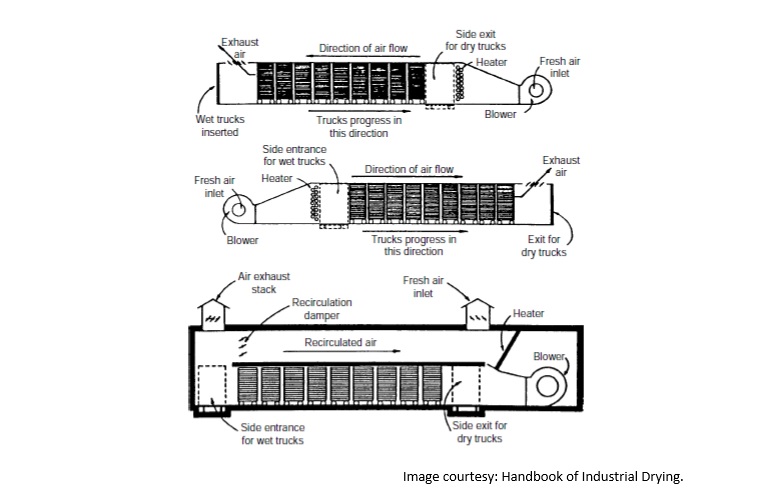
Tunnel Dryer
Click to view high-res
Tunnel Dryer
Click to view high-res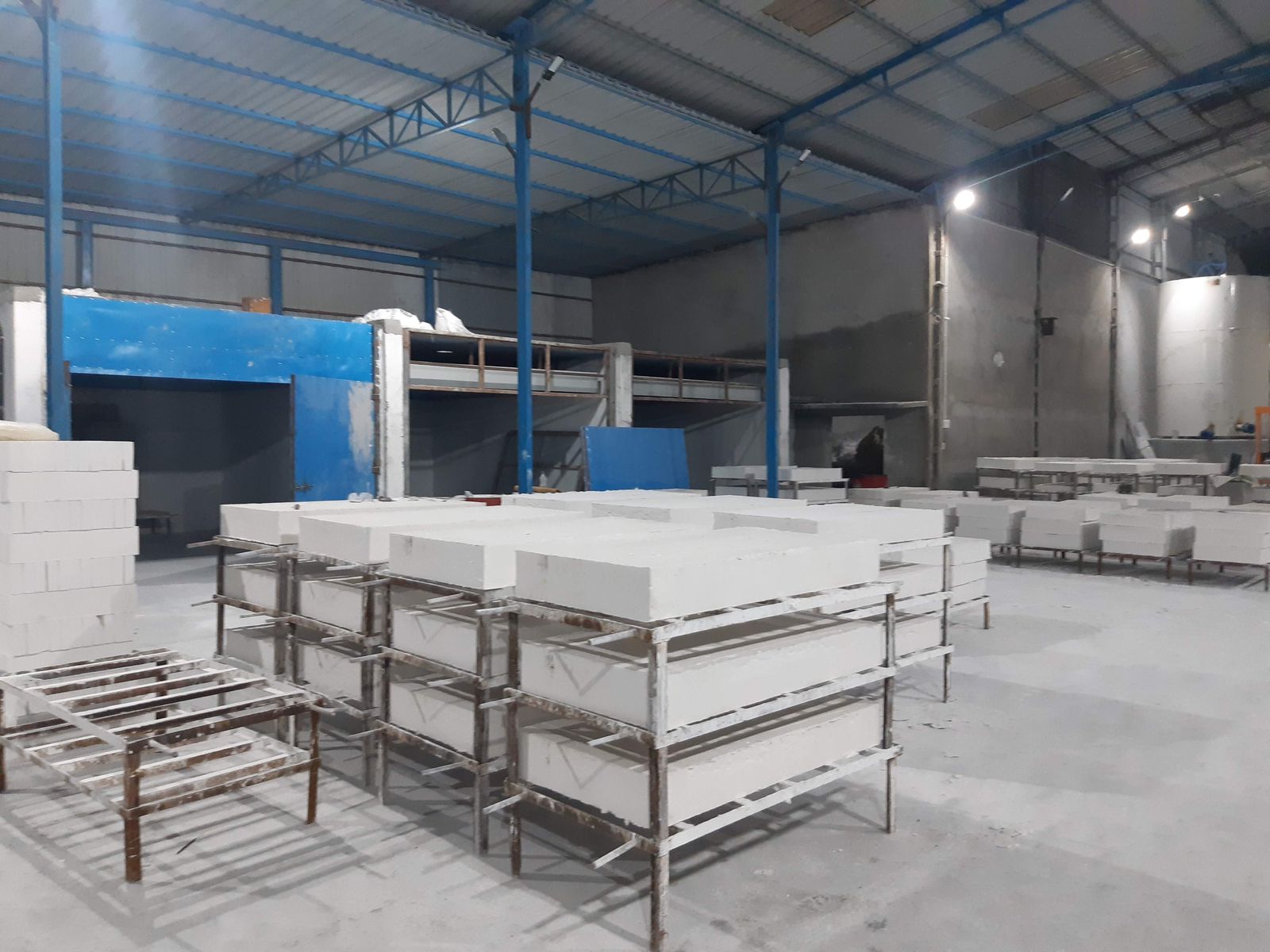
Tunnel Dryer
Click to view high-res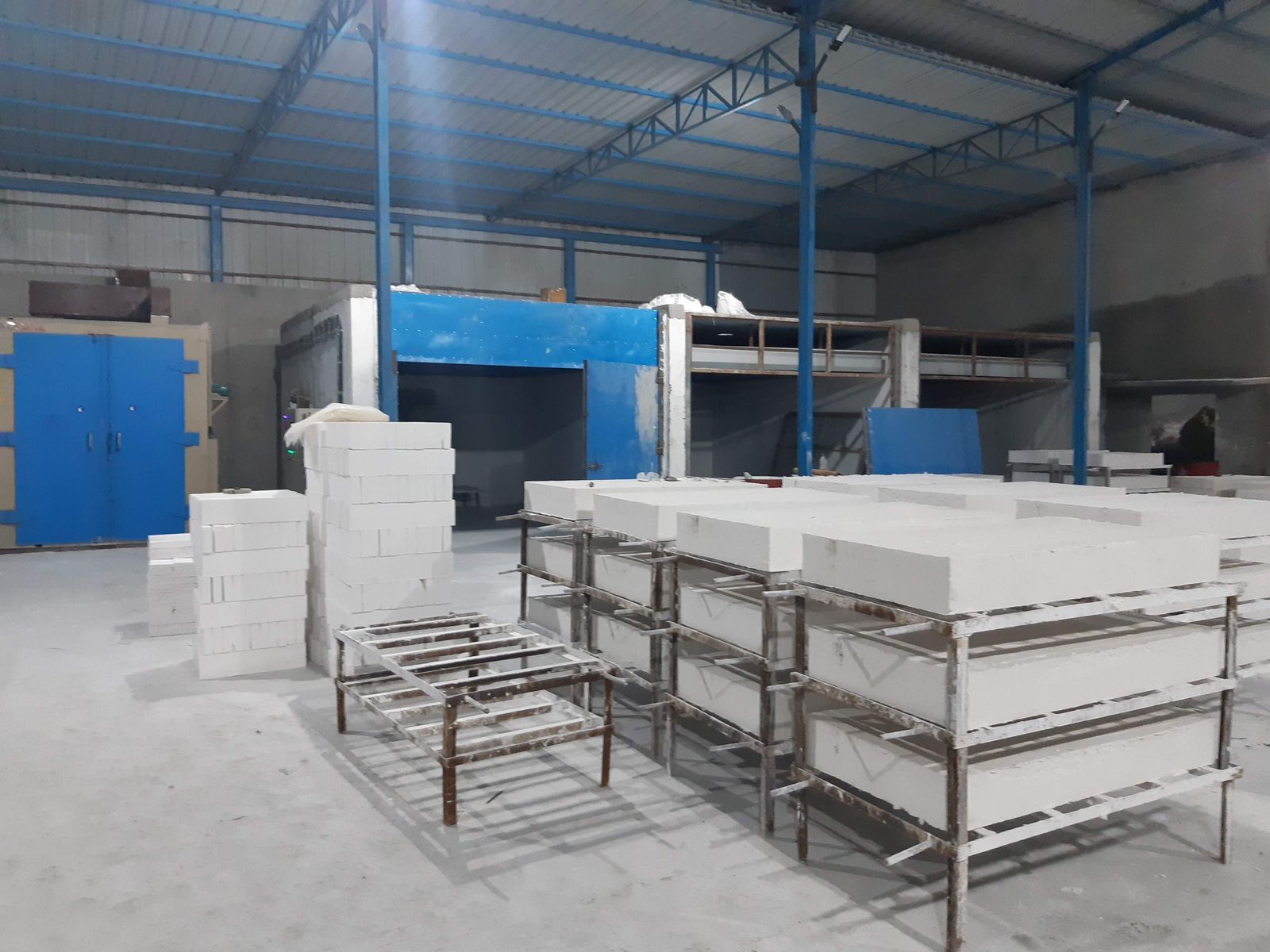
Tunnel Dryer
Click to view high-res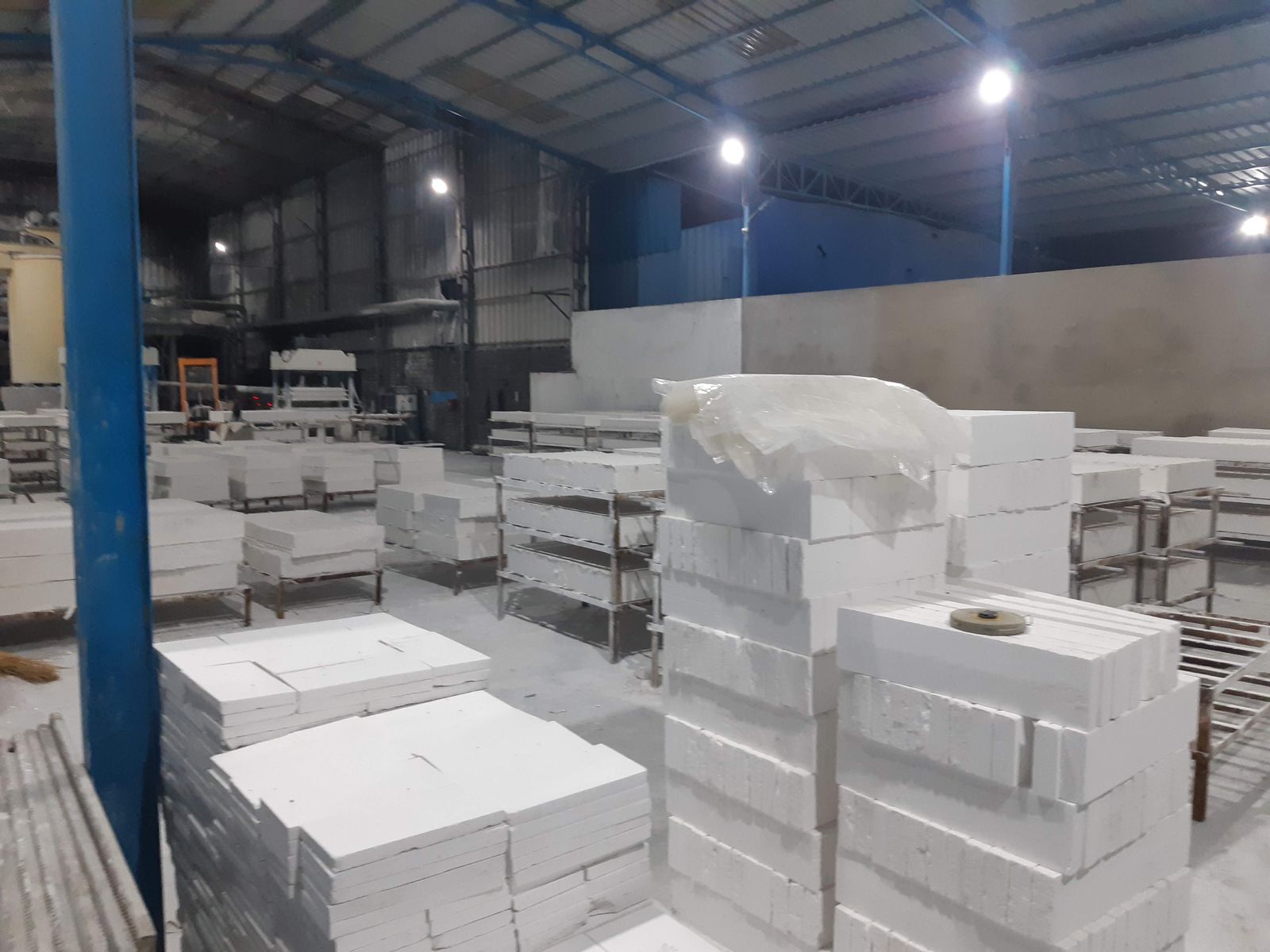
Tunnel Dryer
Click to view high-res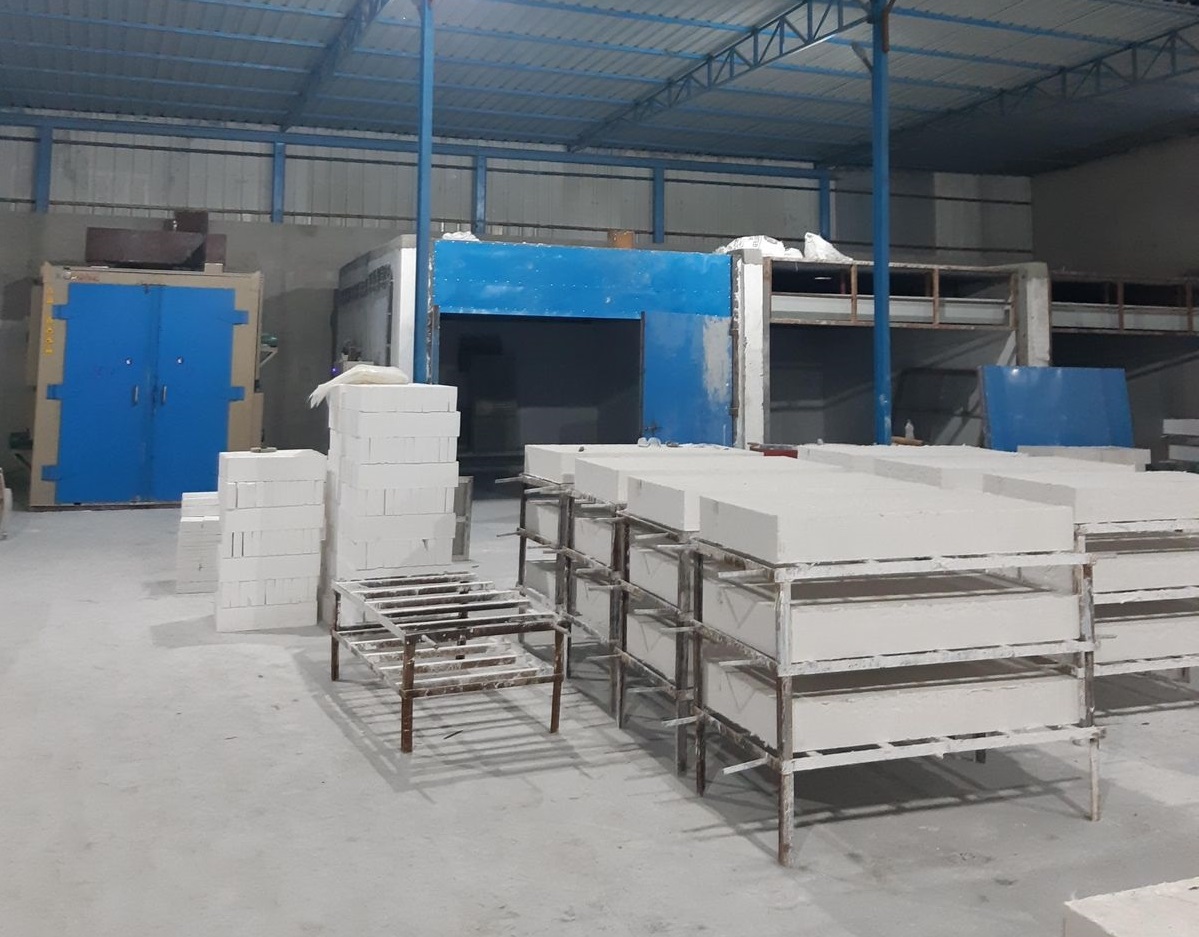
Tunnel Dryer
Click to view high-res50+ Years of Thermal Engineering Leadership.
Since 1976, Kerone Engineering Solutions has delivered over 5,000 custom-engineered thermal and process installations across 50+ countries. In technical collaboration with premier global institutions like CSIR-CEERI and University of Nottingham research partnerships, we design and manufacture high-efficiency machinery that minimizes production downtime and cuts operating expenses.
Unlike standard off-the-shelf equipment suppliers, Kerone operates a complete pilot-scale testing facility at our KRDC Ambernath center. We validate your exact raw material properties — determining moisture sorption isotherms, specific heat capacity, and dielectric behavior — before finalizing equipment sizing, ensuring zero risk during industrial scale-up.
Engineering precision, built into every system.
High Drying Efficiency
High drying efficiency with precise temperature regulation.
Custom-built
Custom-built for specific material characteristics and moisture levels.
Energy-saving Design
Energy-saving design with optimized air circulation and heat recovery.
Fully Automatic Operation
Fully automatic operation with real-time process monitoring.
Durable Stainless Steel Construction
Durable stainless steel construction for hygiene and longevity.
Uniform Drying
Uniform drying with minimal product degradation or discoloration.
Suitable
Suitable for continuous and batch processing modes.
User-friendly Interface
User-friendly interface with programmable control systems.
Powered by AI, Machine Learning & Smart IoT Integration
Modern industrial processing requires unprecedented thermal precision, energy efficiency, and operational agility. Kerone equips each system with high-speed industrial edge computing controllers, multi-spectral non-contact infrared pyrometry, and proprietary closed-loop machine learning algorithms that continuously analyze process parameters in real time.
The intelligent automation stack monitors dynamic changes in incoming material load, bed thickness, moisture content, and environmental factors. In response, our algorithms dynamically adjust heater power arrays, generator frequency, conveyor drive velocities, and exhaust dampers within milliseconds — entirely eliminating product burn, under-processing, or thermal hotspotting.
Seamlessly integrated with factory-wide SCADA and enterprise ERP architectures via native MQTT, OPC-UA, and Modbus TCP protocols, our systems deliver complete digital recipe control, remote diagnostics, predictive maintenance alerting, and tamper-evident batch logs compliant with global FDA 21 CFR Part 11 and cGMP standards.
Adaptive Heat Modulation
Neural algorithms detect material thermal variations in real time (<50ms response) and tune generator frequency and power arrays automatically.
IoT Cloud Telemetry
Continuous bidirectional telemetry stream via MQTT/OPC-UA protocols directly to centralized plant SCADA, MES, or mobile engineer dashboards.
Predictive Maintenance
Monitors magnetron cathode current, vibration frequency signatures, and differential filter pressure to schedule AMC maintenance before failures occur.
Quality & Batch Traceability
Automated digital recipe execution, multi-stage temperature ramp/soak curves, and cryptographically signed electronic batch logs compliant with 21 CFR Part 11.
Engineered for High-Value Industrial Sectors
Tailored thermal and process configurations across continuous manufacturing lines.
Food Industry
Drying of fish, seafood, spices, fruits, and vegetables.
Pharmaceutical
Moisture control for herbal extracts and powders.
Chemical
Drying of compounds, catalysts, and pigments.
Agriculture
Processing of seeds, grains, and herbs.
Industrial
Dehydration of materials requiring uniform temperature distribution.
Configured to Your Process Window
Technical parameter envelopes across industrial manufacturing and engineering architectures.
Frequently Asked Questions
Engineering answers regarding equipment sizing, integration, and process performance.
A tunnel dryer is a high-performance system designed for uniform drying of materials through controlled heat and airflow.
It operates by circulating heated air or energy through the material, ensuring even moisture evaporation and high throughput.
They provide faster drying, energy savings, and consistent product quality.
Industries such as food, chemical, and pharmaceutical widely use these dryers.
Yes, Kerone’s designs are fully customizable based on process requirements.
Yes, these dryers offer precise temperature control to protect sensitive products.
The system is designed to minimize energy waste and optimize heat utilization.
Tunnel dryers range from as short as 5 m for pilot-scale systems to over 150 m for large ceramic or brick production dryers; the required length depends on product moisture reduction, allowable product temperature, and desired throughput.
Counter-current drying means the drying air flows in the opposite direction to the product movement, so the hottest, driest air meets the driest product at the exit and the coolest, most humid air meets the wettest product at the inlet — this is thermally efficient and gentle for heat-sensitive products.
Yes, Kerone designs food-grade tunnel dryers with stainless steel interiors, hygienic belt systems, and clean-in-place capability; sanitary design principles are applied to all product-contact surfaces and air distribution systems.
In counter-flow operation, drying air moves in the opposite direction to product travel, so the hottest, driest air meets the nearly finished product near the exit while the coolest, most humid air meets the wettest product at the inlet â this arrangement is thermally efficient and gentle on heat-sensitive products since they're never exposed to the harshest drying conditions. Parallel-flow runs air and product in the same direction, exposing wet product to the hottest air immediately, which speeds initial moisture removal but risks surface hardening or case-hardening on some products. Combined-flow uses different airflow directions in different zones along the tunnel to balance these effects. The right arrangement depends on the product's specific moisture release behavior and heat tolerance.
The number of zones depends on how the specific product's moisture-release rate changes as drying progresses, since most materials dry faster at the start when surface moisture is abundant and slower later as internal moisture must migrate to the surface. A simple, robust product might need only two or three zones, while delicate food items or pharmaceutical granules with complex drying curves may benefit from five or more zones, each with independently tuned temperature and humidity. More zones allow more precise tailoring of the drying profile to the product's actual behavior, but each additional zone adds capital cost and control complexity, so Kerone balances zone count against the product's actual sensitivity to over- or under-drying at each stage.
Yes, tunnel dryers can be configured with hot air circulation, infrared, microwave, or radio frequency heating, and selecting the right technology depends on the product's drying mechanism and how it absorbs energy. Hot air remains the most common and economical choice for general-purpose drying. Infrared works well for surface drying and rapid moisture removal from thin products. Microwave and radio frequency heating penetrate the product volume rather than relying solely on surface heat transfer, which can dry thicker or denser materials more evenly and faster, though at higher equipment and operating cost. Kerone selects or combines these technologies based on the product's thermal absorption characteristics and drying speed requirements.
Product can move through a tunnel dryer on carts, conveyor belts, or hanging frames, and the right choice depends on the product's shape, fragility, and how it needs to be loaded and unloaded. Conveyor belts suit free-flowing or robust items that can sit directly on a moving surface without damage. Carts allow batch-style loading flexibility within an otherwise continuous tunnel, useful when products need to be prepared on trays before entering. Hanging frames suit products like certain meat or textile items where airflow needs to reach all sides without a supporting surface blocking part of the product. Each carrier system also affects how easily the tunnel interior can be cleaned between production runs.
Tunnel length directly determines the total drying time available at a given conveyor speed, since a longer tunnel gives product more time in the controlled drying environment before reaching the outlet. This means buyers needing high throughput with longer drying times must either accept a longer physical tunnel or compensate with more intensive heating in a shorter length, which carries its own tradeoffs in energy use and product quality. Tunnel lengths can range from compact pilot-scale units of a few meters up to very long industrial systems exceeding 100 meters for high-volume ceramic, brick, or food production. Plant layout constraints often shape this decision as much as the drying requirement itself, so Kerone considers available floor space alongside throughput targets.
Let’s Engineer the Right Process.
From application trials to full-scale production systems, our engineering team works with you to develop the right thermal processing solution for your material, throughput, and production requirements.