Microwave Heating Dryer
Kerone’s Microwave Industrial dryers can comply with drying requisite of almost every types of industrial applications, those who demands high level off accuracy, lowest response time, environmental friendly solution, at higher efficiency level.
Engineered precision for Microwave Heating Dryer.
Kerone’s Microwave Industrial dryers can comply with drying requisite of almost every types of industrial applications, those who demands high level off accuracy, lowest response time, environmental friendly solution, at higher efficiency level. Accuracy and Time have become the key driver of today’s industrial process requirement.
Microwave based industrial dryers have been answer to many of such industrial drying application, it utilises high frequency electromagnetic waves that penetrates through the material and results in mobilising the molecules from within which helps in achieving the goal of drying at very faster rate.
As an industry leader with over 50 years of engineering expertise, Kerone designs and manufactures state-of-the-art microwave heating dryer systems that ensure precision, reliability, and superior drying performance. These dryers leverage advanced microwave heating technology to achieve faster, more uniform, and energy-efficient drying for a wide range of industrial materials.
Microwave is not a type of heat, rather it’s a form of energy that are exhibited as heat by the means if their interaction with the material. It results in material to heat themselves, the mechanism of energy conversion used is dipole rotation. e. they are randomly oriented being in relaxed (zero) state.
When electromagnetic field (Microwave) induced it causes stress on the molecules to bring them in alignment, as the electromagnetic field changes its polarity decaying towards zero the diploes returns to relaxed state orientation only to be pulled toward alignment again as the electromagnetic field reaches to its reverse polarity.
This changing of polarities in electromagnetic field, takes place in millions of time every second and causes the dipoles equally to align and relax millions of times per second. This change in state of dipoles results in the conversion of energy from stored potential energy to thermal energy.
A typical microwave drying system consists of the following major components:
Being a pioneer in providing heating, cooling, and drying solutions, KERONE consistently delivers high-quality products integrated with the latest technology to meet specialized client requirements at affordable costs. Based on specific application needs, we offer various types of industrial microwave dryers.
The thermodynamic architecture of our Microwave Heating Dryer incorporates advanced thermal modeling and computational fluid dynamics (CFD) to ensure optimal heat and mass transfer across the entire processing zone. By precisely controlling thermal gradients, air velocity profiles, and direct energy delivery mechanisms, the system achieves uniform treatment while preventing localized overheating, product degradation, or thermal stress. This balance of intensive heat transfer and controlled retention time ensures maximum operational throughput with minimal specific energy consumption.
Built with heavy-duty structural engineering and sanitary metallurgy, each unit is manufactured to withstand continuous 24/7 industrial operating conditions. Contact surfaces are finished in high-grade stainless steel (SS 304, SS 316L, or corrosion-resistant alloys) with sanitary mirror-polish options, CIP/SIP washdown provisions, and hermetic chamber sealing. This guarantees full compliance with stringent international hygiene, CE machinery directives, and cGMP standards across food, pharmaceutical, specialty chemical, and heavy manufacturing applications.
Proprietary control algorithms ensure strict process repeatability, while built-in safety interlocks and electromagnetic shielding comply with international CE and OSHA standards. Full process development support — including material loss tangent testing, moisture sorption isotherms, and pilot trials at our Ambernath R&D facility — ensures the selected technology matches your exact industrial throughput goals.
Product & Systems Gallery
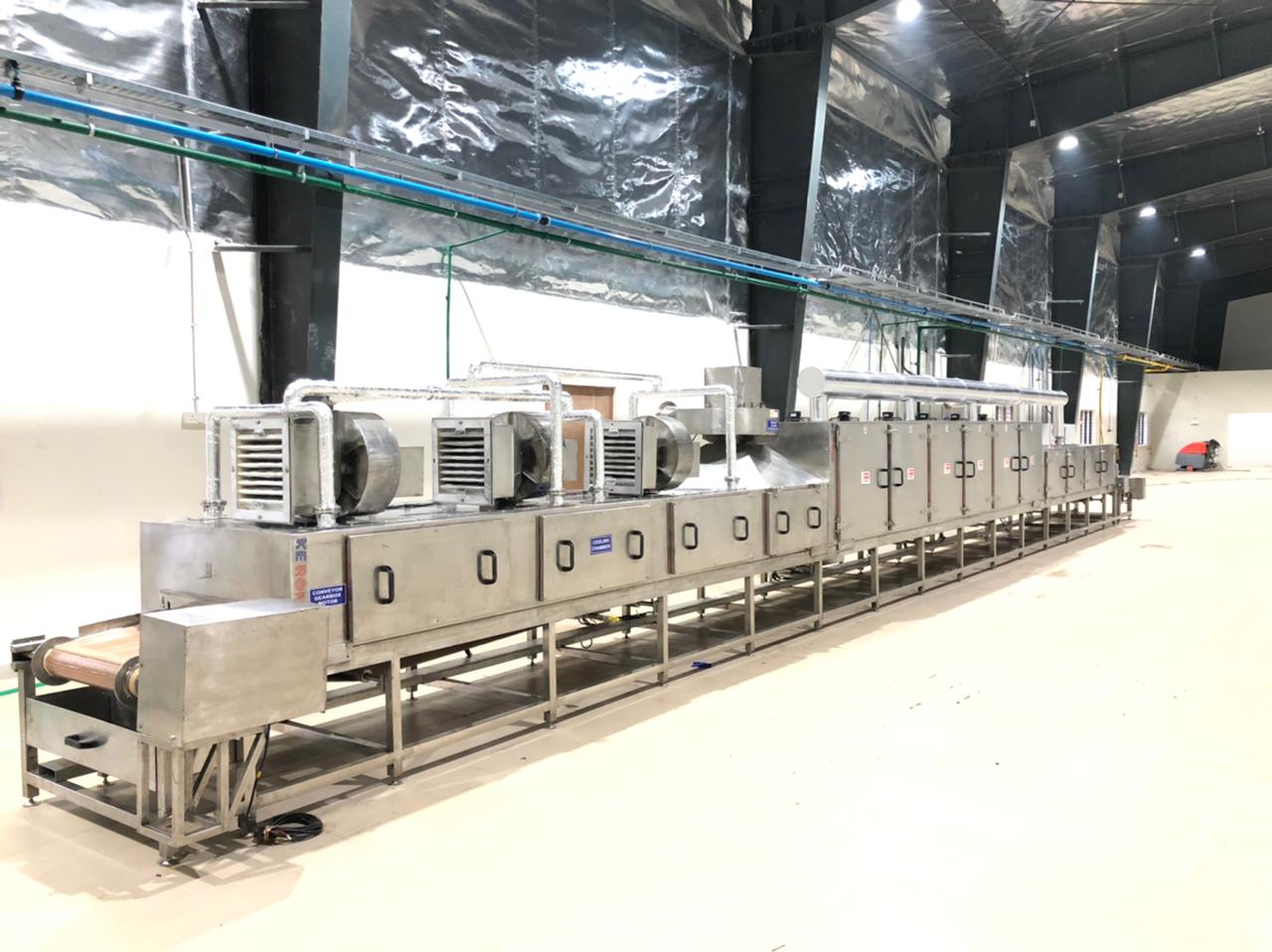
Explore authentic high-resolution photographs of industrial machinery, pilot trial rigs, and continuous turnkey processing installations engineered by Kerone Engineering Solutions for Microwave Heating Dryer. Each system is fabricated at our ISO 9001:2015 certified manufacturing facilities with precision laser cutting, robotic welding, and stringent Factory Acceptance Testing (FAT).
Microwave Heating Dryer
Click to view high-res
Microwave Heating Dryer
Click to view high-res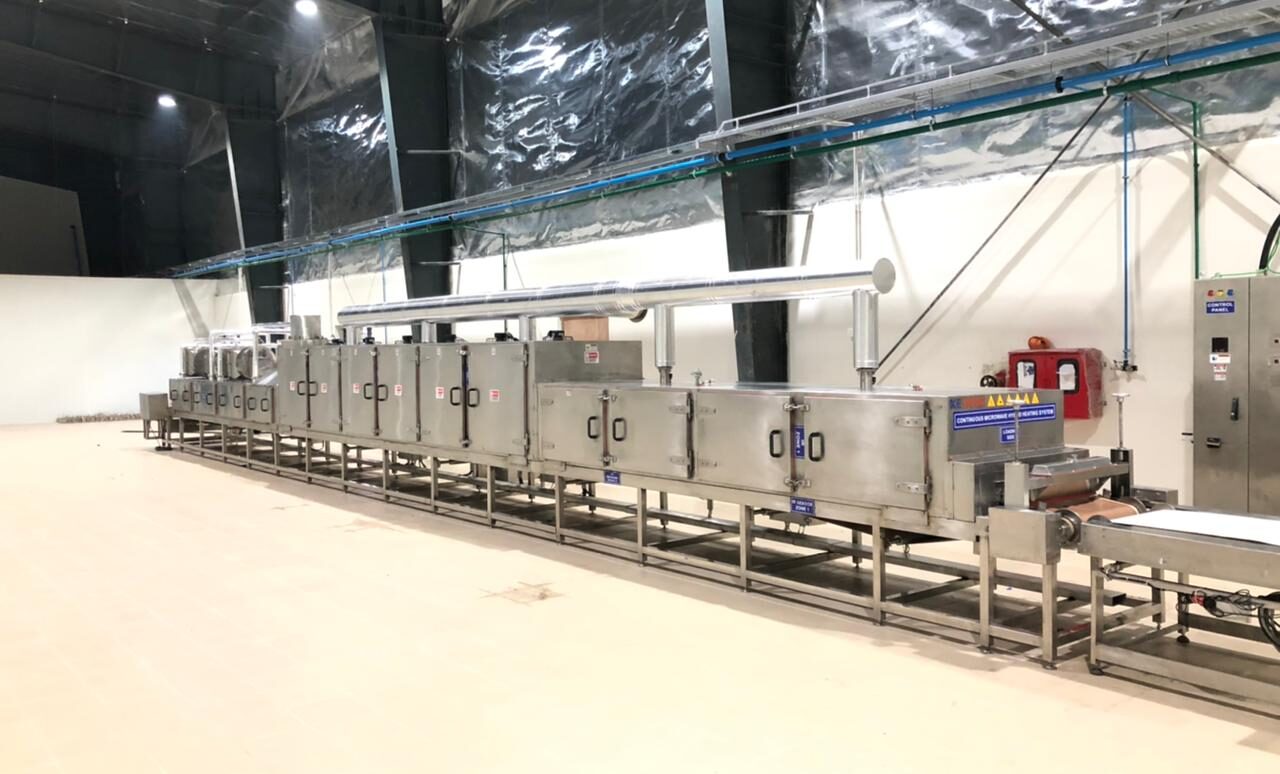
Microwave Heating Dryer
Click to view high-res
Microwave Heating Dryer
Click to view high-res
Microwave Heating Dryer
Click to view high-res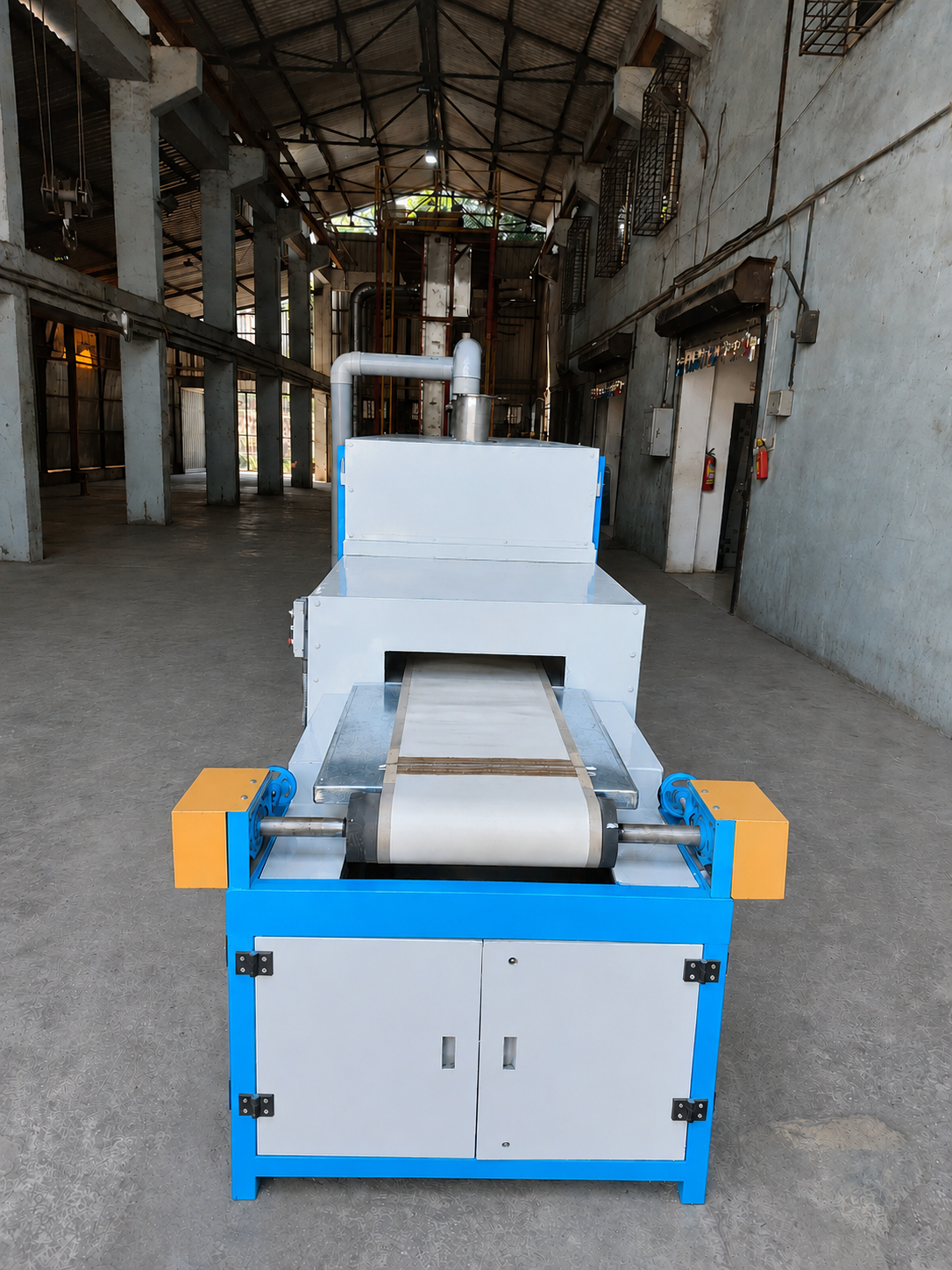
Microwave Heating Dryer
Click to view high-res
Microwave Heating Dryer
Click to view high-res
Microwave Heating Dryer
Click to view high-res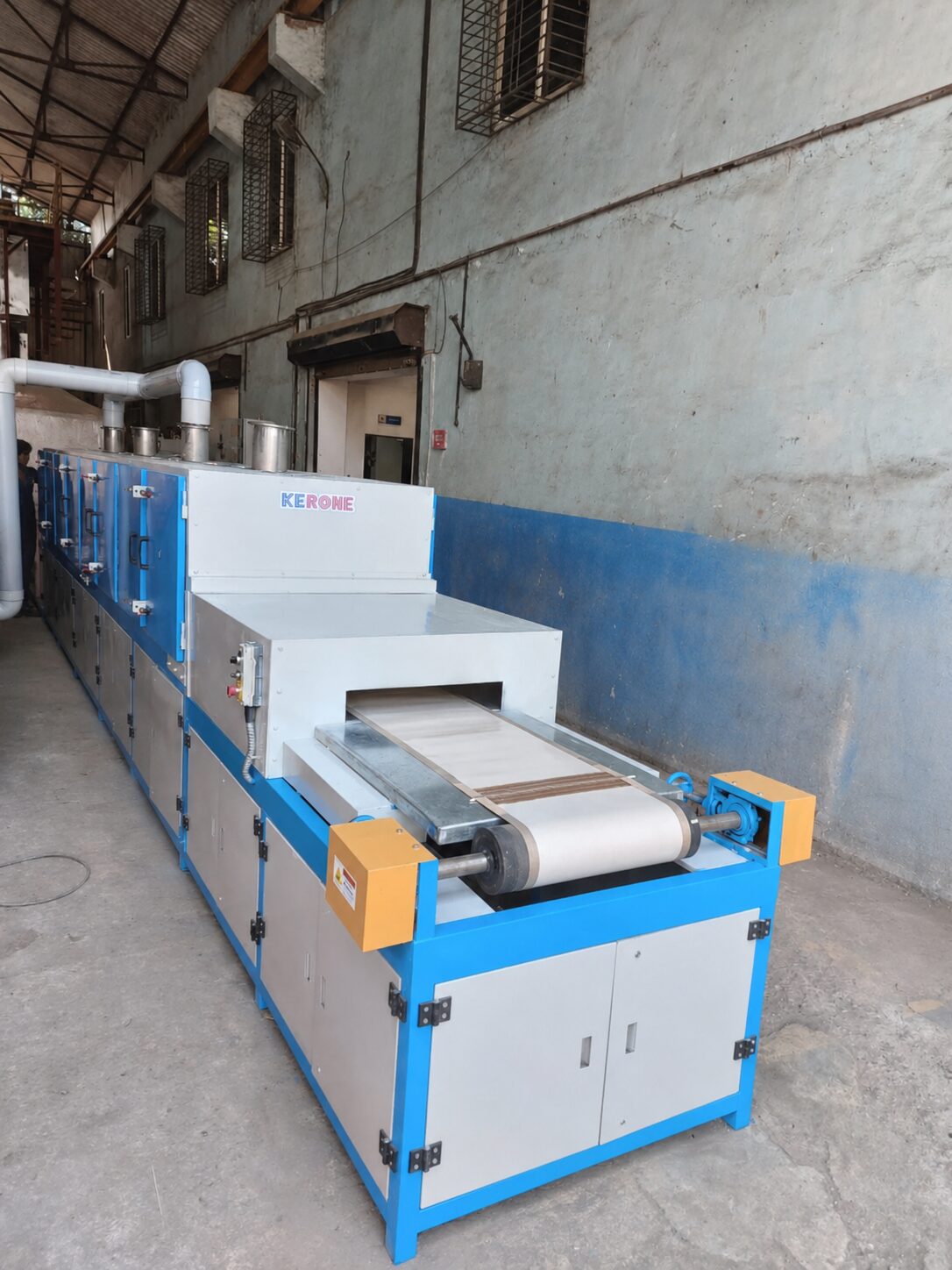
Microwave Heating Dryer
Click to view high-res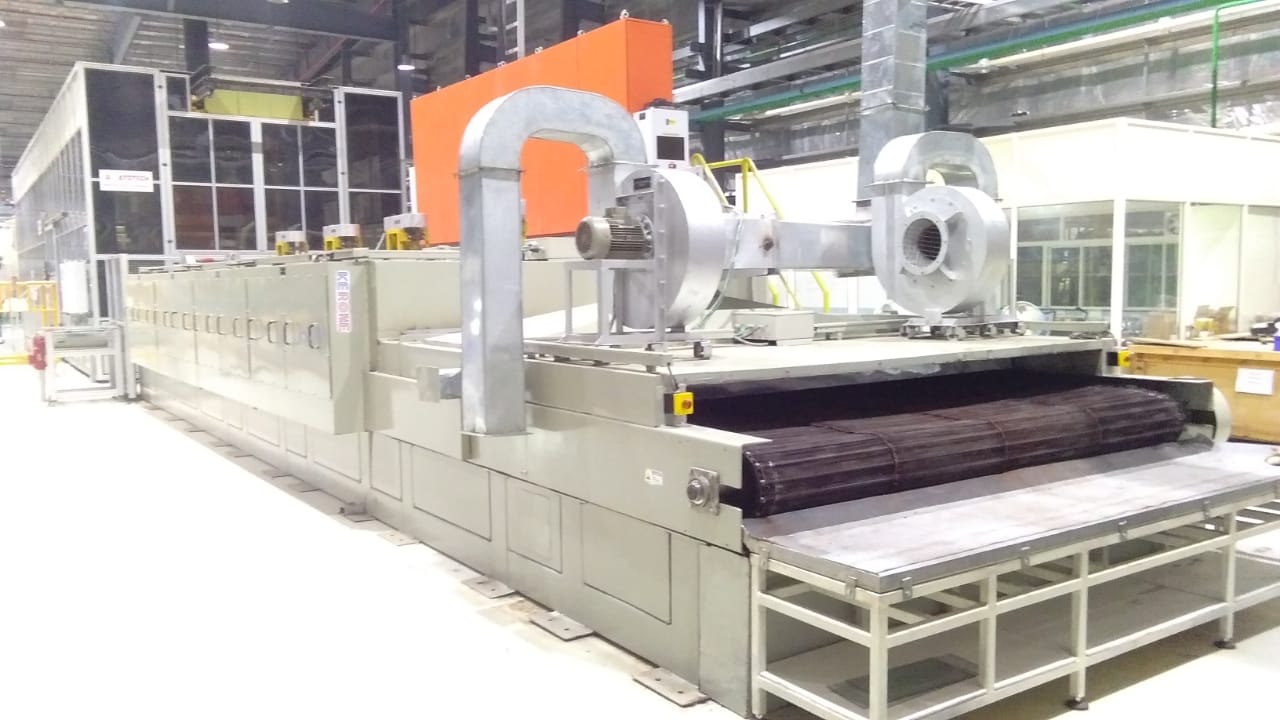
Microwave Heating Dryer
Click to view high-res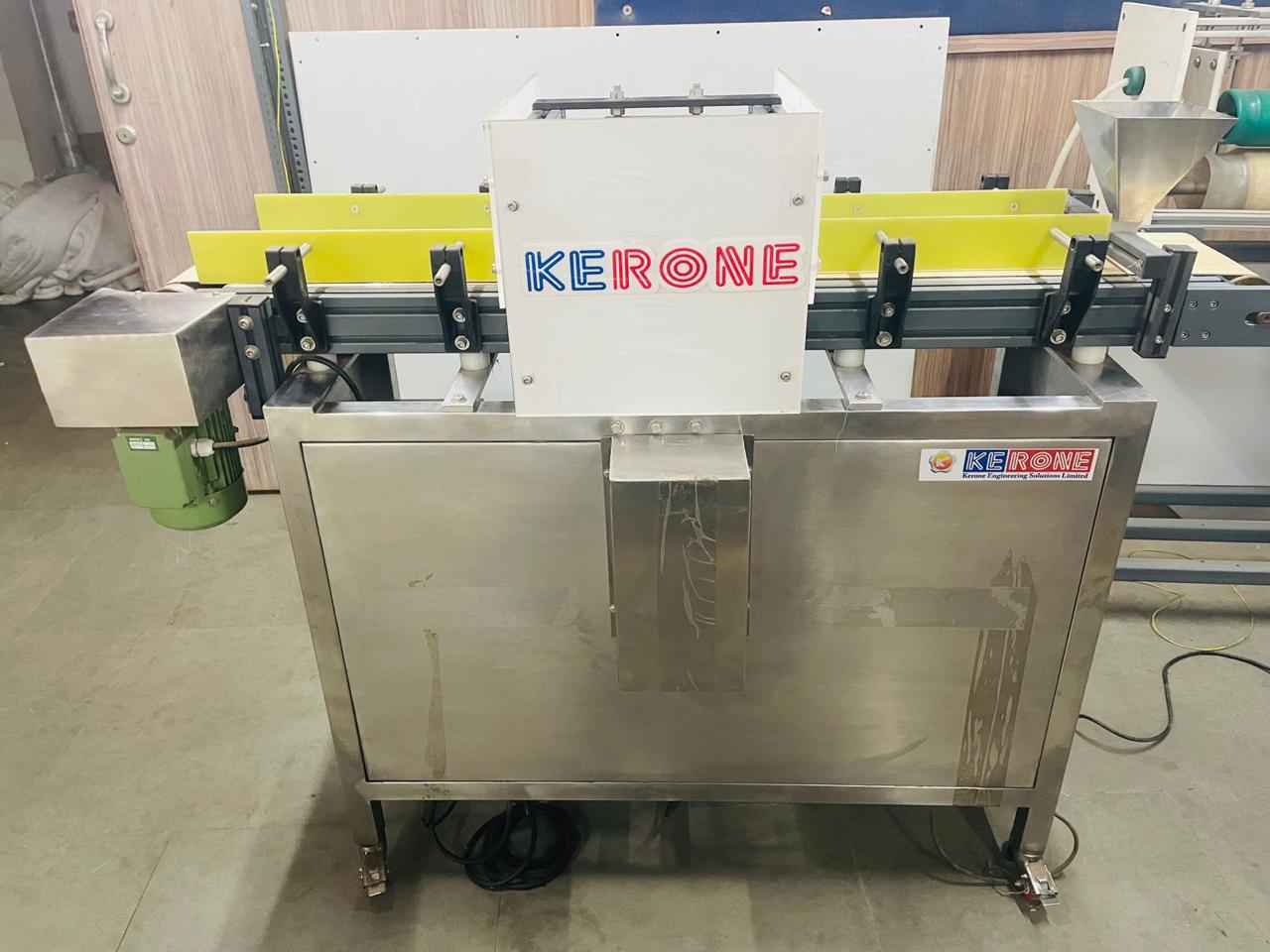
Microwave Heating Dryer
Click to view high-res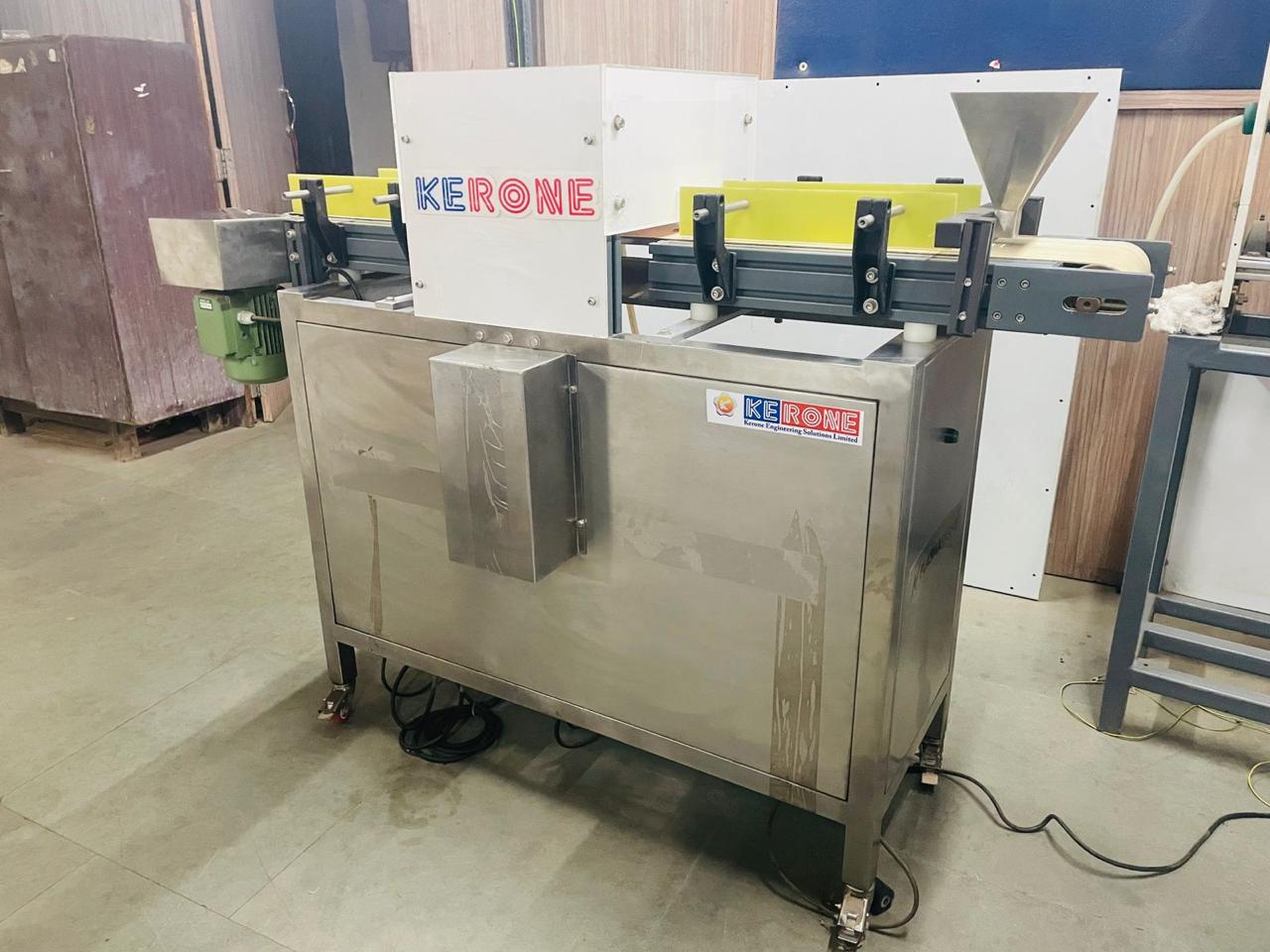
Microwave Heating Dryer
Click to view high-res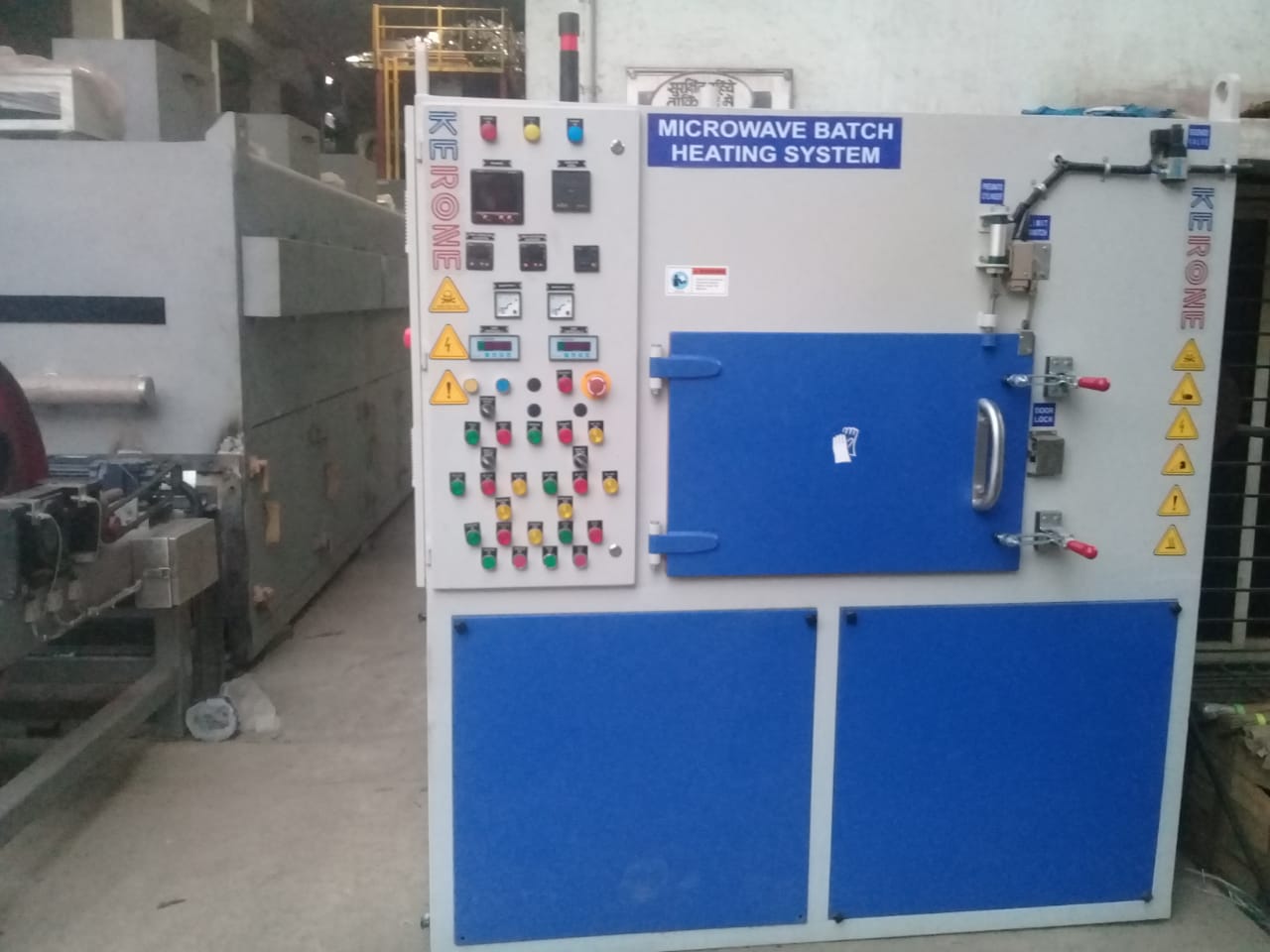
Microwave Heating Dryer
Click to view high-res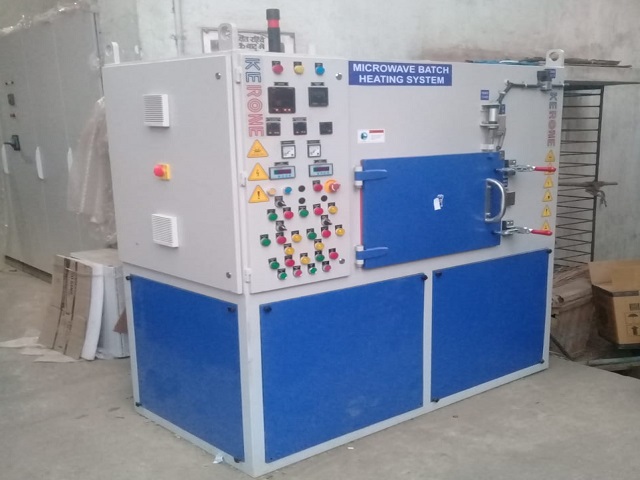
Microwave Heating Dryer
Click to view high-res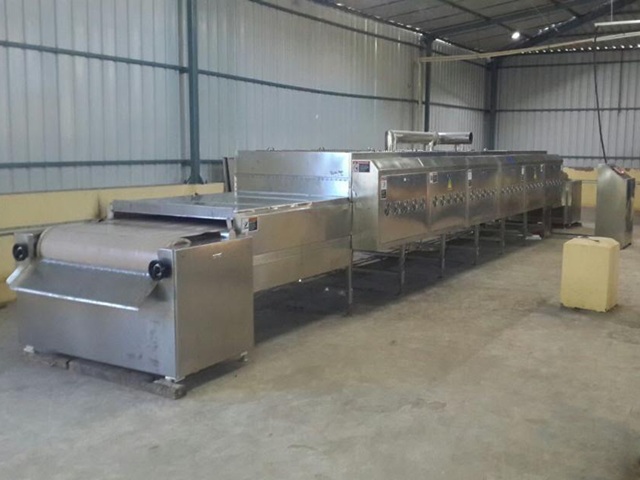
Microwave Heating Dryer
Click to view high-res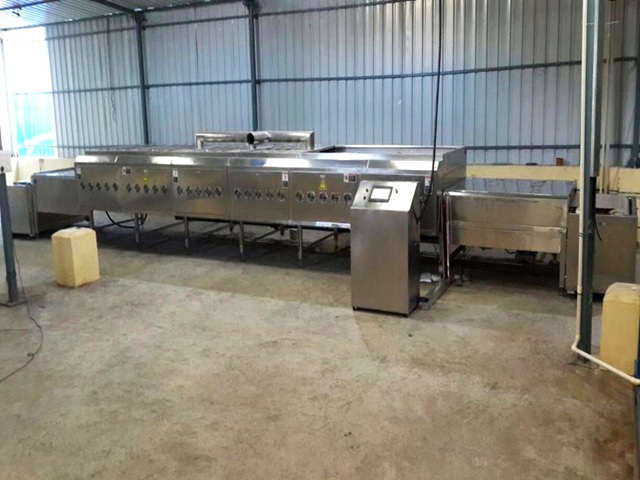
Microwave Heating Dryer
Click to view high-res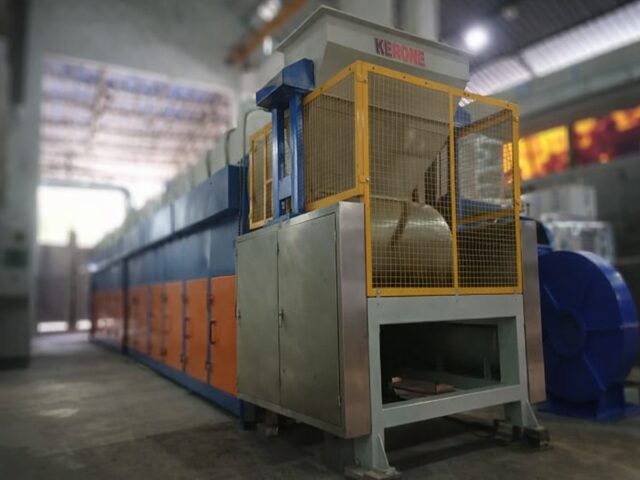
Microwave Heating Dryer
Click to view high-res
Microwave Heating Dryer
Click to view high-res
Microwave Heating Dryer
Click to view high-res
Microwave Heating Dryer
Click to view high-res50+ Years of Thermal Engineering Leadership.
Since 1976, Kerone Engineering Solutions has delivered over 5,000 custom-engineered thermal and process installations across 50+ countries. In technical collaboration with premier global institutions like CSIR-CEERI and University of Nottingham research partnerships, we design and manufacture high-efficiency machinery that minimizes production downtime and cuts operating expenses.
Unlike standard off-the-shelf equipment suppliers, Kerone operates a complete pilot-scale testing facility at our KRDC Ambernath center. We validate your exact raw material properties — determining moisture sorption isotherms, specific heat capacity, and dielectric behavior — before finalizing equipment sizing, ensuring zero risk during industrial scale-up.
Engineering precision, built into every system.
Energy-efficient Operation
Energy-efficient operation with optimized heat transfer.
Uniform Drying
Uniform drying with precise temperature control.
Suitable
Suitable for heat-sensitive and high-moisture materials.
Compact and Modular Design
Compact and modular design for easy integration
Low Maintenance
Low maintenance with automated monitoring systems
Customizable Parameters
Customizable parameters for speed, temperature, and moisture removal
Continuous or Batch Drying
Continuous or batch drying configuration options.
Enhanced Productivity
Enhanced productivity with shorter drying cycles
Powered by AI, Machine Learning & Smart IoT Integration
Modern industrial processing requires unprecedented thermal precision, energy efficiency, and operational agility. Kerone equips each system with high-speed industrial edge computing controllers, multi-spectral non-contact infrared pyrometry, and proprietary closed-loop machine learning algorithms that continuously analyze process parameters in real time.
The intelligent automation stack monitors dynamic changes in incoming material load, bed thickness, moisture content, and environmental factors. In response, our algorithms dynamically adjust heater power arrays, generator frequency, conveyor drive velocities, and exhaust dampers within milliseconds — entirely eliminating product burn, under-processing, or thermal hotspotting.
Seamlessly integrated with factory-wide SCADA and enterprise ERP architectures via native MQTT, OPC-UA, and Modbus TCP protocols, our systems deliver complete digital recipe control, remote diagnostics, predictive maintenance alerting, and tamper-evident batch logs compliant with global FDA 21 CFR Part 11 and cGMP standards.
Adaptive Heat Modulation
Neural algorithms detect material thermal variations in real time (<50ms response) and tune generator frequency and power arrays automatically.
IoT Cloud Telemetry
Continuous bidirectional telemetry stream via MQTT/OPC-UA protocols directly to centralized plant SCADA, MES, or mobile engineer dashboards.
Predictive Maintenance
Monitors magnetron cathode current, vibration frequency signatures, and differential filter pressure to schedule AMC maintenance before failures occur.
Quality & Batch Traceability
Automated digital recipe execution, multi-stage temperature ramp/soak curves, and cryptographically signed electronic batch logs compliant with 21 CFR Part 11.
Engineered for High-Value Industrial Sectors
Tailored thermal and process configurations across continuous manufacturing lines.
Food & Dairy Industry
Dehydration of fruits, vegetables, powders, and herbs.
Pharmaceutical
Drying of granules, extracts, and heat-sensitive compounds.
Chemical
Moisture removal from polymers, catalysts, and powders.
Textile
Controlled heating and finishing of fabrics.
Industrial
Efficient drying of ceramics, wood, and composites.
Configured to Your Process Window
Technical parameter envelopes across industrial manufacturing and engineering architectures.
| Technical Parameter | Feature Described on Website |
|---|---|
| Operating Frequencies | 915 MHz and 2450 MHz ISM frequency bands mentioned in product FAQs |
| Magnetron Sources Mentioned | Panasonic (Japan), IBF (Germany), or Hitachi (Japan) stated as available makes |
| Control Components Mentioned | Allen-Bradley PLC, HMI touchscreen, and PID indicator/controller |
| Chamber Material Mentioned | Stainless steel chamber construction (alloy grade not specified in source) |
| Safety Features Described | RF/MW choke provision and timer interlocks stated on website |
| Power Adjustment Described | Selectable variable power output up to 100% described in features |
| Configurations Described | Batch, semi-batch, continuous conveyorised, and tunnel designs listed as options |
Frequently Asked Questions
Engineering answers regarding equipment sizing, integration, and process performance.
A microwave heating dryer uses advanced microwave technology to remove moisture from materials efficiently.
It operates by applying controlled microwave energy to the material, ensuring uniform drying without overheating
They offer faster drying, energy savings, and suitability for heat-sensitive materials.
Common industries include food processing, pharmaceuticals, textiles, and chemicals.
Yes, Kerone provides fully customizable systems based on process and material requirements.
The design ensures minimal energy loss through optimized heat transfer and smart process control.
Routine inspection, cleaning, and monitoring ensure long-term performance and efficiency
Industrial microwave drying offers several key advantages over conventional hot air or conductive drying: volumetric heating (energy is absorbed within the material, not from the surface), faster drying rates (typically 3–10x faster), lower operating temperatures, reduced thermal gradients, and improved product quality. Kerone's industrial microwave dryers eliminate the need for pre-heating the chamber, resulting in near-instant startup. Energy efficiency is also higher because only the product, not the surrounding air is heated. These advantages are particularly significant for pharmaceutical, food, ceramic, and polymer applications.
Microwave drying is significantly more energy-efficient than hot air drying for most applications because energy is directly absorbed by water molecules rather than heating a large volume of air. Hot air drying requires heating the entire air volume in the dryer, leading to substantial heat losses. Microwave systems typically reduce energy consumption by 40–60% and drying time by 50–80% compared to conventional hot air systems. However, hot air drying remains cost-effective for continuous, large-volume commodity applications where capital investment is the primary constraint. Kerone offers hybrid systems combining both technologies for optimal results.
For food processing, the best microwave drying systems combine microwave energy with controlled air flow to balance rapid drying with product quality preservation. Kerone's food-grade microwave dryers feature stainless steel construction, hygienic design with no dead spots, CIP compatibility, and precise power modulation. They are ideal for snacks, nuts, spices, herbs, seafood, ready-to-eat meals, and instant food products. Kerone's systems are available in continuous conveyor and tunnel configurations for high-throughput operations and in batch chamber designs for smaller productions or R&D.
Because the microwave energy heats the water molecules directly, inside the material, instead of first heating the air around it. So, the moisture starts leaving from the inside out, not just from the surface.
No, that's actually one of its strengths. Since heating happens at a molecular level rather than through a hot surface, sensitive items like herbs, spices, or pharmaceutical granules stay far more evenly heated with less risk of hot spots.
Yes, since the microwaves penetrate through the material rather than depending on air contact, uneven shapes and thicknesses dry more evenly compared to convection drying.
Metal reflects microwaves and can cause arcing or damage to the equipment, so any metal content in the product or its packaging needs to be checked and accounted for before processing.
It depends on your production volume and material type. Batch systems suit smaller runs or R&D trials, while continuous conveyorised or tunnel types are better for steady, high-volume production.

Let’s Engineer the Right Process.
From application trials to full-scale production systems, our engineering team works with you to develop the right thermal processing solution for your material, throughput, and production requirements.