Overview of the Technology
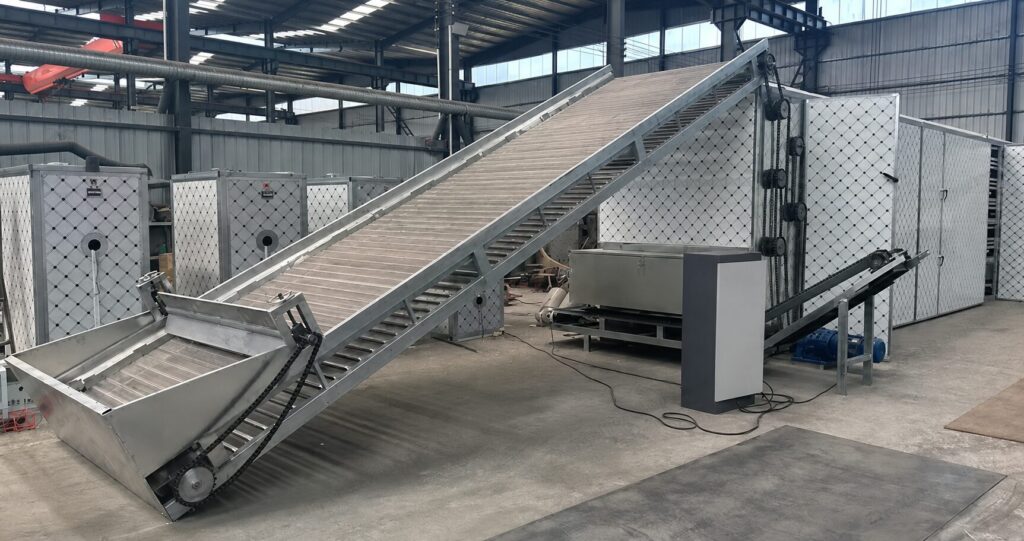
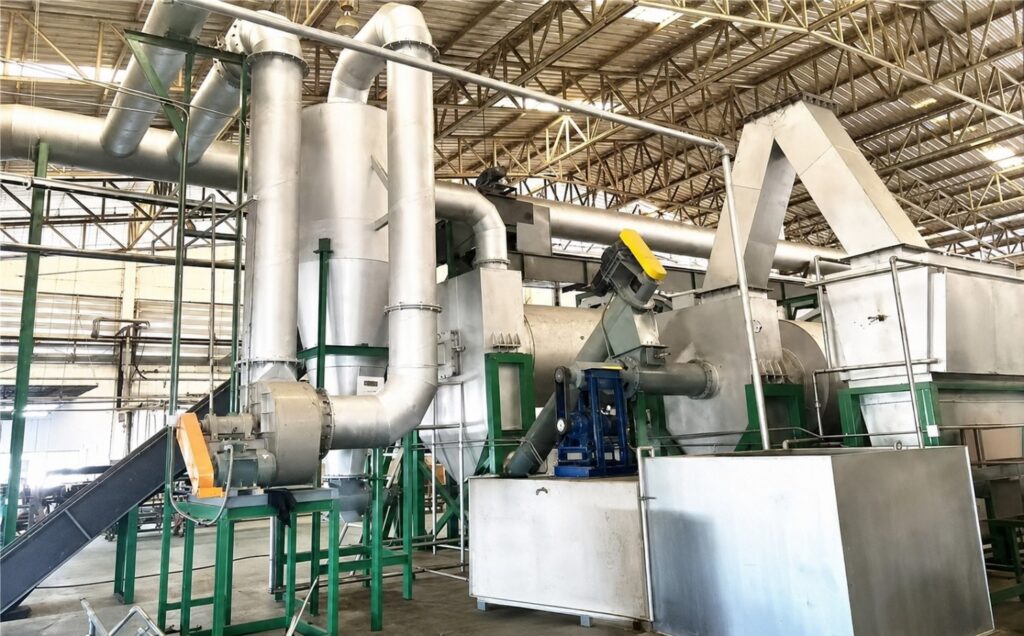
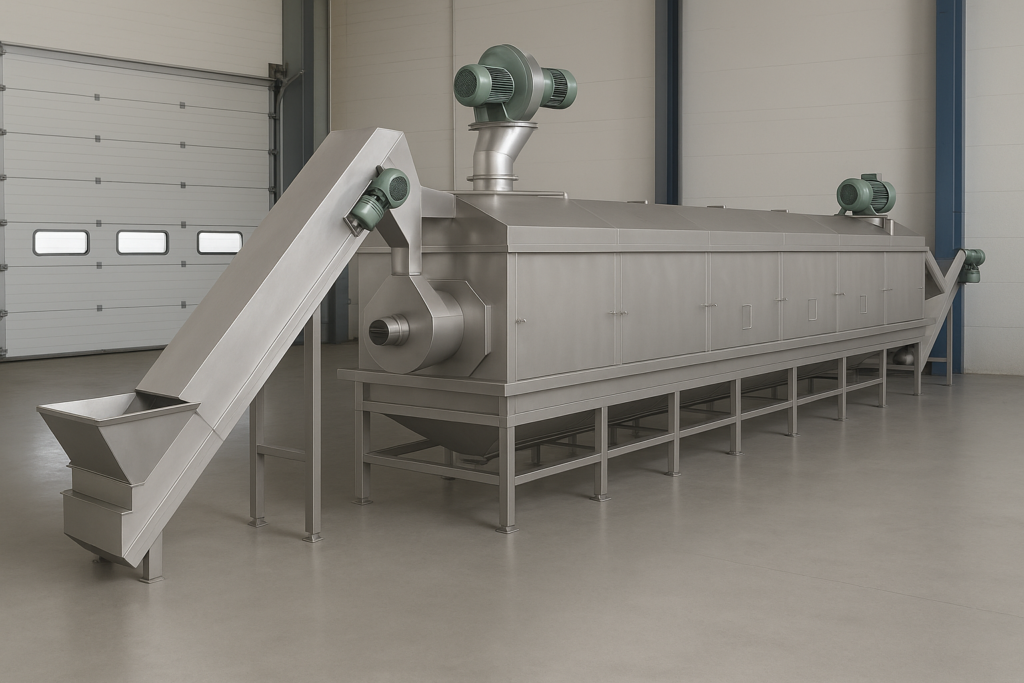
Industrial Dryer Manufacturing: Emerging Innovations, Market Trends, and Future Outlook The industrial dryer manufacturing industry is undergoing a revolutionary stage of operation due to the realization of sustainability, cost-cutting, and environmental regulation being the order of the day across the globe. The emphasis is moving toward cutting-edge technologies and creative process designs as a result This article explores the core engineering principles behind this technology, analyzing its operational parameters, efficiency indicators, and industrial application guidelines.
Key Engineering Concepts
To successfully integrate this technology into existing manufacturing lines, several critical parameters must be evaluated:
- Thermal Efficiency: Optimizing heat transfer interfaces to minimize fuel or electricity consumption.
- Process Automation: Implementing real-time PLC sensors to monitor moisture, velocity, and temperature thresholds dynamically.
- Material Compatibility: Selecting the correct construction materials (e.g., SS316, SS304) to handle corrosive or hazardous chemical environments.
"Continuous innovation in thermal processing technology allows modern factories to achieve high throughput rates while simultaneously reducing energy footprints by up to 30%."
Operational Guidelines & Safety
Operating high-capacity industrial equipment requires strict adherence to international machinery standards (CE, ASME, ATEX). Ensuring proper exhaust management, duct ventilation, and safety isolation valves is critical to prevent thermal overload, dust explosions, or equipment degradation over time.
Kerone Engineering Solutions provides customized designs, fabrication, and installation services tailored to the specific raw materials and production throughput requirements of each client.