The Growing Seaweed Market
Seaweed cultivation is expanding rapidly worldwide, driven by rising demand in food ingredients, biofuels, agricultural fertilizers, and bioplastics. However, seaweed harvested from the ocean contains up to 90% water content. To prevent immediate decay and prepare it for transport and milling, it must be dried efficiently. Choosing the right industrial drying technology is a critical decision that determines operational costs and final product quality.
The Contenders: Belt Dryers vs. Drum Dryers
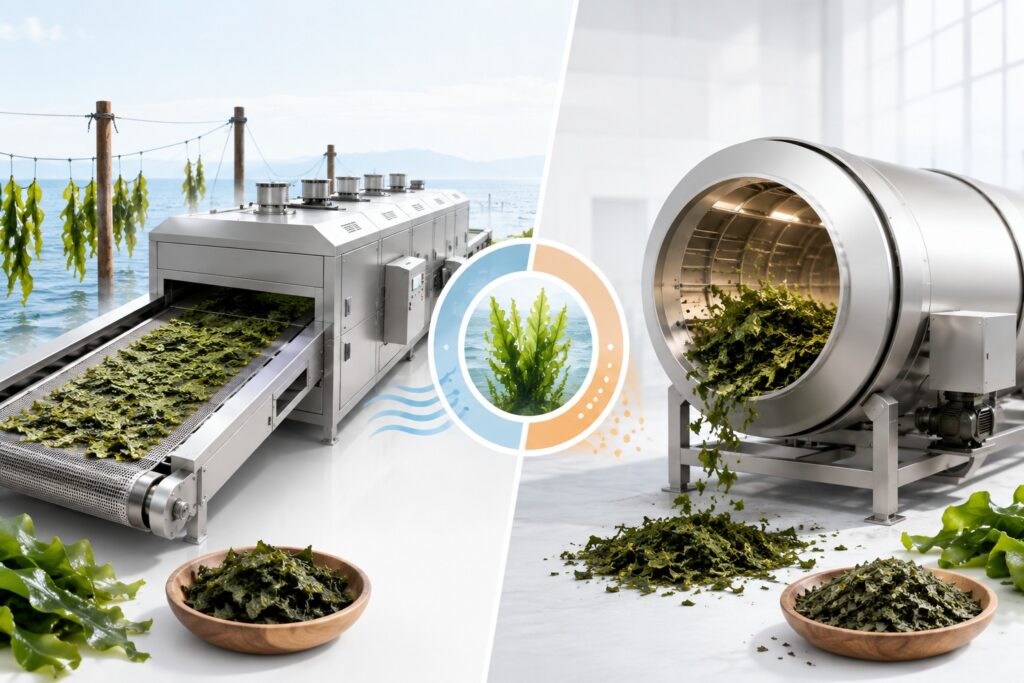
Two primary technologies dominate the seaweed processing landscape: industrial continuous belt dryers and rotary drum dryers. Each system has distinct thermal and mechanical profiles.
| Feature | Belt Dryer | Drum Dryer |
|---|---|---|
| Heat Exposure | Low-temperature, gentle convective air | High-temperature conductive contact |
| Nutrient Retention | Excellent (preserves vitamins & alginates) | Moderate (risk of thermal degradation) |
| Material Handling | Static bed prevents breakage | Tumbling action can cause fracturing |
| Energy Consumption | High air recirculation keeps efficiency high | High direct thermal transfer |
"For food-grade and pharmaceutical-grade seaweed products, preserving the sensitive biopolymers and vitamins is paramount. Convective belt dryers are highly favored for these applications."
Industrial Belt Drying Advantages
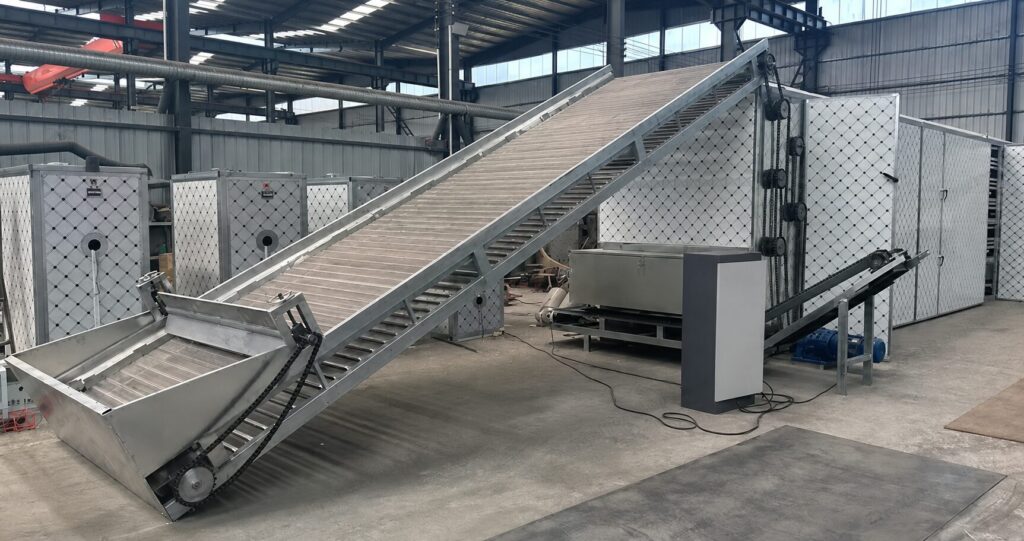
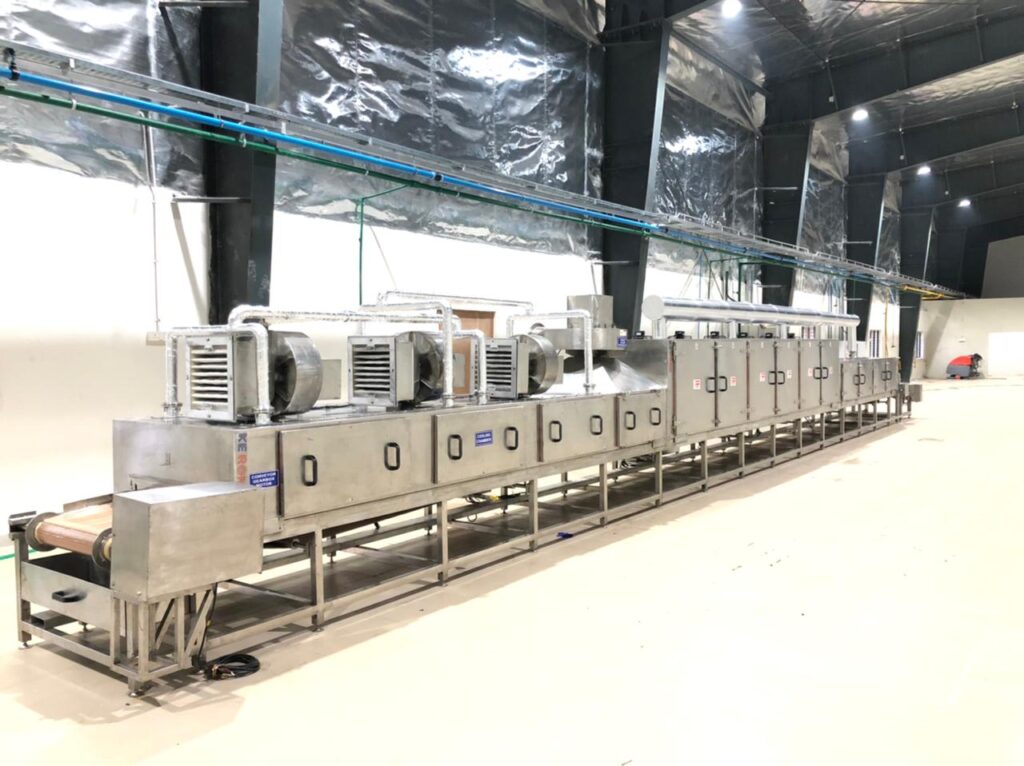
In a continuous belt dryer, seaweed is distributed uniformly on a perforated conveyor belt. Hot air is forced through the material bed from top to bottom and vice versa. Because the seaweed remains stationary on the belt, it does not suffer mechanical damage. Additionally, temperature zones can be independently controlled, allowing processors to use higher heat at the wet inlet and drop to low temperatures at the dry outlet to prevent scorching.
When to Choose Drum Dryers
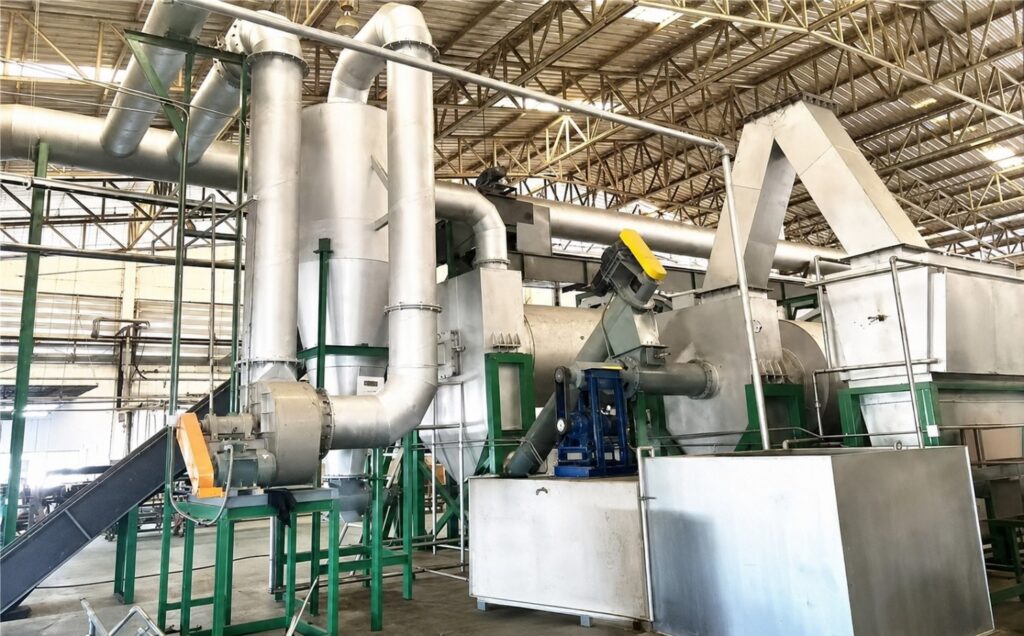
Drum dryers, on the other hand, are suitable for lower-value seaweeds destined for animal feed or fertilizer, where physical appearance and absolute nutrient integrity are less critical. The rotating drum offers high throughput and relatively low capital investment, but operates at higher temperatures which can degrade active ingredients like alginates.