Decarbonizing Heavy Industry
Industrial decarbonization is one of the most significant engineering challenges of our generation. As global regulations tighten and carbon taxes increase, manufacturing industries must transition away from fossil-fuel-reliant thermal systems. However, in energy-intensive sectors like chemical drying, biomass handling, and metal processing, switching energy sources directly impacts process dynamics and product specifications.
The Decarbonization Dilemma
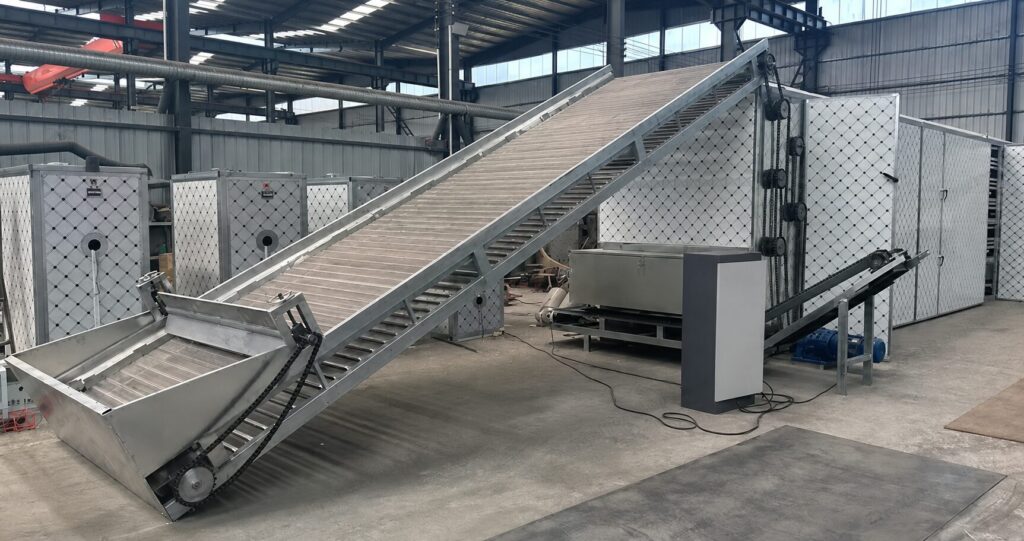
Replacing natural gas burners or coal-fired boilers with low-carbon alternatives changes heat transfer rates, air velocity, and temperature control. For example, transitioning from direct-fired gas heating to electric or biomass-based heating alters the heat flux profiles within industrial dryers. If not designed correctly, this can lead to uneven drying, lower thermal efficiency, or changes in product quality indicators like mechanical strength, density, or surface finish.
"True industrial decarbonization is not just about replacing fuel. It is about redesigning the thermal system to maintain high process performance and product consistency."
Electrification of Process Heat
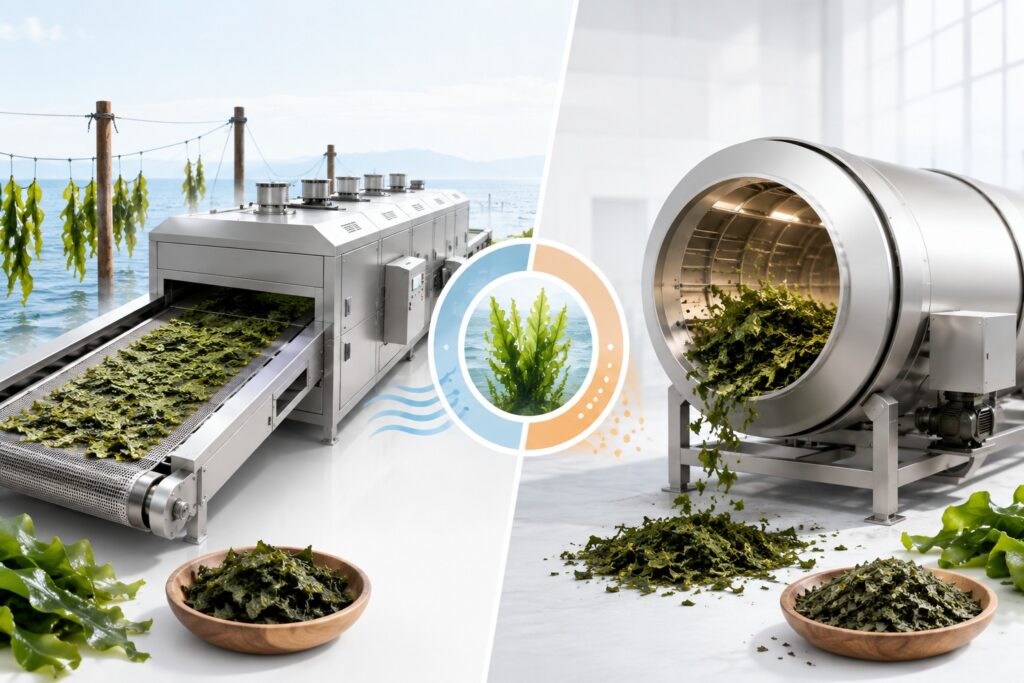
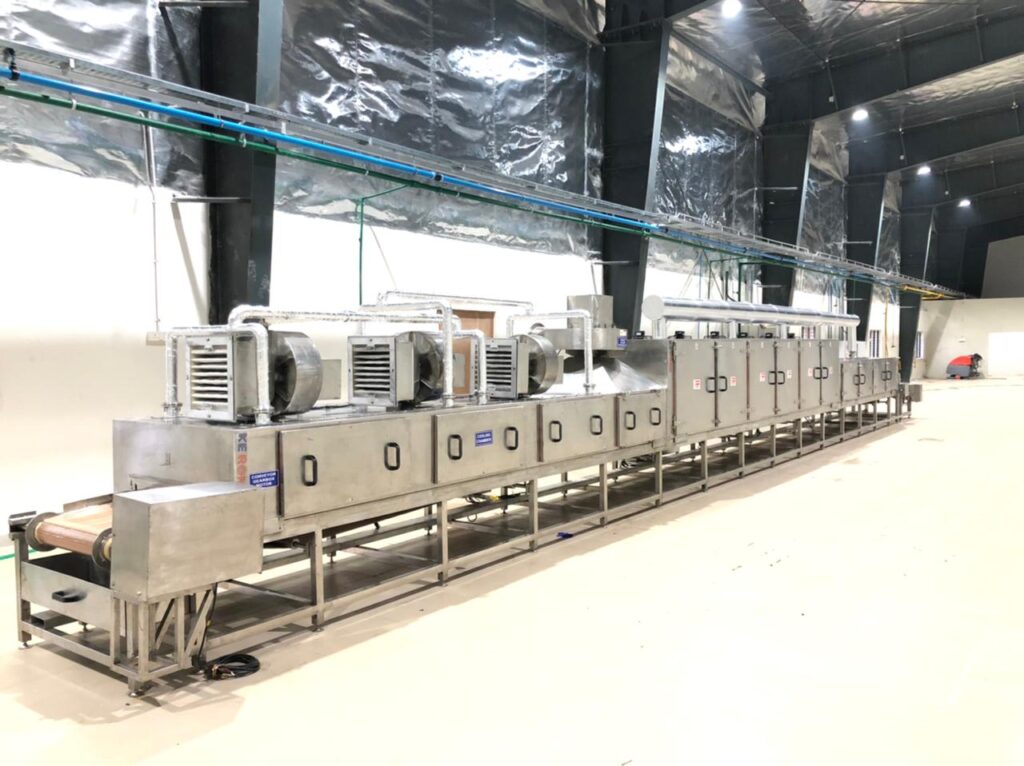
One of the most effective paths to decarbonization is the electrification of process heat. Technologies like Industrial Microwave Heating and Radio Frequency (RF) Dryers offer direct energy transfer to the material instead of heating the surrounding air. This results in:
- 90%+ Thermal Efficiency: Energy is deposited directly into the moisture molecules, drastically reducing thermal losses.
- Precise Temperature Control: Instantaneous start/stop capabilities eliminate thermal lag, preventing product overheating and waste.
- Zero Scope 1 Emissions: Eliminating fossil fuel combustion removes onsite carbon, nitrous oxides, and sulfur emissions.
Integrating Biochar and Pyrolysis
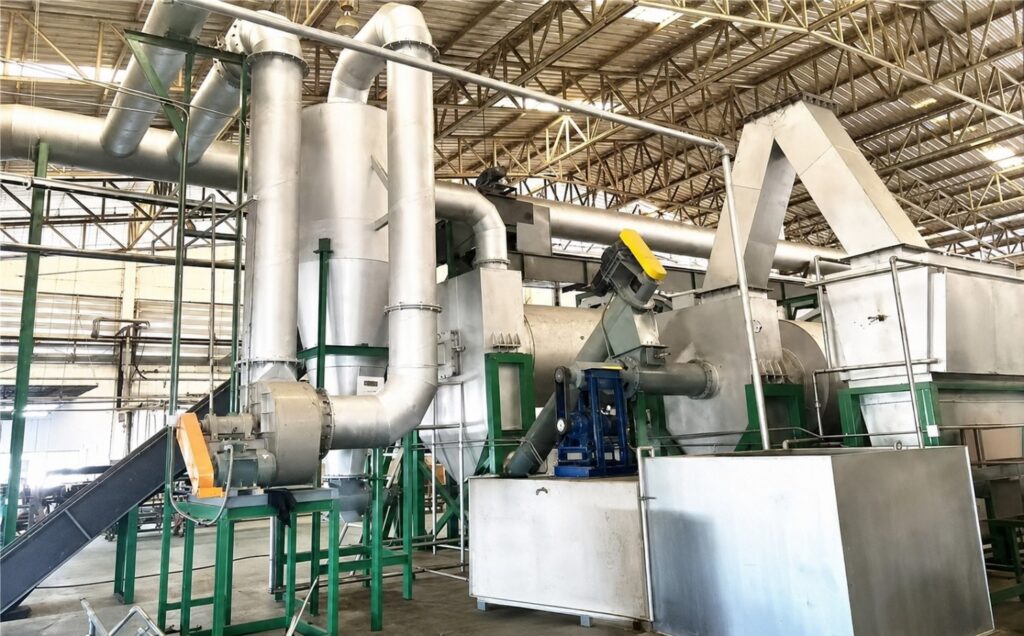
Another major strategy is utilizing pyrolysis systems to convert agricultural and industrial organic waste into biochar. Biochar plants act as carbon-negative systems, locking carbon into a stable solid form while producing clean syngas that can be looped back to power the processing facility. Kerone provides state-of-the-art rotary kiln pyrolysis reactors that achieve maximum carbon stabilization while maintaining stable process performance.