The Science of Food Spoilage
In modern industrial food processing, food preservation is a complex battle against chemical and biological degradation. Spoilage occurs when food items undergo physical, chemical, or microbial changes that make them unfit for human consumption. Controlling these factors is vital for food processors, manufacturers, and storage facility operators to maintain product quality, ensure food safety compliance, and protect profitability.
Primary Causes of Spoilage
Food spoilage is driven by several biological and environmental catalysts:
- Microbial Activity: The proliferation of bacteria, yeasts, and molds is the most common cause of spoilage. These organisms feed on sugars, proteins, and moisture in the food, producing waste products that alter taste, smell, and appearance.
- Enzymatic Browning: Natural enzymes inside raw foods continue to react after harvesting, resulting in changes in texture, color (e.g., sliced apples turning brown), and nutrient degradation.
- Oxidation: Exposure to air causes lipids and fats to oxidize, leading to rancid flavors and odors, particularly in high-fat foods.
- Moisture Inconsistency: Too much moisture encourages mold and bacteria, while too little moisture can lead to physical dehydration and loss of sensory appeal.
"Reducing food loss through efficient preservation is a primary pillar of sustainable food supply chains. Dehydration remains the oldest, most reliable, and energy-efficient method of storage."
Industrial Prevention Strategies
Modern food processing plants utilize advanced thermal technologies to eliminate or delay these spoilage factors. At the forefront of these strategies is precision industrial drying. By reducing the water activity (a_w) of food items below the threshold required for microbial respiration (typically < 0.60 a_w), manufacturers can extend shelf life from days to years.
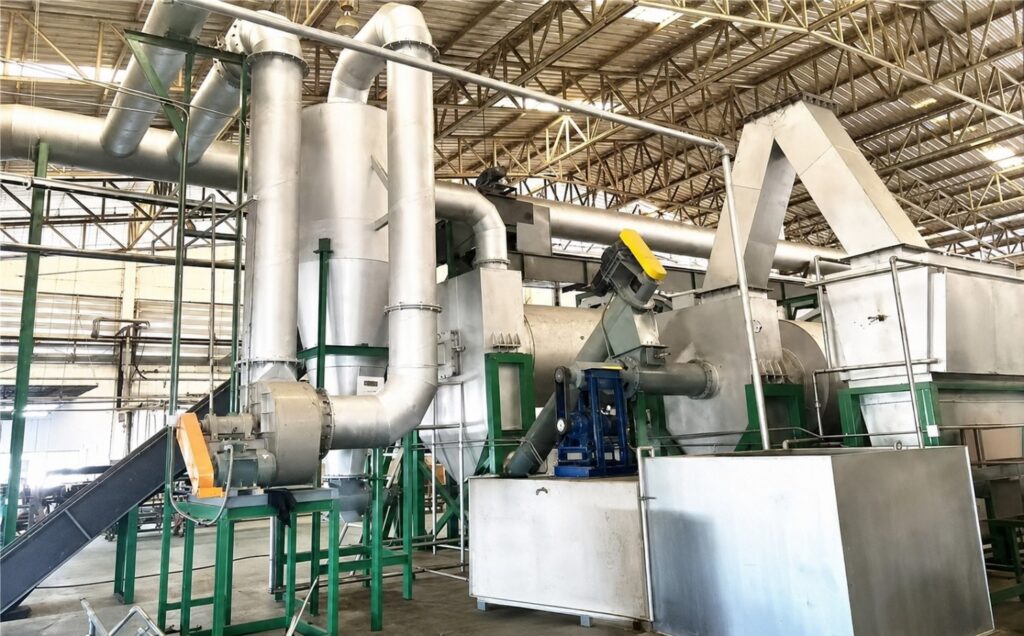
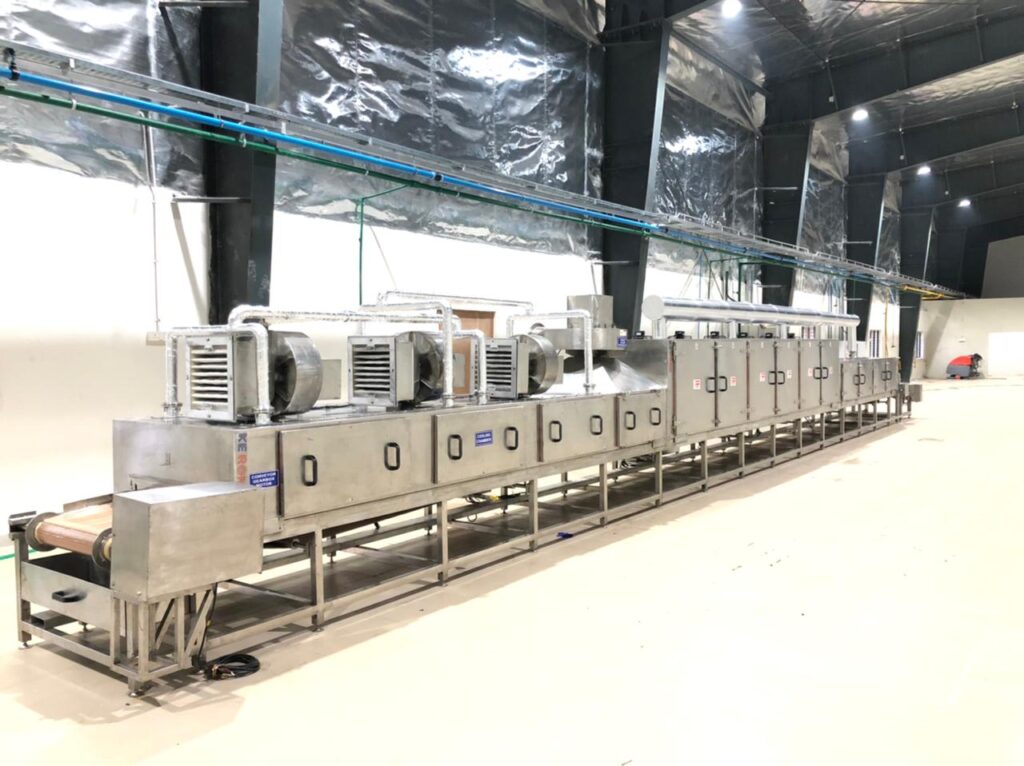
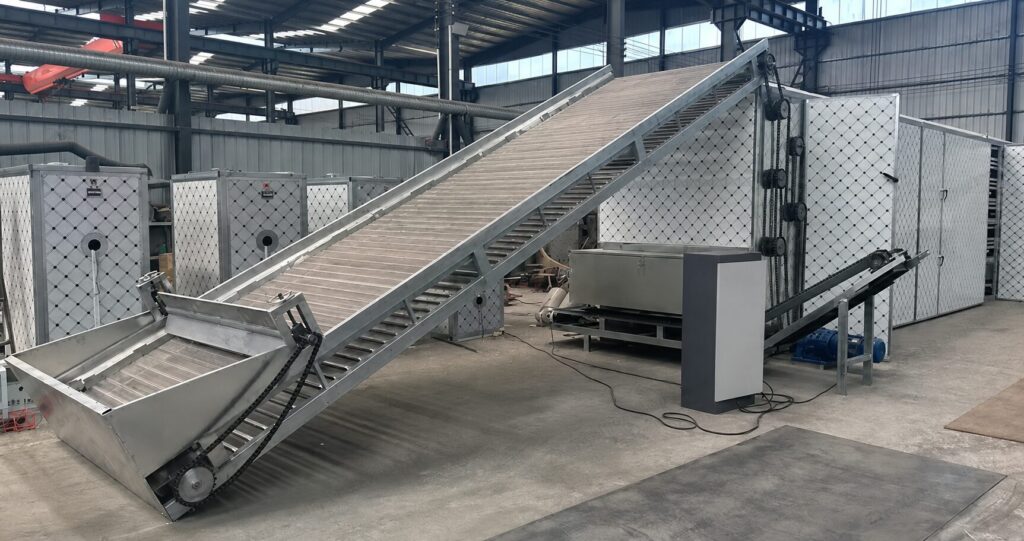
Kerone Engineering designs highly customized belt dryers, fluid bed dryers, and hot air systems that ensure uniform moisture reduction. Uniform drying is critical—any wet pockets within a bulk container can serve as micro-environments for mold growth, ruining entire shipments.
Thermal Processing and Inactivation
In addition to drying, controlled thermal treatment (such as pasteurization or blanching) is used to denature spoilage enzymes. Using precise temperature regulation, industries can destroy pathogen cell structures without degrading the vitamins, minerals, and flavor profiles of the product.